MENU

Bibliography Options Menu

The Electronic Scholarly Publishing Project: Providing world-wide, free access to classic scientific papers and other scholarly materials, since 1993.
More About: ESP | OUR CONTENT | THIS WEBSITE | WHAT'S NEW | WHAT'S HOT
ESP: PubMed Auto Bibliography 23 Oct 2026 at 01:59 Created:
Energetics and Mitochondrial Evolution
Mitochondria are the energy-producing "engines" that provide the power to drive eukaryotic cells. The energy output of hundreds, or thousands, of mitochondria allowed eukaryotic cells to increase in size 1000-fold, or more, over the size of prokaryotics cells. This increase in size allowed an escape from the constraints of low Reynolds numbers and, for the first time, life could function in a way where mechanism, and thus morphology, mattered. Evolution began to shape morphology, allowing the emergence of the multicellular eukaryotic biosphere — the visible living world.
Created with PubMed® Query: ( mitochondria AND evolution AND (energetics OR "energy metabolism") ) NOT pmcbook NOT ispreviousversion
Citations The Papers (from PubMed®)
RevDate: 2026-10-20
CmpDate: 2026-10-20
Mitochondrial genetic effects mediate the response to stress through development, but not adult metabolic rate in Drosophila melanogaster.
The Journal of experimental biology, 229(20):.
Energy expenditure is fundamental to physiology, behaviour, ecology and life history, yet the mechanisms that regulate metabolic rate remain poorly understood. At the cellular level, incompatibilities between the maternally inherited mitochondrial genome and the nuclear genome can impair energy production, signalling and gene expression, with potential to disrupt a wide range of physiological processes. However, how these often-subtle genomic mismatches influence whole-organism traits such as metabolic rate, activity and fitness remains unclear. Here, we generated mitonuclear-mismatched fly lines to test how early-life dietary and metabolic stress affect larval and adult physiology. Our results revealed sex- and line-specific physiological effects, with larval development, survival and female fertility strongly contingent on the haplotypes and treatment, while adult resting metabolic rate and activity were not influenced by mitochondrial haplotype, or by developmental stress.
Additional Links: PMID-42733965
Publisher:
PubMed:
Citation:
show bibtex listing
hide bibtex listing
@article {pmid42733965,
year = {2026},
author = {Chakraborty, A and Rodríguez, E and Bettinazzi, S and Stroila, S and Lane, N and Camus, MF},
title = {Mitochondrial genetic effects mediate the response to stress through development, but not adult metabolic rate in Drosophila melanogaster.},
journal = {The Journal of experimental biology},
volume = {229},
number = {20},
pages = {},
doi = {10.1242/jeb.253155},
pmid = {42733965},
issn = {1477-9145},
support = {BB/S003681/1//BBSRC/ ; //London Interdisciplinary Doctoral Programme/ ; //Research Experience Placement Award by the London Interdisciplinary Doctoral Programme/ ; BB/S003681/1/BB_/Biotechnology and Biological Sciences Research Council/United Kingdom ; //University College London/ ; NE/V014307/1//UK Research and Innovation/ ; NE/V014307/1//Natural Environment Research Council/ ; RPG-2023-198//Leverhulme Trust/ ; },
mesh = {Animals ; *Drosophila melanogaster/genetics/growth & development/physiology/metabolism ; Female ; *Stress, Physiological ; Male ; Larva/growth & development/genetics/physiology ; *Basal Metabolism ; *Mitochondria/genetics ; Haplotypes ; Energy Metabolism ; },
abstract = {Energy expenditure is fundamental to physiology, behaviour, ecology and life history, yet the mechanisms that regulate metabolic rate remain poorly understood. At the cellular level, incompatibilities between the maternally inherited mitochondrial genome and the nuclear genome can impair energy production, signalling and gene expression, with potential to disrupt a wide range of physiological processes. However, how these often-subtle genomic mismatches influence whole-organism traits such as metabolic rate, activity and fitness remains unclear. Here, we generated mitonuclear-mismatched fly lines to test how early-life dietary and metabolic stress affect larval and adult physiology. Our results revealed sex- and line-specific physiological effects, with larval development, survival and female fertility strongly contingent on the haplotypes and treatment, while adult resting metabolic rate and activity were not influenced by mitochondrial haplotype, or by developmental stress.},
}
MeSH Terms:
show MeSH Terms
hide MeSH Terms
Animals
*Drosophila melanogaster/genetics/growth & development/physiology/metabolism
Female
*Stress, Physiological
Male
Larva/growth & development/genetics/physiology
*Basal Metabolism
*Mitochondria/genetics
Haplotypes
Energy Metabolism
RevDate: 2026-10-19
CmpDate: 2026-10-19
High-throughput mitochondrial aerobic metabolism measurement: assessing a plate-reader approach using avian blood cells.
Biology open, 15(10):.
Mitochondria power biological processes, driving interest in measuring mitochondrial aerobic metabolism to understand individual variation in performance and fitness. High-resolution respirometry (HRR) is the gold standard because of its sensitivity and versatility, but it is time-consuming and has low throughput, limiting its use in large-scale studies. We assessed the validity of a high-throughput, fluorescence-based plate reader by comparing it to HRR. In a first experiment, we measured mitochondrial respiration in blood cells from two bird species (quails and chickens) across three temperatures (hypothermia, normothermia, and hyperthermia). The two methods were moderately correlated and revealed similar species effects; however, temperature effects differed between approaches, particularly under hyperthermic conditions, indicating that the plate-reader approach is best suited for stable, normothermic conditions. In a second experiment on sex differences in quails at normothermia, the two methods agreed quantitatively for proton leak and oxidative control efficiency and qualitatively for oxidative phosphorylation, although the plate-reader estimate was marginally significant (P=0.060 versus P=0.046 for HRR). The plate reader's main limitation is its lower sensitivity and greater measurement error, which could be offset by increasing sample sizes. Following protocol optimisation for each study system, this approach may offer a useful high-throughput complement to HRR for studies prioritising larger sample sizes.
Additional Links: PMID-42803112
Publisher:
PubMed:
Citation:
show bibtex listing
hide bibtex listing
@article {pmid42803112,
year = {2026},
author = {Hadjadji, C and Ohse, M and Stier, A and Bize, P},
title = {High-throughput mitochondrial aerobic metabolism measurement: assessing a plate-reader approach using avian blood cells.},
journal = {Biology open},
volume = {15},
number = {10},
pages = {},
doi = {10.1242/bio.062712},
pmid = {42803112},
issn = {2046-6390},
support = {212971//Schweizerischer Nationalfonds zur Furderung der Wissenschaftlichen Forschung/ ; //Centre National de la Recherche Scientifique/ ; 212971/SNSF_/Swiss National Science Foundation/Switzerland ; },
mesh = {Animals ; *Mitochondria/metabolism ; Oxidative Phosphorylation ; *Blood Cells/metabolism ; Female ; *High-Throughput Screening Assays/methods ; Male ; Cell Respiration ; *Birds ; *Energy Metabolism ; Chickens ; Aerobiosis ; Oxygen Consumption ; Temperature ; },
abstract = {Mitochondria power biological processes, driving interest in measuring mitochondrial aerobic metabolism to understand individual variation in performance and fitness. High-resolution respirometry (HRR) is the gold standard because of its sensitivity and versatility, but it is time-consuming and has low throughput, limiting its use in large-scale studies. We assessed the validity of a high-throughput, fluorescence-based plate reader by comparing it to HRR. In a first experiment, we measured mitochondrial respiration in blood cells from two bird species (quails and chickens) across three temperatures (hypothermia, normothermia, and hyperthermia). The two methods were moderately correlated and revealed similar species effects; however, temperature effects differed between approaches, particularly under hyperthermic conditions, indicating that the plate-reader approach is best suited for stable, normothermic conditions. In a second experiment on sex differences in quails at normothermia, the two methods agreed quantitatively for proton leak and oxidative control efficiency and qualitatively for oxidative phosphorylation, although the plate-reader estimate was marginally significant (P=0.060 versus P=0.046 for HRR). The plate reader's main limitation is its lower sensitivity and greater measurement error, which could be offset by increasing sample sizes. Following protocol optimisation for each study system, this approach may offer a useful high-throughput complement to HRR for studies prioritising larger sample sizes.},
}
MeSH Terms:
show MeSH Terms
hide MeSH Terms
Animals
*Mitochondria/metabolism
Oxidative Phosphorylation
*Blood Cells/metabolism
Female
*High-Throughput Screening Assays/methods
Male
Cell Respiration
*Birds
*Energy Metabolism
Chickens
Aerobiosis
Oxygen Consumption
Temperature
RevDate: 2026-10-16
CmpDate: 2026-10-16
Mito-Nuclear Interactions in Livestock: Implications for Adaptation, Productivity, and Precision Breeding.
International journal of molecular sciences, 27(19): pii:ijms27198921.
Mitochondria are central regulators of cellular energy metabolism, stress responses, and physiological adaptation, with their functions depending on the coordinated interaction between mitochondrial DNA (mtDNA) and nuclear DNA (nDNA). These mito-nuclear interactions are essential for maintaining oxidative phosphorylation (OXPHOS), cellular homeostasis, and overall organismal fitness. Increasing evidence suggests that mito-nuclear compatibility influences a wide range of economically important traits in livestock, including growth, milk production, reproduction, feed efficiency, disease resistance, and environmental adaptation. This review provides a comprehensive overview of mitochondrial and nuclear genome organization, mechanisms of mito-nuclear communication, and their biological significance in livestock species. Key mechanisms discussed include mito-nuclear co-evolution, anterograde and retrograde signaling, reactive oxygen species (ROS)-mediated signaling, epigenetic regulation, mitophagy, mitochondrial biogenesis, and mito-nuclear incompatibility. The review further highlights the role of mito-nuclear interactions in adaptation to heat stress, high-altitude environments, metabolic challenges, and disease resistance, as well as their influence on productivity traits such as milk yield, growth performance, fertility, reproductive efficiency, and longevity. Advances in genomic and multi-omics technologies, including genome-wide association studies (GWAS), mitogenomics, transcriptomics, proteomics, metabolomics, single-cell omics, network biology, and systems genomics, have greatly enhanced our understanding of mitochondrial function and its contribution to complex traits. Furthermore, integrating mitochondrial information into genomic selection, marker-assisted breeding, climate-smart livestock improvement, and precision livestock farming (PLF) offers new opportunities to enhance productivity, resilience, and sustainability. Understanding the genetic and functional basis of mito-nuclear interactions will facilitate the development of next-generation precision breeding strategies aimed at improving livestock performance under changing environmental conditions.
Additional Links: PMID-42884163
Publisher:
PubMed:
Citation:
show bibtex listing
hide bibtex listing
@article {pmid42884163,
year = {2026},
author = {Panigrahi, M and Rajawat, D and Upadhyay, A and Devadharshini, K and Ranjith, G and Rath, PK and Verma, SK and Nayak, SS},
title = {Mito-Nuclear Interactions in Livestock: Implications for Adaptation, Productivity, and Precision Breeding.},
journal = {International journal of molecular sciences},
volume = {27},
number = {19},
pages = {},
doi = {10.3390/ijms27198921},
pmid = {42884163},
issn = {1422-0067},
mesh = {Animals ; *Livestock/genetics/physiology ; *Mitochondria/genetics/metabolism ; *Adaptation, Physiological/genetics ; *Breeding ; *Cell Nucleus/genetics/metabolism ; DNA, Mitochondrial/genetics ; },
abstract = {Mitochondria are central regulators of cellular energy metabolism, stress responses, and physiological adaptation, with their functions depending on the coordinated interaction between mitochondrial DNA (mtDNA) and nuclear DNA (nDNA). These mito-nuclear interactions are essential for maintaining oxidative phosphorylation (OXPHOS), cellular homeostasis, and overall organismal fitness. Increasing evidence suggests that mito-nuclear compatibility influences a wide range of economically important traits in livestock, including growth, milk production, reproduction, feed efficiency, disease resistance, and environmental adaptation. This review provides a comprehensive overview of mitochondrial and nuclear genome organization, mechanisms of mito-nuclear communication, and their biological significance in livestock species. Key mechanisms discussed include mito-nuclear co-evolution, anterograde and retrograde signaling, reactive oxygen species (ROS)-mediated signaling, epigenetic regulation, mitophagy, mitochondrial biogenesis, and mito-nuclear incompatibility. The review further highlights the role of mito-nuclear interactions in adaptation to heat stress, high-altitude environments, metabolic challenges, and disease resistance, as well as their influence on productivity traits such as milk yield, growth performance, fertility, reproductive efficiency, and longevity. Advances in genomic and multi-omics technologies, including genome-wide association studies (GWAS), mitogenomics, transcriptomics, proteomics, metabolomics, single-cell omics, network biology, and systems genomics, have greatly enhanced our understanding of mitochondrial function and its contribution to complex traits. Furthermore, integrating mitochondrial information into genomic selection, marker-assisted breeding, climate-smart livestock improvement, and precision livestock farming (PLF) offers new opportunities to enhance productivity, resilience, and sustainability. Understanding the genetic and functional basis of mito-nuclear interactions will facilitate the development of next-generation precision breeding strategies aimed at improving livestock performance under changing environmental conditions.},
}
MeSH Terms:
show MeSH Terms
hide MeSH Terms
Animals
*Livestock/genetics/physiology
*Mitochondria/genetics/metabolism
*Adaptation, Physiological/genetics
*Breeding
*Cell Nucleus/genetics/metabolism
DNA, Mitochondrial/genetics
RevDate: 2026-10-13
Mitochondrial Psychobiology.
Neuroscience and biobehavioral reviews pii:S0149-7634(26)00494-X [Epub ahead of print].
A field that uses mitochondria to unify biological and psychological sciences and to better understand the basis of health has emerged-Mitochondrial Psychobiology. Mitochondria are the body's cellular hubs for energy transformation and signaling. Mitochondria regulate functions as diverse as metabolism, gene expression, and stress adaptation; consequently, their dysregulation is linked to most chronic illnesses and aging. Here, we propose that mitochondria provide a mechanistic bridge between body and the measurable functions of the mind, including perception, cognition, emotion, and behavior. From this perspective, mitochondria provide a scientifically tractable interface through which bioenergetic processes relate to subjective experiences and behaviors. We outline foundational principles for Mitochondrial Psychobiology, discuss the key gaps that the field needs to address to advance our understanding of mind-mitochondria relationships across the lifecourse, and review emerging approaches to probe the mind-mitochondria connection across levels. This stimulating scientific challenge is a unique opportunity to train the next generation of interdisciplinary scientists, resolve conceptual and technical challenges spanning temporal and spatial scales, and develop a more accurate, holistic model of health. Rooted in general energetic principles, mitochondrial psychobiology is poised to productively steer biomedicine over the coming decades.
Additional Links: PMID-42869317
Publisher:
PubMed:
Citation:
show bibtex listing
hide bibtex listing
@article {pmid42869317,
year = {2026},
author = {Andreazza, AC and Behnke, A and Bolanos, JP and Juan-Sanz, J and Epel, E and Evans, MK and Barrett, LF and Gyllenhammer, LE and Hirabayashi, Y and Hirano, M and Hollis, F and Kelly, DP and Kempes, C and Kolassa, IT and Lane, N and Lobo, MK and Mujica-Parodi, LR and O'Donovan, A and Ongur, D and Picard, M and Pressman, SD and Sandi, C and Shirihai, O and Trumpff, C and Oudenhove, LV and Wager, TD},
title = {Mitochondrial Psychobiology.},
journal = {Neuroscience and biobehavioral reviews},
volume = {},
number = {},
pages = {107036},
doi = {10.1016/j.neubiorev.2026.107036},
pmid = {42869317},
issn = {1873-7528},
abstract = {A field that uses mitochondria to unify biological and psychological sciences and to better understand the basis of health has emerged-Mitochondrial Psychobiology. Mitochondria are the body's cellular hubs for energy transformation and signaling. Mitochondria regulate functions as diverse as metabolism, gene expression, and stress adaptation; consequently, their dysregulation is linked to most chronic illnesses and aging. Here, we propose that mitochondria provide a mechanistic bridge between body and the measurable functions of the mind, including perception, cognition, emotion, and behavior. From this perspective, mitochondria provide a scientifically tractable interface through which bioenergetic processes relate to subjective experiences and behaviors. We outline foundational principles for Mitochondrial Psychobiology, discuss the key gaps that the field needs to address to advance our understanding of mind-mitochondria relationships across the lifecourse, and review emerging approaches to probe the mind-mitochondria connection across levels. This stimulating scientific challenge is a unique opportunity to train the next generation of interdisciplinary scientists, resolve conceptual and technical challenges spanning temporal and spatial scales, and develop a more accurate, holistic model of health. Rooted in general energetic principles, mitochondrial psychobiology is poised to productively steer biomedicine over the coming decades.},
}
RevDate: 2026-10-07
Mitochondria-associated ferroptosis in ischemic stroke: Pathophysiological evolution, interorganelle crosstalk, and therapeutic targeting.
Pharmacological research pii:S1043-6618(26)01577-X [Epub ahead of print].
Ischemic stroke (IS) results from an acute interruption of cerebral blood flow and the ensuing collapse of energy metabolism. Although vascular recanalization can salvage the ischemic penumbra, its overall benefit remains constrained by a narrow therapeutic window and reperfusion injury. Ferroptosis, an iron-dependent form of regulated cell death driven by lipid peroxidation, contributes to neuronal injury after IS and can amplify ischemia/reperfusion injury. By integrating energy metabolism, iron homeostasis, and redox balance, mitochondria can shape ferroptosis susceptibility within the energy-depleted, iron-dysregulated, and oxidatively stressed ischemic brain. However, most studies have examined iron metabolism and lipid peroxidation at the whole-cell level, leaving the temporal and interorganelle dimensions of mitochondrial regulation of ferroptosis insufficiently integrated. Here, we organize mitochondria-associated ferroptosis across the pathological course of IS, from metabolic reprogramming and substrate accumulation during ischemia to the reverse electron transport-associated reactive oxygen species burst during early reperfusion and subsequent disruption of mitochondrial quality control. We further examine mitochondrial crosstalk with the endoplasmic reticulum, lysosomes, lipid droplets, and nucleus, compare ferroptosis susceptibility across neurovascular unit cell populations, and map these mechanisms onto pharmacological interventions and mechanistically plausible therapeutic windows. Finally, we assess barriers to the clinical translation of mitochondria-targeted therapies and provide a stage-resolved framework for developing neuroprotective strategies in IS.
Additional Links: PMID-42843676
Publisher:
PubMed:
Citation:
show bibtex listing
hide bibtex listing
@article {pmid42843676,
year = {2026},
author = {Zhang, M and Cai, Y and Zeng, Q and Yi, Y and Liu, J and Lei, F and Huang, R and Cai, Z and Chen, Y and Deng, Y},
title = {Mitochondria-associated ferroptosis in ischemic stroke: Pathophysiological evolution, interorganelle crosstalk, and therapeutic targeting.},
journal = {Pharmacological research},
volume = {},
number = {},
pages = {109662},
doi = {10.1016/j.phrs.2026.109662},
pmid = {42843676},
issn = {1096-1186},
abstract = {Ischemic stroke (IS) results from an acute interruption of cerebral blood flow and the ensuing collapse of energy metabolism. Although vascular recanalization can salvage the ischemic penumbra, its overall benefit remains constrained by a narrow therapeutic window and reperfusion injury. Ferroptosis, an iron-dependent form of regulated cell death driven by lipid peroxidation, contributes to neuronal injury after IS and can amplify ischemia/reperfusion injury. By integrating energy metabolism, iron homeostasis, and redox balance, mitochondria can shape ferroptosis susceptibility within the energy-depleted, iron-dysregulated, and oxidatively stressed ischemic brain. However, most studies have examined iron metabolism and lipid peroxidation at the whole-cell level, leaving the temporal and interorganelle dimensions of mitochondrial regulation of ferroptosis insufficiently integrated. Here, we organize mitochondria-associated ferroptosis across the pathological course of IS, from metabolic reprogramming and substrate accumulation during ischemia to the reverse electron transport-associated reactive oxygen species burst during early reperfusion and subsequent disruption of mitochondrial quality control. We further examine mitochondrial crosstalk with the endoplasmic reticulum, lysosomes, lipid droplets, and nucleus, compare ferroptosis susceptibility across neurovascular unit cell populations, and map these mechanisms onto pharmacological interventions and mechanistically plausible therapeutic windows. Finally, we assess barriers to the clinical translation of mitochondria-targeted therapies and provide a stage-resolved framework for developing neuroprotective strategies in IS.},
}
RevDate: 2026-10-05
CmpDate: 2026-10-05
Energy constraint on human health.
Trends in endocrinology and metabolism: TEM, 37(10):927-947.
Evolved constraints to human energy transformation force the body-brain system to operate an economy of energy. To survive and thrive, an organism's finite internal energy resources must be dynamically reallocated, forcing trade-offs from organelle to organism. Building on an energy trade-off framework integrating life history theory and cellular biology, we propose that energy trade-offs occur between three main classes of processes relevant to health: (i) vital, (ii) stress, and (iii) growth, maintenance, and repair (GMR). Competing demands for these processes exist within a hierarchy of energy needs where more 'urgent' vital- and stress-related functions are prioritized by suppressing longevity-promoting growth, maintenance, and repair processes. The energy constraint model of human health provides an energy-based framework to address health/disease dynamics across the lifespan.
Additional Links: PMID-42025458
PubMed:
Citation:
show bibtex listing
hide bibtex listing
@article {pmid42025458,
year = {2026},
author = {Behnke, A and Shaulson, E and Pontzer, H and Kempes, CP and Picard, M},
title = {Energy constraint on human health.},
journal = {Trends in endocrinology and metabolism: TEM},
volume = {37},
number = {10},
pages = {927-947},
pmid = {42025458},
issn = {1879-3061},
support = {R01 AG076821/AG/NIA NIH HHS/United States ; R01 MH122706/MH/NIMH NIH HHS/United States ; },
mesh = {Humans ; *Energy Metabolism/physiology ; Aging/physiology/metabolism ; Longevity/physiology ; Mitochondria/metabolism ; Animals ; Stress, Physiological/physiology ; },
abstract = {Evolved constraints to human energy transformation force the body-brain system to operate an economy of energy. To survive and thrive, an organism's finite internal energy resources must be dynamically reallocated, forcing trade-offs from organelle to organism. Building on an energy trade-off framework integrating life history theory and cellular biology, we propose that energy trade-offs occur between three main classes of processes relevant to health: (i) vital, (ii) stress, and (iii) growth, maintenance, and repair (GMR). Competing demands for these processes exist within a hierarchy of energy needs where more 'urgent' vital- and stress-related functions are prioritized by suppressing longevity-promoting growth, maintenance, and repair processes. The energy constraint model of human health provides an energy-based framework to address health/disease dynamics across the lifespan.},
}
MeSH Terms:
show MeSH Terms
hide MeSH Terms
Humans
*Energy Metabolism/physiology
Aging/physiology/metabolism
Longevity/physiology
Mitochondria/metabolism
Animals
Stress, Physiological/physiology
RevDate: 2026-10-01
CmpDate: 2026-10-01
Beyond Kleiber's Law: Variation and Mechanisms of Metabolic Scaling.
Annual review of cell and developmental biology, 42(1):59-82.
The scaling relationship between metabolic rate and body mass is a foundational principle in biology that links physiology, ecology, and evolution. From early empirical studies-most notably Kleiber's observation of 3/4 power law scaling-to contemporary theoretical frameworks, decades of research have sought to explain why organismal metabolic rate increases more slowly than body mass. This review examines variation in scaling exponents across the tree of life and explores how cellular features, including cell size, mitochondrial dynamics, and energy storage, shape whole-organism metabolism. We describe how dynamic metabolic rates during embryonic development reveal patterns of energy use during growth, while deviations in metabolic scaling across species and disease states indicate how biological systems balance energy constraints with adaptive flexibility. Together, these insights position cells as the critical interface linking molecular bioenergetics to organismal function, evolution, and ecology.
Additional Links: PMID-42154823
Publisher:
PubMed:
Citation:
show bibtex listing
hide bibtex listing
@article {pmid42154823,
year = {2026},
author = {Piñeros, L and Heald, R},
title = {Beyond Kleiber's Law: Variation and Mechanisms of Metabolic Scaling.},
journal = {Annual review of cell and developmental biology},
volume = {42},
number = {1},
pages = {59-82},
doi = {10.1146/annurev-cellbio-101323-015244},
pmid = {42154823},
issn = {1530-8995},
mesh = {Animals ; *Energy Metabolism/physiology ; Humans ; Biological Evolution ; Models, Biological ; Mitochondrial Dynamics ; Mitochondria/metabolism ; Cell Size ; },
abstract = {The scaling relationship between metabolic rate and body mass is a foundational principle in biology that links physiology, ecology, and evolution. From early empirical studies-most notably Kleiber's observation of 3/4 power law scaling-to contemporary theoretical frameworks, decades of research have sought to explain why organismal metabolic rate increases more slowly than body mass. This review examines variation in scaling exponents across the tree of life and explores how cellular features, including cell size, mitochondrial dynamics, and energy storage, shape whole-organism metabolism. We describe how dynamic metabolic rates during embryonic development reveal patterns of energy use during growth, while deviations in metabolic scaling across species and disease states indicate how biological systems balance energy constraints with adaptive flexibility. Together, these insights position cells as the critical interface linking molecular bioenergetics to organismal function, evolution, and ecology.},
}
MeSH Terms:
show MeSH Terms
hide MeSH Terms
Animals
*Energy Metabolism/physiology
Humans
Biological Evolution
Models, Biological
Mitochondrial Dynamics
Mitochondria/metabolism
Cell Size
RevDate: 2026-09-28
Molas have mighty mitochondria: intensified purifying selection on mtDNA despite presumed "low-energy" lifestyles in ocean sunfishes (family Molidae).
Evolution; international journal of organic evolution pii:8842083 [Epub ahead of print].
Ocean sunfish (family Molidae) are often perceived as "low-energy" drifters composed largely of connective tissue with noticeably missing fins and even cited as "mistakes" of natural selection. Because locomotory capacity has been identified as a driver of evolution in animal mitochondrial genomes (mtDNA), ocean sunfish are expected to show signatures of relaxed selection on mtDNA compared to closely related, more energetic species. Contrary to expectations, ocean sunfish showed lower dN/dS ratios (the ratio of non-synonymous to synonymous substitution rates) in all mitochondrial-encoded genes and further analyses strongly suggest this is due to increased purifying selection on mtDNA within Molidae. Population genetic data also support more intense selection on ocean sunfish mtDNA. These results agree with recent studies recharacterizing ocean sunfish as active swimmers with a complex lifestyle including extreme vertical migrations, behavioral thermoregulation, and extreme fecundity. Finally, across 64 diverse fishes, mtDNA evolutionary rates did not correlate with swimming speed. More broadly, this study highlights how predicting selection on mitochondrial genes is not straightforward. Assuming different selective pressures on mtDNA given locomotion or different perceived "lifestyles" may be an oversimplification, analogous to regarding an unusual species as an evolutionary "mistake".
Additional Links: PMID-42803785
Publisher:
PubMed:
Citation:
show bibtex listing
hide bibtex listing
@article {pmid42803785,
year = {2026},
author = {Havird, JC},
title = {Molas have mighty mitochondria: intensified purifying selection on mtDNA despite presumed "low-energy" lifestyles in ocean sunfishes (family Molidae).},
journal = {Evolution; international journal of organic evolution},
volume = {},
number = {},
pages = {},
doi = {10.1093/evolut/qpag178},
pmid = {42803785},
issn = {1558-5646},
abstract = {Ocean sunfish (family Molidae) are often perceived as "low-energy" drifters composed largely of connective tissue with noticeably missing fins and even cited as "mistakes" of natural selection. Because locomotory capacity has been identified as a driver of evolution in animal mitochondrial genomes (mtDNA), ocean sunfish are expected to show signatures of relaxed selection on mtDNA compared to closely related, more energetic species. Contrary to expectations, ocean sunfish showed lower dN/dS ratios (the ratio of non-synonymous to synonymous substitution rates) in all mitochondrial-encoded genes and further analyses strongly suggest this is due to increased purifying selection on mtDNA within Molidae. Population genetic data also support more intense selection on ocean sunfish mtDNA. These results agree with recent studies recharacterizing ocean sunfish as active swimmers with a complex lifestyle including extreme vertical migrations, behavioral thermoregulation, and extreme fecundity. Finally, across 64 diverse fishes, mtDNA evolutionary rates did not correlate with swimming speed. More broadly, this study highlights how predicting selection on mitochondrial genes is not straightforward. Assuming different selective pressures on mtDNA given locomotion or different perceived "lifestyles" may be an oversimplification, analogous to regarding an unusual species as an evolutionary "mistake".},
}
RevDate: 2026-09-26
CmpDate: 2026-09-26
Regulation of Glycerol-3-Phosphate Dehydrogenase by Hypoxia-Inducible Factor-1 in WSSV-Infected White Shrimp Litopenaeus vannamei.
Viruses, 18(9): pii:v18091020.
Hypoxia-inducible factor-1 (HIF-1) induces the Warburg effect in the Litopenaeus vannamei shrimp infected with white spot syndrome virus (WSSV) to satisfy the energetic and biosynthetic demands required for viral replication. Glycerol-3-phosphate dehydrogenase (GPDH) is a key enzyme linking carbohydrate metabolism, lipid biosynthesis, and cellular redox balance; however, its role during WSSV infection remains poorly understood. In this study, the complete coding sequences of the cytoplasmic (LvGPDHc) and mitochondrial (LvGPDHm) GPDH isoforms were characterized from the hepatopancreas of L. vannamei, and their regulation by HIF-1α during WSSV infection was investigated. Sequence and phylogenetic analyses revealed that both proteins are highly conserved among crustaceans and contain the characteristic domains required for catalytic activity. WSSV infection decreases the mRNA expression of both GPDH isoforms and increases the cytoplasmic GPDH activity. In contrast, HIF-1α silencing increases the mRNA expression of both GPDH isoforms and increases the mitochondrial GPDH activity. The concentrations of glycerol-3-phosphate and citrate increase with WSSV infection and return to basal levels upon HIF-1α silencing. Results suggest that WSSV infection in white shrimp is associated with increased lipid biosynthesis via cytoplasmic GPDH, which contributes to viral replication, whereas mitochondrial GPDH may help maintain cellular redox status. Furthermore, these results demonstrate that the expression of GPDH isoforms is regulated by HIF-1, contributing to metabolic reprogramming in shrimp during WSSV infection.
Additional Links: PMID-42797851
Publisher:
PubMed:
Citation:
show bibtex listing
hide bibtex listing
@article {pmid42797851,
year = {2026},
author = {Rosas-Rodríguez, JA and Muñoz-Bacasehua, C and González-Ochoa, G and Ruiz, EA and Mancilla-Morales, MD and Zamora-Alvarez, LA and Soñanez-Organis, JG},
title = {Regulation of Glycerol-3-Phosphate Dehydrogenase by Hypoxia-Inducible Factor-1 in WSSV-Infected White Shrimp Litopenaeus vannamei.},
journal = {Viruses},
volume = {18},
number = {9},
pages = {},
doi = {10.3390/v18091020},
pmid = {42797851},
issn = {1999-4915},
support = {USO513007035//Universidad de Sonora/ ; },
mesh = {Animals ; *Penaeidae/virology/enzymology/genetics ; *White spot syndrome virus 1/physiology ; *Glycerolphosphate Dehydrogenase/genetics/metabolism ; Phylogeny ; Mitochondria/enzymology ; Hepatopancreas/enzymology/virology ; *Hypoxia-Inducible Factor 1, alpha Subunit/metabolism/genetics ; },
abstract = {Hypoxia-inducible factor-1 (HIF-1) induces the Warburg effect in the Litopenaeus vannamei shrimp infected with white spot syndrome virus (WSSV) to satisfy the energetic and biosynthetic demands required for viral replication. Glycerol-3-phosphate dehydrogenase (GPDH) is a key enzyme linking carbohydrate metabolism, lipid biosynthesis, and cellular redox balance; however, its role during WSSV infection remains poorly understood. In this study, the complete coding sequences of the cytoplasmic (LvGPDHc) and mitochondrial (LvGPDHm) GPDH isoforms were characterized from the hepatopancreas of L. vannamei, and their regulation by HIF-1α during WSSV infection was investigated. Sequence and phylogenetic analyses revealed that both proteins are highly conserved among crustaceans and contain the characteristic domains required for catalytic activity. WSSV infection decreases the mRNA expression of both GPDH isoforms and increases the cytoplasmic GPDH activity. In contrast, HIF-1α silencing increases the mRNA expression of both GPDH isoforms and increases the mitochondrial GPDH activity. The concentrations of glycerol-3-phosphate and citrate increase with WSSV infection and return to basal levels upon HIF-1α silencing. Results suggest that WSSV infection in white shrimp is associated with increased lipid biosynthesis via cytoplasmic GPDH, which contributes to viral replication, whereas mitochondrial GPDH may help maintain cellular redox status. Furthermore, these results demonstrate that the expression of GPDH isoforms is regulated by HIF-1, contributing to metabolic reprogramming in shrimp during WSSV infection.},
}
MeSH Terms:
show MeSH Terms
hide MeSH Terms
Animals
*Penaeidae/virology/enzymology/genetics
*White spot syndrome virus 1/physiology
*Glycerolphosphate Dehydrogenase/genetics/metabolism
Phylogeny
Mitochondria/enzymology
Hepatopancreas/enzymology/virology
*Hypoxia-Inducible Factor 1, alpha Subunit/metabolism/genetics
RevDate: 2026-09-25
CmpDate: 2026-09-25
Cellular remodeling during reversible life-stage transition in sessile ciliates: Genomic and transcriptomic insights.
Proceedings of the National Academy of Sciences of the United States of America, 123(40):e2536061123.
Unraveling mechanisms driving dramatic life-stage transitions in response to environmental stress is central to understanding cellular adaptation. We studied a distinctive group of sessile ciliates that undergo profound morphological and organellar remodeling when transitioning from sessile trophonts to motile telotrochs. We generated chromosome-level genomes for two colonial species (Campanella sinica, Epistylis hentscheli) and one solitary species (Vorticella campanula), revealing genome sizes of 41.30 to 60.37 Mb. Notably, minichromosomes (10 to 100 kb) represent a shared, distinct chromosomal architecture across all three species. We constructed a transcriptional atlas by profiling five transitional stages, revealing core gene sets linked to transcriptional regulation, cilia, cytoskeletal dynamics, and metabolism. Intermediate stages converge on conserved genes driving structural and energetic turnover, including polyubiquitin and the mitochondrial regulator CHCHD2. Furthermore, we uncovered metabolic reprogramming and active spatial mobilization of mitochondria tailored to fuel these extreme morphological shifts. During structural remodeling, the mitochondrial genome exhibits asymmetric regulation-coordinating the upregulation of translational and early respiratory machineries with the downregulation of terminal electron transport potentially mitigating oxidative stress. Crucially, in vivo imaging physically corroborates this transcriptomic priming, revealing a marked increase in mitochondrial density and their targeted redistribution to regions of high ATP demand. Conversely, during stalk biosynthesis, organellar regulation selectively upregulates the mitochondrial protein ymf66 to sustain prolonged translational and energetic demands. Ultimately, our findings highlight how ciliates integrate global transcriptomic shifts with organelle-specific spatial and metabolic fine-tuning to meet the precise mechanical requirements of complex life-cycle transitions.
Additional Links: PMID-42789308
Publisher:
PubMed:
Citation:
show bibtex listing
hide bibtex listing
@article {pmid42789308,
year = {2026},
author = {Li, C and Zhou, Z and Wu, T and Wang, Z and Ji, Z and Lu, B and Zhang, X and Lynch, M and Yan, Y},
title = {Cellular remodeling during reversible life-stage transition in sessile ciliates: Genomic and transcriptomic insights.},
journal = {Proceedings of the National Academy of Sciences of the United States of America},
volume = {123},
number = {40},
pages = {e2536061123},
doi = {10.1073/pnas.2536061123},
pmid = {42789308},
issn = {1091-6490},
support = {DBI-2119963//NSF (NSF)/ ; DEB-1927159//NSF (NSF)/ ; 32270558//MOST | National Natural Science Foundation of China (NSFC)/ ; 2025M772643//China Postdoctoral Science Foundation ()/ ; Grant 735927//Simons Foundation (SF)/ ; 2R35GM122566//HHS | NIH (NIH)/ ; },
mesh = {*Ciliophora/genetics/growth & development/metabolism ; *Transcriptome ; Genomics ; *Genome, Protozoan ; Mitochondria/metabolism/genetics ; Cilia/genetics/metabolism ; *Life Cycle Stages/genetics ; Gene Expression Profiling ; },
abstract = {Unraveling mechanisms driving dramatic life-stage transitions in response to environmental stress is central to understanding cellular adaptation. We studied a distinctive group of sessile ciliates that undergo profound morphological and organellar remodeling when transitioning from sessile trophonts to motile telotrochs. We generated chromosome-level genomes for two colonial species (Campanella sinica, Epistylis hentscheli) and one solitary species (Vorticella campanula), revealing genome sizes of 41.30 to 60.37 Mb. Notably, minichromosomes (10 to 100 kb) represent a shared, distinct chromosomal architecture across all three species. We constructed a transcriptional atlas by profiling five transitional stages, revealing core gene sets linked to transcriptional regulation, cilia, cytoskeletal dynamics, and metabolism. Intermediate stages converge on conserved genes driving structural and energetic turnover, including polyubiquitin and the mitochondrial regulator CHCHD2. Furthermore, we uncovered metabolic reprogramming and active spatial mobilization of mitochondria tailored to fuel these extreme morphological shifts. During structural remodeling, the mitochondrial genome exhibits asymmetric regulation-coordinating the upregulation of translational and early respiratory machineries with the downregulation of terminal electron transport potentially mitigating oxidative stress. Crucially, in vivo imaging physically corroborates this transcriptomic priming, revealing a marked increase in mitochondrial density and their targeted redistribution to regions of high ATP demand. Conversely, during stalk biosynthesis, organellar regulation selectively upregulates the mitochondrial protein ymf66 to sustain prolonged translational and energetic demands. Ultimately, our findings highlight how ciliates integrate global transcriptomic shifts with organelle-specific spatial and metabolic fine-tuning to meet the precise mechanical requirements of complex life-cycle transitions.},
}
MeSH Terms:
show MeSH Terms
hide MeSH Terms
*Ciliophora/genetics/growth & development/metabolism
*Transcriptome
Genomics
*Genome, Protozoan
Mitochondria/metabolism/genetics
Cilia/genetics/metabolism
*Life Cycle Stages/genetics
Gene Expression Profiling
RevDate: 2022-03-10
CmpDate: 1994-12-12
Oxidative damage and mitochondrial decay in aging.
Proceedings of the National Academy of Sciences of the United States of America, 91(23):10771-10778.
We argue for the critical role of oxidative damage in causing the mitochondrial dysfunction of aging. Oxidants generated by mitochondria appear to be the major source of the oxidative lesions that accumulate with age. Several mitochondrial functions decline with age. The contributing factors include the intrinsic rate of proton leakage across the inner mitochondrial membrane (a correlate of oxidant formation), decreased membrane fluidity, and decreased levels and function of cardiolipin, which supports the function of many of the proteins of the inner mitochondrial membrane. Acetyl-L-carnitine, a high-energy mitochondrial substrate, appears to reverse many age-associated deficits in cellular function, in part by increasing cellular ATP production. Such evidence supports the suggestion that age-associated accumulation of mitochondrial deficits due to oxidative damage is likely to be a major contributor to cellular, tissue, and organismal aging.
Additional Links: PMID-7971961
PubMed:
Citation:
show bibtex listing
hide bibtex listing
@article {pmid7971961,
year = {1994},
author = {Shigenaga, MK and Hagen, TM and Ames, BN},
title = {Oxidative damage and mitochondrial decay in aging.},
journal = {Proceedings of the National Academy of Sciences of the United States of America},
volume = {91},
number = {23},
pages = {10771-10778},
pmid = {7971961},
issn = {0027-8424},
support = {CA39910/CA/NCI NIH HHS/United States ; ESO1896/ES/NIEHS NIH HHS/United States ; },
mesh = {*Aging ; Animals ; DNA, Mitochondrial/chemistry ; Electron Transport ; Energy Metabolism ; Humans ; Hydrogen Peroxide/metabolism ; Immune System/metabolism ; Intracellular Membranes/chemistry ; Lipids/chemistry ; Longevity ; Mitochondria/*physiology ; Mutation ; Neurons/metabolism ; Oxidation-Reduction ; Phylogeny ; Proteins/chemistry ; Superoxides/metabolism ; },
abstract = {We argue for the critical role of oxidative damage in causing the mitochondrial dysfunction of aging. Oxidants generated by mitochondria appear to be the major source of the oxidative lesions that accumulate with age. Several mitochondrial functions decline with age. The contributing factors include the intrinsic rate of proton leakage across the inner mitochondrial membrane (a correlate of oxidant formation), decreased membrane fluidity, and decreased levels and function of cardiolipin, which supports the function of many of the proteins of the inner mitochondrial membrane. Acetyl-L-carnitine, a high-energy mitochondrial substrate, appears to reverse many age-associated deficits in cellular function, in part by increasing cellular ATP production. Such evidence supports the suggestion that age-associated accumulation of mitochondrial deficits due to oxidative damage is likely to be a major contributor to cellular, tissue, and organismal aging.},
}
MeSH Terms:
show MeSH Terms
hide MeSH Terms
*Aging
Animals
DNA, Mitochondrial/chemistry
Electron Transport
Energy Metabolism
Humans
Hydrogen Peroxide/metabolism
Immune System/metabolism
Intracellular Membranes/chemistry
Lipids/chemistry
Longevity
Mitochondria/*physiology
Mutation
Neurons/metabolism
Oxidation-Reduction
Phylogeny
Proteins/chemistry
Superoxides/metabolism
RevDate: 2019-09-20
CmpDate: 1994-04-21
Dialectics in carrier research: the ADP/ATP carrier and the uncoupling protein.
Journal of bioenergetics and biomembranes, 25(5):447-457.
A concise review is given of the research in our laboratory on the ADP/ATP carrier (AAC) and the uncoupling protein (UCP). Although homologous proteins, their widely different functions and contrasts are stressed. The pioneer role of research on the AAC, not only for the mitochondrial but also for other carriers, and the present state of their structure-function relationship is reviewed. The function of UCP as a highly regulated H+ carrier is described in contrast to the largely unregulated ADP/ATP exchange in AAC. General principles of carrier catalysis as derived from studies on the AAC and UCP are elucidated.
Additional Links: PMID-8132485
PubMed:
Citation:
show bibtex listing
hide bibtex listing
@article {pmid8132485,
year = {1993},
author = {Klingenberg, M},
title = {Dialectics in carrier research: the ADP/ATP carrier and the uncoupling protein.},
journal = {Journal of bioenergetics and biomembranes},
volume = {25},
number = {5},
pages = {447-457},
pmid = {8132485},
issn = {0145-479X},
mesh = {Adenosine Diphosphate/metabolism ; Adenosine Triphosphate/metabolism ; Adipose Tissue, Brown/metabolism ; Amino Acid Sequence ; Animals ; Binding Sites ; Biological Transport ; Carrier Proteins/chemistry/*physiology ; *Energy Metabolism ; Intracellular Membranes/*metabolism ; Ion Channels ; Mammals/metabolism ; Membrane Proteins/chemistry/*physiology ; Mitochondria/*metabolism ; Mitochondrial ADP, ATP Translocases/chemistry/*physiology ; Mitochondrial Proteins ; Molecular Sequence Data ; Phylogeny ; Protein Structure, Tertiary ; Protons ; Structure-Activity Relationship ; Uncoupling Protein 1 ; },
abstract = {A concise review is given of the research in our laboratory on the ADP/ATP carrier (AAC) and the uncoupling protein (UCP). Although homologous proteins, their widely different functions and contrasts are stressed. The pioneer role of research on the AAC, not only for the mitochondrial but also for other carriers, and the present state of their structure-function relationship is reviewed. The function of UCP as a highly regulated H+ carrier is described in contrast to the largely unregulated ADP/ATP exchange in AAC. General principles of carrier catalysis as derived from studies on the AAC and UCP are elucidated.},
}
MeSH Terms:
show MeSH Terms
hide MeSH Terms
Adenosine Diphosphate/metabolism
Adenosine Triphosphate/metabolism
Adipose Tissue, Brown/metabolism
Amino Acid Sequence
Animals
Binding Sites
Biological Transport
Carrier Proteins/chemistry/*physiology
*Energy Metabolism
Intracellular Membranes/*metabolism
Ion Channels
Mammals/metabolism
Membrane Proteins/chemistry/*physiology
Mitochondria/*metabolism
Mitochondrial ADP, ATP Translocases/chemistry/*physiology
Mitochondrial Proteins
Molecular Sequence Data
Phylogeny
Protein Structure, Tertiary
Protons
Structure-Activity Relationship
Uncoupling Protein 1
RevDate: 2006-11-15
CmpDate: 1997-09-11
Cloning and some novel characteristics of mitochondrial Hsp70 from Chinese hamster cells.
Experimental cell research, 234(2):205-216.
The cDNA for Chinese hamster mitochondrial Hsp70 (mHsp70) was cloned and sequenced using a polymerase chain reaction probe based on conserved regions in the Hsp70 family of proteins. The encoded protein consists of 679 amino acids which includes a N-terminal mitochondrial targeting sequence of 46 amino acids. The mHsp70 protein contains several sequence signatures that are characteristics of prokaryotic and eukaryotic organellar Hsp70 homologs. In a phylogenetic tree based on Hsp70 sequences, it branches with the gram-negative proteobacteria, supporting the endosymbiotic origin of mitochondria from this group of prokaryotes. The mHsp70 cDNA was transcribed and translated in vitro and its import into isolated rat heart mitochondria was examined. The precursor mHsp70 was converted into a mature form of lower molecular mass (approximately 71 kDa) which became resistant to trypsin digestion. The import of mHsp70 into mitochondria was not observed in the presence of an uncoupler of energy metabolism or when the N-terminal presequence was lacking. The cDNA for mHsp70 was expressed in Escherichia coli and a polyclonal antibody to the purified recombinant protein was raised. The antibody shows no cross-reactivity to recombinant cytosolic Hsp70 protein and in 2-D gel blots it reacted specifically with the mHsp70 protein only. In immunofluorescence experiments, the antibody predominantly labeled mitochondria, and the observed labeling pattern was identical to that seen with a monoclonal antibody to the mitochondrial Hsp60 chaperonin. The affinity-purified antibody to mHsp70 was also employed to examine the subcellular distribution of the protein by cryoelectron microscopy and the immunogold-labeling technique. In these experiments, in addition to mitochondria, labeling with mitochondrial Hsp70 antibody was also observed on the plasma membrane and in unidentified cytoplasmic vesicles and granules. These studies raise the possibility that similar to the Hsp60 chaperonin and a number of other mitochondrial proteins, mHsp70 may have an extramitochondrial role.
Additional Links: PMID-9260887
Publisher:
PubMed:
Citation:
show bibtex listing
hide bibtex listing
@article {pmid9260887,
year = {1997},
author = {Singh, B and Soltys, BJ and Wu, ZC and Patel, HV and Freeman, KB and Gupta, RS},
title = {Cloning and some novel characteristics of mitochondrial Hsp70 from Chinese hamster cells.},
journal = {Experimental cell research},
volume = {234},
number = {2},
pages = {205-216},
doi = {10.1006/excr.1997.3609},
pmid = {9260887},
issn = {0014-4827},
mesh = {Amino Acid Sequence ; Animals ; Antibody Specificity ; Base Sequence ; Biological Transport ; *CHO Cells ; Cloning, Molecular ; Cricetinae ; DNA, Complementary/genetics ; Escherichia coli ; HSP70 Heat-Shock Proteins/*analysis/*genetics/metabolism ; Mitochondria/*chemistry ; Mitochondria, Heart/metabolism ; Molecular Sequence Data ; Phylogeny ; Protein Processing, Post-Translational ; Rats ; Recombinant Fusion Proteins ; Sequence Alignment ; Sequence Analysis, DNA ; Sequence Homology, Amino Acid ; },
abstract = {The cDNA for Chinese hamster mitochondrial Hsp70 (mHsp70) was cloned and sequenced using a polymerase chain reaction probe based on conserved regions in the Hsp70 family of proteins. The encoded protein consists of 679 amino acids which includes a N-terminal mitochondrial targeting sequence of 46 amino acids. The mHsp70 protein contains several sequence signatures that are characteristics of prokaryotic and eukaryotic organellar Hsp70 homologs. In a phylogenetic tree based on Hsp70 sequences, it branches with the gram-negative proteobacteria, supporting the endosymbiotic origin of mitochondria from this group of prokaryotes. The mHsp70 cDNA was transcribed and translated in vitro and its import into isolated rat heart mitochondria was examined. The precursor mHsp70 was converted into a mature form of lower molecular mass (approximately 71 kDa) which became resistant to trypsin digestion. The import of mHsp70 into mitochondria was not observed in the presence of an uncoupler of energy metabolism or when the N-terminal presequence was lacking. The cDNA for mHsp70 was expressed in Escherichia coli and a polyclonal antibody to the purified recombinant protein was raised. The antibody shows no cross-reactivity to recombinant cytosolic Hsp70 protein and in 2-D gel blots it reacted specifically with the mHsp70 protein only. In immunofluorescence experiments, the antibody predominantly labeled mitochondria, and the observed labeling pattern was identical to that seen with a monoclonal antibody to the mitochondrial Hsp60 chaperonin. The affinity-purified antibody to mHsp70 was also employed to examine the subcellular distribution of the protein by cryoelectron microscopy and the immunogold-labeling technique. In these experiments, in addition to mitochondria, labeling with mitochondrial Hsp70 antibody was also observed on the plasma membrane and in unidentified cytoplasmic vesicles and granules. These studies raise the possibility that similar to the Hsp60 chaperonin and a number of other mitochondrial proteins, mHsp70 may have an extramitochondrial role.},
}
MeSH Terms:
show MeSH Terms
hide MeSH Terms
Amino Acid Sequence
Animals
Antibody Specificity
Base Sequence
Biological Transport
*CHO Cells
Cloning, Molecular
Cricetinae
DNA, Complementary/genetics
Escherichia coli
HSP70 Heat-Shock Proteins/*analysis/*genetics/metabolism
Mitochondria/*chemistry
Mitochondria, Heart/metabolism
Molecular Sequence Data
Phylogeny
Protein Processing, Post-Translational
Rats
Recombinant Fusion Proteins
Sequence Alignment
Sequence Analysis, DNA
Sequence Homology, Amino Acid
RevDate: 2023-04-11
CmpDate: 2000-02-29
A developmentally regulated aconitase related to iron-regulatory protein-1 is localized in the cytoplasm and in the mitochondrion of Trypanosoma brucei.
The Journal of biological chemistry, 275(4):2745-2755.
Mitochondrial energy metabolism and Krebs cycle activities are developmentally regulated in the life cycle of the protozoan parasite Trypanosoma brucei. Here we report cloning of a T. brucei aconitase gene that is closely related to mammalian iron-regulatory protein 1 (IRP-1) and plant aconitases. Kinetic analysis of purified recombinant TbACO expressed in Escherichia coli resulted in a K(m) (isocitrate) of 3 +/- 0.4 mM, similar to aconitases of other organisms. This was unexpected since an arginine conserved in the aconitase protein family and crucial for substrate positioning in the catalytic center and for activity of pig mitochondrial aconitase (Zheng, L., Kennedy, M. C., Beinert, H., and Zalkin, H. (1992) J. Biol. Chem. 267, 7895-7903) is substituted by leucine in the TbACO sequence. Expression of the 98-kDa TbACO was shown to be lowest in the slender bloodstream stage of the parasite, 8-fold elevated in the stumpy stage, and increased a further 4-fold in the procyclic stage. The differential expression of TbACO protein contrasted with only minor changes in TbACO mRNA, indicating translational or post-translational mechanisms of regulation. Whereas animal cells express two distinct compartmentalized aconitases, mitochondrial aconitase and cytoplasmic aconitase/IRP-1, TbACO accounts for total aconitase activity in trypanosomes. By cell fractionation and immunofluorescence microscopy, we show that native as well as a transfected epitope-tagged TbACO localizes in both the mitochondrion (30%) and in the cytoplasm (70%). Together with phylogenetic reconstructions of the aconitase family, this suggests that animal IRPs have evolved from a multicompartmentalized ancestral aconitase. The possible functions of a cytoplasmic aconitase in trypanosomes are discussed.
Additional Links: PMID-10644738
Publisher:
PubMed:
Citation:
show bibtex listing
hide bibtex listing
@article {pmid10644738,
year = {2000},
author = {Saas, J and Ziegelbauer, K and von Haeseler, A and Fast, B and Boshart, M},
title = {A developmentally regulated aconitase related to iron-regulatory protein-1 is localized in the cytoplasm and in the mitochondrion of Trypanosoma brucei.},
journal = {The Journal of biological chemistry},
volume = {275},
number = {4},
pages = {2745-2755},
doi = {10.1074/jbc.275.4.2745},
pmid = {10644738},
issn = {0021-9258},
mesh = {Aconitate Hydratase/*genetics/metabolism ; Amino Acid Sequence ; Animals ; Base Sequence ; Cloning, Molecular ; Cytoplasm/*enzymology ; DNA, Complementary ; *Gene Expression Regulation, Enzymologic ; Iron Regulatory Protein 1 ; Iron-Regulatory Proteins ; Iron-Sulfur Proteins/*genetics ; Kinetics ; Mitochondria/*enzymology ; Molecular Sequence Data ; Open Reading Frames ; Phylogeny ; RNA-Binding Proteins/*genetics ; Recombinant Proteins/genetics/metabolism ; Sequence Homology, Amino Acid ; Trypanosoma brucei brucei/*enzymology ; },
abstract = {Mitochondrial energy metabolism and Krebs cycle activities are developmentally regulated in the life cycle of the protozoan parasite Trypanosoma brucei. Here we report cloning of a T. brucei aconitase gene that is closely related to mammalian iron-regulatory protein 1 (IRP-1) and plant aconitases. Kinetic analysis of purified recombinant TbACO expressed in Escherichia coli resulted in a K(m) (isocitrate) of 3 +/- 0.4 mM, similar to aconitases of other organisms. This was unexpected since an arginine conserved in the aconitase protein family and crucial for substrate positioning in the catalytic center and for activity of pig mitochondrial aconitase (Zheng, L., Kennedy, M. C., Beinert, H., and Zalkin, H. (1992) J. Biol. Chem. 267, 7895-7903) is substituted by leucine in the TbACO sequence. Expression of the 98-kDa TbACO was shown to be lowest in the slender bloodstream stage of the parasite, 8-fold elevated in the stumpy stage, and increased a further 4-fold in the procyclic stage. The differential expression of TbACO protein contrasted with only minor changes in TbACO mRNA, indicating translational or post-translational mechanisms of regulation. Whereas animal cells express two distinct compartmentalized aconitases, mitochondrial aconitase and cytoplasmic aconitase/IRP-1, TbACO accounts for total aconitase activity in trypanosomes. By cell fractionation and immunofluorescence microscopy, we show that native as well as a transfected epitope-tagged TbACO localizes in both the mitochondrion (30%) and in the cytoplasm (70%). Together with phylogenetic reconstructions of the aconitase family, this suggests that animal IRPs have evolved from a multicompartmentalized ancestral aconitase. The possible functions of a cytoplasmic aconitase in trypanosomes are discussed.},
}
MeSH Terms:
show MeSH Terms
hide MeSH Terms
Aconitate Hydratase/*genetics/metabolism
Amino Acid Sequence
Animals
Base Sequence
Cloning, Molecular
Cytoplasm/*enzymology
DNA, Complementary
*Gene Expression Regulation, Enzymologic
Iron Regulatory Protein 1
Iron-Regulatory Proteins
Iron-Sulfur Proteins/*genetics
Kinetics
Mitochondria/*enzymology
Molecular Sequence Data
Open Reading Frames
Phylogeny
RNA-Binding Proteins/*genetics
Recombinant Proteins/genetics/metabolism
Sequence Homology, Amino Acid
Trypanosoma brucei brucei/*enzymology
RevDate: 2024-01-09
CmpDate: 2001-01-11
Mitochondrial tRNA import: are there distinct mechanisms?.
Trends in cell biology, 10(12):509-513.
Sequence information from an increasing number of complete mitochondrial genomes indicates that a large number of evolutionary distinct organisms import nucleus-encoded tRNAs. In the past five years, much research has been initiated on the features of imported tRNAs, the mechanism and the energetics of the process as well as on the components of the import machinery. In summary, these studies show that the import systems of different species exhibit some unique features, suggesting that more than one mechanism might exist to import tRNAs.
Additional Links: PMID-11121736
Publisher:
PubMed:
Citation:
show bibtex listing
hide bibtex listing
@article {pmid11121736,
year = {2000},
author = {Schneider, A and Maréchal-Drouard, L},
title = {Mitochondrial tRNA import: are there distinct mechanisms?.},
journal = {Trends in cell biology},
volume = {10},
number = {12},
pages = {509-513},
doi = {10.1016/s0962-8924(00)01854-7},
pmid = {11121736},
issn = {0962-8924},
mesh = {Animals ; Biological Transport ; Cell Nucleus/genetics/metabolism ; Humans ; Mitochondria/*genetics/metabolism ; Models, Biological ; Nucleic Acid Conformation ; Phylogeny ; RNA/genetics/*metabolism ; RNA, Mitochondrial ; RNA, Transfer/genetics/*metabolism ; },
abstract = {Sequence information from an increasing number of complete mitochondrial genomes indicates that a large number of evolutionary distinct organisms import nucleus-encoded tRNAs. In the past five years, much research has been initiated on the features of imported tRNAs, the mechanism and the energetics of the process as well as on the components of the import machinery. In summary, these studies show that the import systems of different species exhibit some unique features, suggesting that more than one mechanism might exist to import tRNAs.},
}
MeSH Terms:
show MeSH Terms
hide MeSH Terms
Animals
Biological Transport
Cell Nucleus/genetics/metabolism
Humans
Mitochondria/*genetics/metabolism
Models, Biological
Nucleic Acid Conformation
Phylogeny
RNA/genetics/*metabolism
RNA, Mitochondrial
RNA, Transfer/genetics/*metabolism
RevDate: 2022-03-30
CmpDate: 2001-08-09
Evolutionary relationship of Rickettsiae and mitochondria.
FEBS letters, 501(1):11-18.
Phylogenetic data support an origin of mitochondria from the alpha-proteobacterial order Rickettsiales. This high-rank taxon comprises exceptionally obligate intracellular endosymbionts of eukaryotic cells, and includes family Rickettsiaceae and a group of microorganisms termed Rickettsia-like endosymbionts (RLEs). Most detailed phylogenetic analyses of small subunit rRNA and chaperonin 60 sequences consistently show the RLEs to have emerged before Rickettsiaceae and mitochondria sister clades. These data suggest that the origin of mitochondria and Rickettsiae has been preceded by the long-term mutualistic relationship of an intracellular bacterium with a pro-eukaryote, in which an invader has lost many dispensable genes, yet evolved carrier proteins to exchange respiration-derived ATP for host metabolites as envisaged in classic endosymbiont theory.
Additional Links: PMID-11457448
Publisher:
PubMed:
Citation:
show bibtex listing
hide bibtex listing
@article {pmid11457448,
year = {2001},
author = {Emelyanov, VV},
title = {Evolutionary relationship of Rickettsiae and mitochondria.},
journal = {FEBS letters},
volume = {501},
number = {1},
pages = {11-18},
doi = {10.1016/s0014-5793(01)02618-7},
pmid = {11457448},
issn = {0014-5793},
mesh = {Energy Metabolism ; Genome ; Mitochondria/genetics/metabolism/*physiology ; *Models, Biological ; *Phylogeny ; Rickettsia/classification/genetics/*physiology ; Symbiosis ; },
abstract = {Phylogenetic data support an origin of mitochondria from the alpha-proteobacterial order Rickettsiales. This high-rank taxon comprises exceptionally obligate intracellular endosymbionts of eukaryotic cells, and includes family Rickettsiaceae and a group of microorganisms termed Rickettsia-like endosymbionts (RLEs). Most detailed phylogenetic analyses of small subunit rRNA and chaperonin 60 sequences consistently show the RLEs to have emerged before Rickettsiaceae and mitochondria sister clades. These data suggest that the origin of mitochondria and Rickettsiae has been preceded by the long-term mutualistic relationship of an intracellular bacterium with a pro-eukaryote, in which an invader has lost many dispensable genes, yet evolved carrier proteins to exchange respiration-derived ATP for host metabolites as envisaged in classic endosymbiont theory.},
}
MeSH Terms:
show MeSH Terms
hide MeSH Terms
Energy Metabolism
Genome
Mitochondria/genetics/metabolism/*physiology
*Models, Biological
*Phylogeny
Rickettsia/classification/genetics/*physiology
Symbiosis
RevDate: 2019-06-07
CmpDate: 2002-01-22
Rickettsiaceae, rickettsia-like endosymbionts, and the origin of mitochondria.
Bioscience reports, 21(1):1-17.
Accumulating evolutionary data point to a monophyletic origin of mitochondria from the order Rickettsiales. This large group of obligate intracellular alpha-Proteobacteria includes the family Rickettsiaceae and several rickettsia-like endosymbionts (RLEs). Detailed phylogenetic analysis of small subunit (SSU) rRNA and chaperonin 60 (Cpn60) sequences testify to polyphyly of the Rickettsiales, and consistently indicate a sisterhood of Rickettsiaceae and mitochondria that excludes RLEs. Thus RLEs are considered as the nearest extant relatives of an extinct last common ancestor of mitochondria and rickettsiae. Phylogenetic inferences prompt the following assumptions. (1) Mitochondrial origin has been predisposed by the long-term endosymbiotic relationship between rickettsia-like bacteria and proto-eukaryotes, in which many endosymbiont genes have been lost while some indispensable genes have been transferred to the host genome. (2) The obligate dependence of rickettsiae upon a eukaryotic host rests on the import of proteins encoded by these transferred genes. The nature of a proto-eukaryotic cell still remains elusive. The divergence of Rickettsiaceae and mitochondria based on Cpn60, and the evolutionary history of two aminoacyl-tRNA synthetases favor the hypothesis that it was a chimera created by fusion of an archaebacterium and a eubacterium not long before an endosymbiotic event. These and other, mostly biochemical data suggest that all the mitochondrion-related organelles, i.e., both aerobically and anaerobically respiring mitochondria and hydrogenosomes, have originated from the same RLE, while hydrogenosomal energy metabolism may have a separate origin resulting from a eubacterial fusion partner.
Additional Links: PMID-11508688
Publisher:
PubMed:
Citation:
show bibtex listing
hide bibtex listing
@article {pmid11508688,
year = {2001},
author = {Emelyanov, VV},
title = {Rickettsiaceae, rickettsia-like endosymbionts, and the origin of mitochondria.},
journal = {Bioscience reports},
volume = {21},
number = {1},
pages = {1-17},
doi = {10.1023/a:1010409415723},
pmid = {11508688},
issn = {0144-8463},
mesh = {Animals ; Bacteria/cytology/genetics/metabolism ; Chaperonin 60/genetics/metabolism ; Energy Metabolism/genetics ; Eukaryotic Cells/*cytology/metabolism ; Humans ; Mitochondria/genetics/metabolism/*ultrastructure ; *Phylogeny ; Rickettsiaceae/*cytology/genetics/metabolism ; Symbiosis/*genetics ; },
abstract = {Accumulating evolutionary data point to a monophyletic origin of mitochondria from the order Rickettsiales. This large group of obligate intracellular alpha-Proteobacteria includes the family Rickettsiaceae and several rickettsia-like endosymbionts (RLEs). Detailed phylogenetic analysis of small subunit (SSU) rRNA and chaperonin 60 (Cpn60) sequences testify to polyphyly of the Rickettsiales, and consistently indicate a sisterhood of Rickettsiaceae and mitochondria that excludes RLEs. Thus RLEs are considered as the nearest extant relatives of an extinct last common ancestor of mitochondria and rickettsiae. Phylogenetic inferences prompt the following assumptions. (1) Mitochondrial origin has been predisposed by the long-term endosymbiotic relationship between rickettsia-like bacteria and proto-eukaryotes, in which many endosymbiont genes have been lost while some indispensable genes have been transferred to the host genome. (2) The obligate dependence of rickettsiae upon a eukaryotic host rests on the import of proteins encoded by these transferred genes. The nature of a proto-eukaryotic cell still remains elusive. The divergence of Rickettsiaceae and mitochondria based on Cpn60, and the evolutionary history of two aminoacyl-tRNA synthetases favor the hypothesis that it was a chimera created by fusion of an archaebacterium and a eubacterium not long before an endosymbiotic event. These and other, mostly biochemical data suggest that all the mitochondrion-related organelles, i.e., both aerobically and anaerobically respiring mitochondria and hydrogenosomes, have originated from the same RLE, while hydrogenosomal energy metabolism may have a separate origin resulting from a eubacterial fusion partner.},
}
MeSH Terms:
show MeSH Terms
hide MeSH Terms
Animals
Bacteria/cytology/genetics/metabolism
Chaperonin 60/genetics/metabolism
Energy Metabolism/genetics
Eukaryotic Cells/*cytology/metabolism
Humans
Mitochondria/genetics/metabolism/*ultrastructure
*Phylogeny
Rickettsiaceae/*cytology/genetics/metabolism
Symbiosis/*genetics
RevDate: 2018-01-09
CmpDate: 2001-12-04
Mitochondrial type iron-sulfur cluster assembly in the amitochondriate eukaryotes Trichomonas vaginalis and Giardia intestinalis, as indicated by the phylogeny of IscS.
Molecular biology and evolution, 18(10):1919-1928.
Pyridoxal-5'-phosphate-dependent cysteine desulfurase (IscS) is an essential enzyme in the assembly of FeS clusters in bacteria as well as in the mitochondria of eukaryotes. Although FeS proteins are particularly important for the energy metabolism of amitochondrial anaerobic eukaryotes, there is no information about FeS cluster formation in these organisms. We identified and sequenced two IscS homologs of Trichomonas vaginalis (TviscS-1 and TviscS-2) and one of Giardia intestinalis (GiiscS). TviscS-1, TviscS-2, and GiiscS possess the typical conserved regions implicated in cysteine desulfurase activity. N-termini of TviscS-1 and TviscS-2 possess eight amino acid extensions, which resemble the N-terminal presequences that target proteins to hydrogenosomes in trichomonads. No presequence was evident in GiiscS from Giardia, an organism that apparently lacks hydrogenosmes or mitochondria. Phylogenetic analysis showed a close relationship among all eukaryotic IscS genes including those of amitochondriates. IscS of proteobacteria formed a sister group to the eukaryotic clade, suggesting that isc-related genes were present in the proteobacterial endosymbiotic ancestor of mitochondria and hydrogenosomes. NifS genes of nitrogen-fixing bacteria, which are IscS homologs required for specific formation of FeS clusters in nitrogenase, formed a more distant group. The phylogeny indicates the presence of a common mechanism for FeS cluster formation in mitochondriates as well as in amitochondriate eukaryotes. Furthermore, the analyses support a common origin of Trichomonas hydrogenosomes and mitochondria, as well as secondary loss of mitochondrion/hydrogenosome-like organelles in Giardia.
Additional Links: PMID-11557797
Publisher:
PubMed:
Citation:
show bibtex listing
hide bibtex listing
@article {pmid11557797,
year = {2001},
author = {Tachezy, J and Sánchez, LB and Müller, M},
title = {Mitochondrial type iron-sulfur cluster assembly in the amitochondriate eukaryotes Trichomonas vaginalis and Giardia intestinalis, as indicated by the phylogeny of IscS.},
journal = {Molecular biology and evolution},
volume = {18},
number = {10},
pages = {1919-1928},
doi = {10.1093/oxfordjournals.molbev.a003732},
pmid = {11557797},
issn = {0737-4038},
support = {AI11942/AI/NIAID NIH HHS/United States ; },
mesh = {Amino Acid Sequence ; Animals ; Bacterial Proteins/genetics ; Carbon-Sulfur Lyases/*genetics/metabolism ; DNA, Protozoan/chemistry/genetics ; Giardia lamblia/enzymology/*genetics ; Iron-Sulfur Proteins/*biosynthesis ; Mitochondria/*metabolism ; Molecular Sequence Data ; *Phylogeny ; Sequence Alignment ; Sequence Analysis, DNA ; Sequence Homology, Amino Acid ; Trichomonas vaginalis/enzymology/*genetics ; },
abstract = {Pyridoxal-5'-phosphate-dependent cysteine desulfurase (IscS) is an essential enzyme in the assembly of FeS clusters in bacteria as well as in the mitochondria of eukaryotes. Although FeS proteins are particularly important for the energy metabolism of amitochondrial anaerobic eukaryotes, there is no information about FeS cluster formation in these organisms. We identified and sequenced two IscS homologs of Trichomonas vaginalis (TviscS-1 and TviscS-2) and one of Giardia intestinalis (GiiscS). TviscS-1, TviscS-2, and GiiscS possess the typical conserved regions implicated in cysteine desulfurase activity. N-termini of TviscS-1 and TviscS-2 possess eight amino acid extensions, which resemble the N-terminal presequences that target proteins to hydrogenosomes in trichomonads. No presequence was evident in GiiscS from Giardia, an organism that apparently lacks hydrogenosmes or mitochondria. Phylogenetic analysis showed a close relationship among all eukaryotic IscS genes including those of amitochondriates. IscS of proteobacteria formed a sister group to the eukaryotic clade, suggesting that isc-related genes were present in the proteobacterial endosymbiotic ancestor of mitochondria and hydrogenosomes. NifS genes of nitrogen-fixing bacteria, which are IscS homologs required for specific formation of FeS clusters in nitrogenase, formed a more distant group. The phylogeny indicates the presence of a common mechanism for FeS cluster formation in mitochondriates as well as in amitochondriate eukaryotes. Furthermore, the analyses support a common origin of Trichomonas hydrogenosomes and mitochondria, as well as secondary loss of mitochondrion/hydrogenosome-like organelles in Giardia.},
}
MeSH Terms:
show MeSH Terms
hide MeSH Terms
Amino Acid Sequence
Animals
Bacterial Proteins/genetics
Carbon-Sulfur Lyases/*genetics/metabolism
DNA, Protozoan/chemistry/genetics
Giardia lamblia/enzymology/*genetics
Iron-Sulfur Proteins/*biosynthesis
Mitochondria/*metabolism
Molecular Sequence Data
*Phylogeny
Sequence Alignment
Sequence Analysis, DNA
Sequence Homology, Amino Acid
Trichomonas vaginalis/enzymology/*genetics
RevDate: 2019-06-10
CmpDate: 2002-03-07
Role of complex II in anaerobic respiration of the parasite mitochondria from Ascaris suum and Plasmodium falciparum.
Biochimica et biophysica acta, 1553(1-2):123-139.
Parasites have developed a variety of physiological functions necessary for existence within the specialized environment of the host. Regarding energy metabolism, which is an essential factor for survival, parasites adapt to low oxygen tension in host mammals using metabolic systems that are very different from that of the host. The majority of parasites do not use the oxygen available within the host, but employ systems other than oxidative phosphorylation for ATP synthesis. In addition, all parasites have a life cycle. In many cases, the parasite employs aerobic metabolism during their free-living stage outside the host. In such systems, parasite mitochondria play diverse roles. In particular, marked changes in the morphology and components of the mitochondria during the life cycle are very interesting elements of biological processes such as developmental control and environmental adaptation. Recent research has shown that the mitochondrial complex II plays an important role in the anaerobic energy metabolism of parasites inhabiting hosts, by acting as quinol-fumarate reductase.
Additional Links: PMID-11803022
Publisher:
PubMed:
Citation:
show bibtex listing
hide bibtex listing
@article {pmid11803022,
year = {2002},
author = {Kita, K and Hirawake, H and Miyadera, H and Amino, H and Takeo, S},
title = {Role of complex II in anaerobic respiration of the parasite mitochondria from Ascaris suum and Plasmodium falciparum.},
journal = {Biochimica et biophysica acta},
volume = {1553},
number = {1-2},
pages = {123-139},
doi = {10.1016/s0005-2728(01)00237-7},
pmid = {11803022},
issn = {0006-3002},
mesh = {Amino Acid Sequence ; Anaerobiosis ; Animals ; Ascaris suum/*enzymology ; Electron Transport Complex II ; Energy Metabolism ; Fumarates/metabolism ; Life Cycle Stages ; Mitochondria/metabolism ; Models, Chemical ; Molecular Sequence Data ; Multienzyme Complexes/chemistry/*metabolism ; Oxidoreductases/chemistry/*metabolism ; *Oxidoreductases Acting on CH-CH Group Donors ; Phylogeny ; Plasmodium falciparum/*enzymology ; Sequence Alignment ; Succinate Dehydrogenase/chemistry/*metabolism ; Succinic Acid/metabolism ; },
abstract = {Parasites have developed a variety of physiological functions necessary for existence within the specialized environment of the host. Regarding energy metabolism, which is an essential factor for survival, parasites adapt to low oxygen tension in host mammals using metabolic systems that are very different from that of the host. The majority of parasites do not use the oxygen available within the host, but employ systems other than oxidative phosphorylation for ATP synthesis. In addition, all parasites have a life cycle. In many cases, the parasite employs aerobic metabolism during their free-living stage outside the host. In such systems, parasite mitochondria play diverse roles. In particular, marked changes in the morphology and components of the mitochondria during the life cycle are very interesting elements of biological processes such as developmental control and environmental adaptation. Recent research has shown that the mitochondrial complex II plays an important role in the anaerobic energy metabolism of parasites inhabiting hosts, by acting as quinol-fumarate reductase.},
}
MeSH Terms:
show MeSH Terms
hide MeSH Terms
Amino Acid Sequence
Anaerobiosis
Animals
Ascaris suum/*enzymology
Electron Transport Complex II
Energy Metabolism
Fumarates/metabolism
Life Cycle Stages
Mitochondria/metabolism
Models, Chemical
Molecular Sequence Data
Multienzyme Complexes/chemistry/*metabolism
Oxidoreductases/chemistry/*metabolism
*Oxidoreductases Acting on CH-CH Group Donors
Phylogeny
Plasmodium falciparum/*enzymology
Sequence Alignment
Succinate Dehydrogenase/chemistry/*metabolism
Succinic Acid/metabolism
RevDate: 2019-07-11
CmpDate: 2002-06-11
Cytochrome C oxidase and the regulation of oxidative phosphorylation.
Chembiochem : a European journal of chemical biology, 2(6):392-403.
Life of higher organisms is essentially dependent on the efficient synthesis of ATP by oxidative phosphorylation in mitochondria. An important and as yet unsolved question of energy metabolism is how are the variable rates of ATP synthesis at maximal work load during exercise or mental work and at rest or during sleep regulated. This article reviews our present knowledge on the structure of bacterial and eukaryotic cytochrome c oxidases and correlates it with recent results on the regulatory functions of nuclear-coded subunits of the eukaryotic enzyme, which are absent from the bacterial enzyme. A new molecular hypothesis on the physiological regulation of oxidative phosphorylation is proposed, assuming a hormonally controlled dynamic equilibrium in vivo between two states of energy metabolism, a relaxed state with low ROS (reactive oxygen species) formation, and an excited state with elevated formation of ROS, which are known to accelerate aging and to cause degenerative diseases and cancer. The hypothesis is based on the allosteric ATP inhibition of cytochrome c oxidase at high intramitochondrial ATP/ADP ratios ("second mechanism of respiratory control"), which is switched on by cAMP-dependent phosphorylation and switched off by calcium-induced dephosphorylation of the enzyme.
Additional Links: PMID-11828469
Publisher:
PubMed:
Citation:
show bibtex listing
hide bibtex listing
@article {pmid11828469,
year = {2001},
author = {Ludwig, B and Bender, E and Arnold, S and Hüttemann, M and Lee, I and Kadenbach, B},
title = {Cytochrome C oxidase and the regulation of oxidative phosphorylation.},
journal = {Chembiochem : a European journal of chemical biology},
volume = {2},
number = {6},
pages = {392-403},
doi = {10.1002/1439-7633(20010601)2:6<392::AID-CBIC392>3.0.CO;2-N},
pmid = {11828469},
issn = {1439-4227},
mesh = {Adenosine Triphosphate/metabolism ; Animals ; Bacterial Proteins/chemistry/*metabolism ; Diiodothyronines/metabolism ; Electron Transport Complex IV/chemistry/classification/*metabolism ; Heart/physiology ; Humans ; Membrane Potentials/physiology ; Mitochondria/enzymology/*metabolism ; Models, Molecular ; *Oxidative Phosphorylation ; Oxygen/metabolism ; Phylogeny ; Protein Structure, Tertiary ; Protein Subunits ; Reactive Oxygen Species/metabolism ; },
abstract = {Life of higher organisms is essentially dependent on the efficient synthesis of ATP by oxidative phosphorylation in mitochondria. An important and as yet unsolved question of energy metabolism is how are the variable rates of ATP synthesis at maximal work load during exercise or mental work and at rest or during sleep regulated. This article reviews our present knowledge on the structure of bacterial and eukaryotic cytochrome c oxidases and correlates it with recent results on the regulatory functions of nuclear-coded subunits of the eukaryotic enzyme, which are absent from the bacterial enzyme. A new molecular hypothesis on the physiological regulation of oxidative phosphorylation is proposed, assuming a hormonally controlled dynamic equilibrium in vivo between two states of energy metabolism, a relaxed state with low ROS (reactive oxygen species) formation, and an excited state with elevated formation of ROS, which are known to accelerate aging and to cause degenerative diseases and cancer. The hypothesis is based on the allosteric ATP inhibition of cytochrome c oxidase at high intramitochondrial ATP/ADP ratios ("second mechanism of respiratory control"), which is switched on by cAMP-dependent phosphorylation and switched off by calcium-induced dephosphorylation of the enzyme.},
}
MeSH Terms:
show MeSH Terms
hide MeSH Terms
Adenosine Triphosphate/metabolism
Animals
Bacterial Proteins/chemistry/*metabolism
Diiodothyronines/metabolism
Electron Transport Complex IV/chemistry/classification/*metabolism
Heart/physiology
Humans
Membrane Potentials/physiology
Mitochondria/enzymology/*metabolism
Models, Molecular
*Oxidative Phosphorylation
Oxygen/metabolism
Phylogeny
Protein Structure, Tertiary
Protein Subunits
Reactive Oxygen Species/metabolism
RevDate: 2021-02-06
CmpDate: 2002-11-25
Succinate secreted by Trypanosoma brucei is produced by a novel and unique glycosomal enzyme, NADH-dependent fumarate reductase.
The Journal of biological chemistry, 277(41):38001-38012.
In all trypanosomatids, including Trypanosoma brucei, glycolysis takes place in peroxisome-like organelles called glycosomes. These are closed compartments wherein the energy and redox (NAD(+)/NADH) balances need to be maintained. We have characterized a T. brucei gene called FRDg encoding a protein 35% identical to Saccharomyces cerevisiae fumarate reductases. Microsequencing of FRDg purified from glycosome preparations, immunofluorescence, and Western blot analyses clearly identified this enzyme as a glycosomal protein that is only expressed in the procyclic form of T. brucei but is present in all the other trypanosomatids studied, i.e. Trypanosoma congolense, Crithidia fasciculata and Leishmania amazonensis. The specific inactivation of FRDg gene expression by RNA interference showed that FRDg is responsible for the NADH-dependent fumarate reductase activity detected in glycosomal fractions and that at least 60% of the succinate secreted by the T. brucei procyclic form (in the presence of d-glucose as the sole carbon source) is produced in the glycosome by FRDg. We conclude that FRDg plays a key role in the energy metabolism by participating in the maintenance of the glycosomal NAD(+)/NADH balance. We have also detected a significant pyruvate kinase activity in the cytosol of the T. brucei procyclic cells that was not observed previously. Consequently, we propose a revised model of glucose metabolism in procyclic trypanosomes that may also be valid for all other trypanosomatids except the T. brucei bloodstream form. Interestingly, H. Gest has hypothesized previously (Gest, H. (1980) FEMS Microbiol. Lett. 7, 73-77) that a soluble NADH-dependent fumarate reductase has been present in primitive organisms and evolved into the present day fumarate reductases, which are quinol-dependent. FRDg may have the characteristics of such an ancestral enzyme and is the only NADH-dependent fumarate reductase characterized to date.
Additional Links: PMID-12138089
Publisher:
PubMed:
Citation:
show bibtex listing
hide bibtex listing
@article {pmid12138089,
year = {2002},
author = {Besteiro, S and Biran, M and Biteau, N and Coustou, V and Baltz, T and Canioni, P and Bringaud, F},
title = {Succinate secreted by Trypanosoma brucei is produced by a novel and unique glycosomal enzyme, NADH-dependent fumarate reductase.},
journal = {The Journal of biological chemistry},
volume = {277},
number = {41},
pages = {38001-38012},
doi = {10.1074/jbc.M201759200},
pmid = {12138089},
issn = {0021-9258},
mesh = {Animals ; Biomarkers ; Cell Line ; Citric Acid Cycle ; Crithidia fasciculata/metabolism ; Digitonin/pharmacology ; Glucose/metabolism ; Leishmania/metabolism ; Magnetic Resonance Spectroscopy ; Microbodies/*enzymology ; Mitochondria/metabolism ; Molecular Sequence Data ; NADH Dehydrogenase/metabolism ; Oxidoreductases/classification/genetics/*metabolism ; *Oxidoreductases Acting on CH-CH Group Donors ; Phenotype ; Phylogeny ; Protozoan Proteins/classification/genetics/*metabolism ; Rats ; Succinic Acid/*metabolism ; Trypanosoma brucei brucei/cytology/drug effects/genetics/*metabolism ; },
abstract = {In all trypanosomatids, including Trypanosoma brucei, glycolysis takes place in peroxisome-like organelles called glycosomes. These are closed compartments wherein the energy and redox (NAD(+)/NADH) balances need to be maintained. We have characterized a T. brucei gene called FRDg encoding a protein 35% identical to Saccharomyces cerevisiae fumarate reductases. Microsequencing of FRDg purified from glycosome preparations, immunofluorescence, and Western blot analyses clearly identified this enzyme as a glycosomal protein that is only expressed in the procyclic form of T. brucei but is present in all the other trypanosomatids studied, i.e. Trypanosoma congolense, Crithidia fasciculata and Leishmania amazonensis. The specific inactivation of FRDg gene expression by RNA interference showed that FRDg is responsible for the NADH-dependent fumarate reductase activity detected in glycosomal fractions and that at least 60% of the succinate secreted by the T. brucei procyclic form (in the presence of d-glucose as the sole carbon source) is produced in the glycosome by FRDg. We conclude that FRDg plays a key role in the energy metabolism by participating in the maintenance of the glycosomal NAD(+)/NADH balance. We have also detected a significant pyruvate kinase activity in the cytosol of the T. brucei procyclic cells that was not observed previously. Consequently, we propose a revised model of glucose metabolism in procyclic trypanosomes that may also be valid for all other trypanosomatids except the T. brucei bloodstream form. Interestingly, H. Gest has hypothesized previously (Gest, H. (1980) FEMS Microbiol. Lett. 7, 73-77) that a soluble NADH-dependent fumarate reductase has been present in primitive organisms and evolved into the present day fumarate reductases, which are quinol-dependent. FRDg may have the characteristics of such an ancestral enzyme and is the only NADH-dependent fumarate reductase characterized to date.},
}
MeSH Terms:
show MeSH Terms
hide MeSH Terms
Animals
Biomarkers
Cell Line
Citric Acid Cycle
Crithidia fasciculata/metabolism
Digitonin/pharmacology
Glucose/metabolism
Leishmania/metabolism
Magnetic Resonance Spectroscopy
Microbodies/*enzymology
Mitochondria/metabolism
Molecular Sequence Data
NADH Dehydrogenase/metabolism
Oxidoreductases/classification/genetics/*metabolism
*Oxidoreductases Acting on CH-CH Group Donors
Phenotype
Phylogeny
Protozoan Proteins/classification/genetics/*metabolism
Rats
Succinic Acid/*metabolism
Trypanosoma brucei brucei/cytology/drug effects/genetics/*metabolism
RevDate: 2019-09-10
CmpDate: 2002-12-31
Mitochondria as we don't know them.
Trends in biochemical sciences, 27(11):564-572.
Biochemistry textbooks depict mitochondria as oxygen-dependent organelles, but many mitochondria can produce ATP without using any oxygen. In fact, several other types of mitochondria exist and they occur in highly diverse groups of eukaryotes - protists as well as metazoans - and possess an often overlooked diversity of pathways to deal with the electrons resulting from carbohydrate oxidation. These anaerobically functioning mitochondria produce ATP with the help of proton-pumping electron transport, but they do not need oxygen to do so. Recent advances in understanding of mitochondrial biochemistry provide many surprises and furthermore, give insights into the evolutionary history of ATP-producing organelles.
Additional Links: PMID-12417132
Publisher:
PubMed:
Citation:
show bibtex listing
hide bibtex listing
@article {pmid12417132,
year = {2002},
author = {Tielens, AG and Rotte, C and van Hellemond, JJ and Martin, W},
title = {Mitochondria as we don't know them.},
journal = {Trends in biochemical sciences},
volume = {27},
number = {11},
pages = {564-572},
doi = {10.1016/s0968-0004(02)02193-x},
pmid = {12417132},
issn = {0968-0004},
mesh = {Adenosine Triphosphate/*biosynthesis ; Animals ; Electron Transport/physiology ; Energy Metabolism ; Eukaryotic Cells/physiology ; Mitochondria/classification/*metabolism ; Oxygen/metabolism ; Phylogeny ; Proton Pumps/metabolism ; Succinate Dehydrogenase/genetics/metabolism ; },
abstract = {Biochemistry textbooks depict mitochondria as oxygen-dependent organelles, but many mitochondria can produce ATP without using any oxygen. In fact, several other types of mitochondria exist and they occur in highly diverse groups of eukaryotes - protists as well as metazoans - and possess an often overlooked diversity of pathways to deal with the electrons resulting from carbohydrate oxidation. These anaerobically functioning mitochondria produce ATP with the help of proton-pumping electron transport, but they do not need oxygen to do so. Recent advances in understanding of mitochondrial biochemistry provide many surprises and furthermore, give insights into the evolutionary history of ATP-producing organelles.},
}
MeSH Terms:
show MeSH Terms
hide MeSH Terms
Adenosine Triphosphate/*biosynthesis
Animals
Electron Transport/physiology
Energy Metabolism
Eukaryotic Cells/physiology
Mitochondria/classification/*metabolism
Oxygen/metabolism
Phylogeny
Proton Pumps/metabolism
Succinate Dehydrogenase/genetics/metabolism
RevDate: 2024-01-09
CmpDate: 2003-06-23
Mitochondrial connection to the origin of the eukaryotic cell.
European journal of biochemistry, 270(8):1599-1618.
Phylogenetic evidence is presented that primitively amitochondriate eukaryotes containing the nucleus, cytoskeleton, and endomembrane system may have never existed. Instead, the primary host for the mitochondrial progenitor may have been a chimeric prokaryote, created by fusion between an archaebacterium and a eubacterium, in which eubacterial energy metabolism (glycolysis and fermentation) was retained. A Rickettsia-like intracellular symbiont, suggested to be the last common ancestor of the family Rickettsiaceae and mitochondria, may have penetrated such a host (pro-eukaryote), surrounded by a single membrane, due to tightly membrane-associated phospholipase activity, as do present-day rickettsiae. The relatively rapid evolutionary conversion of the invader into an organelle may have occurred in a safe milieu via numerous, often dramatic, changes involving both partners, which resulted in successful coupling of the host glycolysis and the symbiont respiration. Establishment of a potent energy-generating organelle made it possible, through rapid dramatic changes, to develop genuine eukaryotic elements. Such sequential, or converging, global events could fill the gap between prokaryotes and eukaryotes known as major evolutionary discontinuity.
Additional Links: PMID-12694174
Publisher:
PubMed:
Citation:
show bibtex listing
hide bibtex listing
@article {pmid12694174,
year = {2003},
author = {Emelyanov, VV},
title = {Mitochondrial connection to the origin of the eukaryotic cell.},
journal = {European journal of biochemistry},
volume = {270},
number = {8},
pages = {1599-1618},
doi = {10.1046/j.1432-1033.2003.03499.x},
pmid = {12694174},
issn = {0014-2956},
mesh = {Amino Acid Sequence ; Animals ; Conserved Sequence ; Energy Metabolism ; Eukaryotic Cells/metabolism ; Glycolysis/genetics ; Humans ; Mitochondria/genetics/*metabolism ; Molecular Sequence Data ; Phylogeny ; Sequence Alignment ; Valine-tRNA Ligase/chemistry/genetics ; },
abstract = {Phylogenetic evidence is presented that primitively amitochondriate eukaryotes containing the nucleus, cytoskeleton, and endomembrane system may have never existed. Instead, the primary host for the mitochondrial progenitor may have been a chimeric prokaryote, created by fusion between an archaebacterium and a eubacterium, in which eubacterial energy metabolism (glycolysis and fermentation) was retained. A Rickettsia-like intracellular symbiont, suggested to be the last common ancestor of the family Rickettsiaceae and mitochondria, may have penetrated such a host (pro-eukaryote), surrounded by a single membrane, due to tightly membrane-associated phospholipase activity, as do present-day rickettsiae. The relatively rapid evolutionary conversion of the invader into an organelle may have occurred in a safe milieu via numerous, often dramatic, changes involving both partners, which resulted in successful coupling of the host glycolysis and the symbiont respiration. Establishment of a potent energy-generating organelle made it possible, through rapid dramatic changes, to develop genuine eukaryotic elements. Such sequential, or converging, global events could fill the gap between prokaryotes and eukaryotes known as major evolutionary discontinuity.},
}
MeSH Terms:
show MeSH Terms
hide MeSH Terms
Amino Acid Sequence
Animals
Conserved Sequence
Energy Metabolism
Eukaryotic Cells/metabolism
Glycolysis/genetics
Humans
Mitochondria/genetics/*metabolism
Molecular Sequence Data
Phylogeny
Sequence Alignment
Valine-tRNA Ligase/chemistry/genetics
RevDate: 2024-01-09
CmpDate: 2004-09-02
The Omp85 family of proteins is essential for outer membrane biogenesis in mitochondria and bacteria.
The Journal of cell biology, 164(1):19-24.
Integral proteins in the outer membrane of mitochondria control all aspects of organelle biogenesis, being required for protein import, mitochondrial fission, and, in metazoans, mitochondrial aspects of programmed cell death. How these integral proteins are assembled in the outer membrane had been unclear. In bacteria, Omp85 is an essential component of the protein insertion machinery, and we show that members of the Omp85 protein family are also found in eukaryotes ranging from plants to humans. In eukaryotes, Omp85 is present in the mitochondrial outer membrane. The gene encoding Omp85 is essential for cell viability in yeast, and conditional omp85 mutants have defects that arise from compromised insertion of integral proteins like voltage-dependent anion channel (VDAC) and components of the translocase in the outer membrane of mitochondria (TOM) complex into the mitochondrial outer membrane.
Additional Links: PMID-14699090
PubMed:
Citation:
show bibtex listing
hide bibtex listing
@article {pmid14699090,
year = {2004},
author = {Gentle, I and Gabriel, K and Beech, P and Waller, R and Lithgow, T},
title = {The Omp85 family of proteins is essential for outer membrane biogenesis in mitochondria and bacteria.},
journal = {The Journal of cell biology},
volume = {164},
number = {1},
pages = {19-24},
pmid = {14699090},
issn = {0021-9525},
mesh = {Bacteria/genetics ; Cell Survival/genetics ; Energy Metabolism/genetics ; Eukaryotic Cells/*metabolism/ultrastructure ; Gene Expression Regulation, Fungal/genetics ; Immunohistochemistry ; Intracellular Membranes/*metabolism/ultrastructure ; Microscopy, Electron ; Mitochondria/*metabolism/ultrastructure ; Mitochondrial Membrane Transport Proteins/genetics/metabolism ; Mitochondrial Proteins/genetics/*metabolism ; Molecular Sequence Data ; Mutation/genetics ; Phylogeny ; Porins/genetics/metabolism ; Protein Transport/genetics ; Saccharomyces cerevisiae/genetics/*metabolism/ultrastructure ; Saccharomyces cerevisiae Proteins/biosynthesis/genetics/*metabolism ; Sequence Homology, Amino Acid ; Voltage-Dependent Anion Channels ; },
abstract = {Integral proteins in the outer membrane of mitochondria control all aspects of organelle biogenesis, being required for protein import, mitochondrial fission, and, in metazoans, mitochondrial aspects of programmed cell death. How these integral proteins are assembled in the outer membrane had been unclear. In bacteria, Omp85 is an essential component of the protein insertion machinery, and we show that members of the Omp85 protein family are also found in eukaryotes ranging from plants to humans. In eukaryotes, Omp85 is present in the mitochondrial outer membrane. The gene encoding Omp85 is essential for cell viability in yeast, and conditional omp85 mutants have defects that arise from compromised insertion of integral proteins like voltage-dependent anion channel (VDAC) and components of the translocase in the outer membrane of mitochondria (TOM) complex into the mitochondrial outer membrane.},
}
MeSH Terms:
show MeSH Terms
hide MeSH Terms
Bacteria/genetics
Cell Survival/genetics
Energy Metabolism/genetics
Eukaryotic Cells/*metabolism/ultrastructure
Gene Expression Regulation, Fungal/genetics
Immunohistochemistry
Intracellular Membranes/*metabolism/ultrastructure
Microscopy, Electron
Mitochondria/*metabolism/ultrastructure
Mitochondrial Membrane Transport Proteins/genetics/metabolism
Mitochondrial Proteins/genetics/*metabolism
Molecular Sequence Data
Mutation/genetics
Phylogeny
Porins/genetics/metabolism
Protein Transport/genetics
Saccharomyces cerevisiae/genetics/*metabolism/ultrastructure
Saccharomyces cerevisiae Proteins/biosynthesis/genetics/*metabolism
Sequence Homology, Amino Acid
Voltage-Dependent Anion Channels
RevDate: 2021-12-03
CmpDate: 2004-02-03
Effects of purifying and adaptive selection on regional variation in human mtDNA.
Science (New York, N.Y.), 303(5655):223-226.
A phylogenetic analysis of 1125 global human mitochondrial DNA (mtDNA) sequences permitted positioning of all nucleotide substitutions according to their order of occurrence. The relative frequency and amino acid conservation of internal branch replacement mutations was found to increase from tropical Africa to temperate Europe and arctic northeastern Siberia. Particularly highly conserved amino acid substitutions were found at the roots of multiple mtDNA lineages from higher latitudes. These same lineages correlate with increased propensity for energy deficiency diseases as well as longevity. Thus, specific mtDNA replacement mutations permitted our ancestors to adapt to more northern climates, and these same variants are influencing our health today.
Additional Links: PMID-14716012
Publisher:
PubMed:
Citation:
show bibtex listing
hide bibtex listing
@article {pmid14716012,
year = {2004},
author = {Ruiz-Pesini, E and Mishmar, D and Brandon, M and Procaccio, V and Wallace, DC},
title = {Effects of purifying and adaptive selection on regional variation in human mtDNA.},
journal = {Science (New York, N.Y.)},
volume = {303},
number = {5655},
pages = {223-226},
doi = {10.1126/science.1088434},
pmid = {14716012},
issn = {1095-9203},
support = {AG13154/AG/NIA NIH HHS/United States ; HL64017/HL/NHLBI NIH HHS/United States ; NS21328/NS/NINDS NIH HHS/United States ; NS37167/NS/NINDS NIH HHS/United States ; },
mesh = {*Adaptation, Physiological ; Africa ; Arctic Regions ; Asia ; *Climate ; Cold Climate ; Conserved Sequence ; DNA, Mitochondrial/*genetics ; Emigration and Immigration ; Energy Metabolism ; Europe ; Genetic Predisposition to Disease ; *Genetic Variation ; Haplotypes ; Humans ; Longevity ; Metabolic Diseases/genetics ; Mitochondria/metabolism ; Mutation ; Neurodegenerative Diseases/genetics ; Phenotype ; Phylogeny ; Racial Groups/genetics ; *Selection, Genetic ; Siberia ; },
abstract = {A phylogenetic analysis of 1125 global human mitochondrial DNA (mtDNA) sequences permitted positioning of all nucleotide substitutions according to their order of occurrence. The relative frequency and amino acid conservation of internal branch replacement mutations was found to increase from tropical Africa to temperate Europe and arctic northeastern Siberia. Particularly highly conserved amino acid substitutions were found at the roots of multiple mtDNA lineages from higher latitudes. These same lineages correlate with increased propensity for energy deficiency diseases as well as longevity. Thus, specific mtDNA replacement mutations permitted our ancestors to adapt to more northern climates, and these same variants are influencing our health today.},
}
MeSH Terms:
show MeSH Terms
hide MeSH Terms
*Adaptation, Physiological
Africa
Arctic Regions
Asia
*Climate
Cold Climate
Conserved Sequence
DNA, Mitochondrial/*genetics
Emigration and Immigration
Energy Metabolism
Europe
Genetic Predisposition to Disease
*Genetic Variation
Haplotypes
Humans
Longevity
Metabolic Diseases/genetics
Mitochondria/metabolism
Mutation
Neurodegenerative Diseases/genetics
Phenotype
Phylogeny
Racial Groups/genetics
*Selection, Genetic
Siberia
RevDate: 2018-11-13
CmpDate: 2004-04-13
Bifunctional aldehyde/alcohol dehydrogenase (ADHE) in chlorophyte algal mitochondria.
Plant molecular biology, 53(1-2):175-188.
Protein profiles of mitochondria isolated from the heterotrophic chlorophyte Polytomella sp. grown on ethanol at pH 6.0 and pH 3.7 were analyzed by Blue Native and denaturing polyacrylamide gel electrophoresis. Steady-state levels of oxidative phosphorylation complexes were influenced by external pH. Levels of an abundant, soluble, mitochondrial protein of 85 kDa and its corresponding mRNA increased at pH 6.0 relative to pH 3.7. N-terminal and internal sequencing of the 85 kDa mitochondrial protein together with the corresponding cDNA identified it as a bifunctional aldehyde/alcohol dehydrogenase (ADHE) with strong similarity to homologues from eubacteria and amitochondriate protists. A mitochondrial targeting sequence of 27 amino acids precedes the N-terminus of the mature mitochondrial protein. A gene encoding an ADHE homologue was also identified in the genome of Chlamydomonas reinhardtii, a photosynthetic relative of Polytomella. ADHE reveals a complex picture of sequence similarity among homologues. The lack of ADHE from archaebacteria indicates a eubacterial origin for the eukaryotic enzyme. Among eukaryotes, ADHE has hitherto been characteristic of anaerobes since it is essential to cytosolic energy metabolism of amitochondriate protists such as Giardia intestinalis and Entamoeba histolytica. Its abundance and expression pattern suggest an important role for ADHE in mitochondrial metabolism of Polytomella under the conditions studied. The current data are compatible with the view that Polytomella ADHE could be involved either in ethanol production or assimilation, or both, depending upon environmental conditions. Presence of ADHE in an oxygen-respiring algal mitochondrion and co-expression at ambient oxygen levels with respiratory chain components is unexpected with respect to the view that eukaryotes acquired ADHE genes specifically as an adaptation to an anaerobic lifestyle.
Additional Links: PMID-14756315
PubMed:
Citation:
show bibtex listing
hide bibtex listing
@article {pmid14756315,
year = {2003},
author = {Atteia, A and van Lis, R and Mendoza-Hernández, G and Henze, K and Martin, W and Riveros-Rosas, H and González-Halphen, D},
title = {Bifunctional aldehyde/alcohol dehydrogenase (ADHE) in chlorophyte algal mitochondria.},
journal = {Plant molecular biology},
volume = {53},
number = {1-2},
pages = {175-188},
pmid = {14756315},
issn = {0167-4412},
support = {TW01176/TW/FIC NIH HHS/United States ; },
mesh = {Alcohol Dehydrogenase/*genetics/metabolism ; Aldehyde Dehydrogenase/*genetics/metabolism ; Amino Acid Sequence ; Blotting, Northern ; Chlorophyta/enzymology/*genetics ; DNA, Complementary/chemistry/genetics/isolation & purification ; Electrophoresis, Gel, Two-Dimensional ; Gene Expression Regulation, Enzymologic ; Hydrogen-Ion Concentration ; Mitochondria/*enzymology ; Mitochondrial Proteins/metabolism ; Molecular Sequence Data ; Multienzyme Complexes/genetics/metabolism ; Oxidative Phosphorylation ; Phylogeny ; Sequence Alignment ; Sequence Analysis, DNA ; Sequence Homology, Amino Acid ; Solubility ; },
abstract = {Protein profiles of mitochondria isolated from the heterotrophic chlorophyte Polytomella sp. grown on ethanol at pH 6.0 and pH 3.7 were analyzed by Blue Native and denaturing polyacrylamide gel electrophoresis. Steady-state levels of oxidative phosphorylation complexes were influenced by external pH. Levels of an abundant, soluble, mitochondrial protein of 85 kDa and its corresponding mRNA increased at pH 6.0 relative to pH 3.7. N-terminal and internal sequencing of the 85 kDa mitochondrial protein together with the corresponding cDNA identified it as a bifunctional aldehyde/alcohol dehydrogenase (ADHE) with strong similarity to homologues from eubacteria and amitochondriate protists. A mitochondrial targeting sequence of 27 amino acids precedes the N-terminus of the mature mitochondrial protein. A gene encoding an ADHE homologue was also identified in the genome of Chlamydomonas reinhardtii, a photosynthetic relative of Polytomella. ADHE reveals a complex picture of sequence similarity among homologues. The lack of ADHE from archaebacteria indicates a eubacterial origin for the eukaryotic enzyme. Among eukaryotes, ADHE has hitherto been characteristic of anaerobes since it is essential to cytosolic energy metabolism of amitochondriate protists such as Giardia intestinalis and Entamoeba histolytica. Its abundance and expression pattern suggest an important role for ADHE in mitochondrial metabolism of Polytomella under the conditions studied. The current data are compatible with the view that Polytomella ADHE could be involved either in ethanol production or assimilation, or both, depending upon environmental conditions. Presence of ADHE in an oxygen-respiring algal mitochondrion and co-expression at ambient oxygen levels with respiratory chain components is unexpected with respect to the view that eukaryotes acquired ADHE genes specifically as an adaptation to an anaerobic lifestyle.},
}
MeSH Terms:
show MeSH Terms
hide MeSH Terms
Alcohol Dehydrogenase/*genetics/metabolism
Aldehyde Dehydrogenase/*genetics/metabolism
Amino Acid Sequence
Blotting, Northern
Chlorophyta/enzymology/*genetics
DNA, Complementary/chemistry/genetics/isolation & purification
Electrophoresis, Gel, Two-Dimensional
Gene Expression Regulation, Enzymologic
Hydrogen-Ion Concentration
Mitochondria/*enzymology
Mitochondrial Proteins/metabolism
Molecular Sequence Data
Multienzyme Complexes/genetics/metabolism
Oxidative Phosphorylation
Phylogeny
Sequence Alignment
Sequence Analysis, DNA
Sequence Homology, Amino Acid
Solubility
RevDate: 2024-01-09
CmpDate: 2004-07-08
The plant uncoupling protein homologues: a new family of energy-dissipating proteins in plant mitochondria.
Plant physiology and biochemistry : PPB, 42(4):283-290.
Uncoupling proteins (UCPs) form a subfamily within the mitochondrial carrier protein family, which catalyze a free fatty acid-mediated proton recycling and can modulate the tightness of coupling between mitochondrial respiration and ATP synthesis. As in mammalian tissues, UCPs are rather ubiquitous in the plant kingdom and widespread in plant tissues in which they could have various physiological roles, such as heat production or protection against free oxygen radicals. The simultaneous occurrence in plant mitochondria of two putative energy-dissipating systems, namely UCP which dissipates the proton motive force, and alternative oxidase (AOX) which dissipates the redox potential, raises the question of their functional interactions.
Additional Links: PMID-15120112
Publisher:
PubMed:
Citation:
show bibtex listing
hide bibtex listing
@article {pmid15120112,
year = {2004},
author = {Hourton-Cabassa, C and Rita Matos, A and Zachowski, A and Moreau, F},
title = {The plant uncoupling protein homologues: a new family of energy-dissipating proteins in plant mitochondria.},
journal = {Plant physiology and biochemistry : PPB},
volume = {42},
number = {4},
pages = {283-290},
doi = {10.1016/j.plaphy.2004.01.007},
pmid = {15120112},
issn = {0981-9428},
mesh = {Carrier Proteins/chemistry/genetics/metabolism ; Energy Metabolism ; Ion Channels ; Membrane Proteins/chemistry/genetics/metabolism ; Mitochondrial Proteins/chemistry/*genetics/*metabolism ; Phylogeny ; Plant Proteins/chemistry/*genetics/*metabolism ; Uncoupling Protein 1 ; },
abstract = {Uncoupling proteins (UCPs) form a subfamily within the mitochondrial carrier protein family, which catalyze a free fatty acid-mediated proton recycling and can modulate the tightness of coupling between mitochondrial respiration and ATP synthesis. As in mammalian tissues, UCPs are rather ubiquitous in the plant kingdom and widespread in plant tissues in which they could have various physiological roles, such as heat production or protection against free oxygen radicals. The simultaneous occurrence in plant mitochondria of two putative energy-dissipating systems, namely UCP which dissipates the proton motive force, and alternative oxidase (AOX) which dissipates the redox potential, raises the question of their functional interactions.},
}
MeSH Terms:
show MeSH Terms
hide MeSH Terms
Carrier Proteins/chemistry/genetics/metabolism
Energy Metabolism
Ion Channels
Membrane Proteins/chemistry/genetics/metabolism
Mitochondrial Proteins/chemistry/*genetics/*metabolism
Phylogeny
Plant Proteins/chemistry/*genetics/*metabolism
Uncoupling Protein 1
RevDate: 2016-11-24
CmpDate: 2006-02-03
Thermoregulation: what role for UCPs in mammals and birds?.
Bioscience reports, 25(3-4):227-249.
Mammals and birds are endotherms and respond to cold exposure by the means of regulatory thermogenesis, either shivering or non-shivering. In this latter case, waste of cell energy as heat can be achieved by uncoupling of mitochondrial respiration. Uncoupling proteins, which belong to the mitochondrial carrier family, are able to transport protons and thus may assume a thermogenic function. The mammalian UCP1 physiological function is now well understood and gives to the brown adipose tissue the capacity for heat generation. But is it really the case for its more recently discovered isoforms UCP2 and UCP3? Additionally, whereas more and more evidence suggests that non-shivering also exists in birds, is the avian UCP also involved in response to cold exposure? In this review, we consider the latest advances in the field of UCP biology and present putative functions for UCP1 homologues.
Additional Links: PMID-16283555
Publisher:
PubMed:
Citation:
show bibtex listing
hide bibtex listing
@article {pmid16283555,
year = {2005},
author = {Mozo, J and Emre, Y and Bouillaud, F and Ricquier, D and Criscuolo, F},
title = {Thermoregulation: what role for UCPs in mammals and birds?.},
journal = {Bioscience reports},
volume = {25},
number = {3-4},
pages = {227-249},
doi = {10.1007/s10540-005-2887-4},
pmid = {16283555},
issn = {0144-8463},
mesh = {Acclimatization ; Adipose Tissue, Brown/metabolism ; Animals ; Birds/*physiology ; Body Temperature Regulation/*physiology ; Carrier Proteins/chemistry/classification/genetics/*metabolism ; Cold Temperature ; Energy Metabolism/physiology ; Hormones/metabolism ; Humans ; Ion Channels ; Mammals/*physiology ; Membrane Proteins/chemistry/classification/genetics/*metabolism ; Mitochondria/metabolism ; Mitochondrial Proteins ; Obesity/genetics/metabolism ; Phylogeny ; Protein Isoforms/chemistry/genetics/*metabolism ; Reactive Oxygen Species/metabolism ; Uncoupling Protein 1 ; },
abstract = {Mammals and birds are endotherms and respond to cold exposure by the means of regulatory thermogenesis, either shivering or non-shivering. In this latter case, waste of cell energy as heat can be achieved by uncoupling of mitochondrial respiration. Uncoupling proteins, which belong to the mitochondrial carrier family, are able to transport protons and thus may assume a thermogenic function. The mammalian UCP1 physiological function is now well understood and gives to the brown adipose tissue the capacity for heat generation. But is it really the case for its more recently discovered isoforms UCP2 and UCP3? Additionally, whereas more and more evidence suggests that non-shivering also exists in birds, is the avian UCP also involved in response to cold exposure? In this review, we consider the latest advances in the field of UCP biology and present putative functions for UCP1 homologues.},
}
MeSH Terms:
show MeSH Terms
hide MeSH Terms
Acclimatization
Adipose Tissue, Brown/metabolism
Animals
Birds/*physiology
Body Temperature Regulation/*physiology
Carrier Proteins/chemistry/classification/genetics/*metabolism
Cold Temperature
Energy Metabolism/physiology
Hormones/metabolism
Humans
Ion Channels
Mammals/*physiology
Membrane Proteins/chemistry/classification/genetics/*metabolism
Mitochondria/metabolism
Mitochondrial Proteins
Obesity/genetics/metabolism
Phylogeny
Protein Isoforms/chemistry/genetics/*metabolism
Reactive Oxygen Species/metabolism
Uncoupling Protein 1
RevDate: 2026-01-28
CmpDate: 2006-06-28
Yeast AMID homologue Ndi1p displays respiration-restricted apoptotic activity and is involved in chronological aging.
Molecular biology of the cell, 17(4):1802-1811.
Apoptosis-inducing factor (AIF) and AIF-homologous mitochondrion-associated inducer of death (AMID) are both mitochondrial flavoproteins that trigger caspase-independent apoptosis. Phylogenetic analysis suggests that these two proteins evolutionarily diverge back from their common prokaryote ancestor. Compared with AIF, the proapoptotic nature of AMID and its mode of action are much less clarified. Here, we show that overexpression of yeast AMID homologue internal NADH dehydrogenase (NDI1), but not external NADH dehydrogenase (NDE1), can cause apoptosis-like cell death, and this effect can be repressed by increased respiration on glucose-limited media. This result indicates that the regulatory network of energy metabolism, in particular the cross-talk between mitochondria and the rest of the cell, is involved in Ndi1p-induced yeast cell apoptosis. The apoptotic effect of NDI1 overexpression is associated with increased production of reactive oxygen species (ROS) in mitochondria. In addition, NDI1 overexpression in sod2 background causes cell lethality in both fermentable and semifermentable media. Interruption of certain components in the electron transport chain can suppress the growth inhibition from Ndi1p overexpression. We finally show that disruption of NDI1 or NDE1 decreases ROS production and elongates the chronological life span of yeast, accompanied by the loss of survival fitness. Implication of these findings for Ndi1p-induced apoptosis is discussed.
Additional Links: PMID-16436509
PubMed:
Citation:
show bibtex listing
hide bibtex listing
@article {pmid16436509,
year = {2006},
author = {Li, W and Sun, L and Liang, Q and Wang, J and Mo, W and Zhou, B},
title = {Yeast AMID homologue Ndi1p displays respiration-restricted apoptotic activity and is involved in chronological aging.},
journal = {Molecular biology of the cell},
volume = {17},
number = {4},
pages = {1802-1811},
pmid = {16436509},
issn = {1059-1524},
mesh = {*Apoptosis ; Electron Transport ; Electron Transport Complex I ; Gene Deletion ; Mitochondria/*metabolism ; NADH Dehydrogenase/classification/genetics/*metabolism ; Phylogeny ; Reactive Oxygen Species/*metabolism ; Saccharomyces cerevisiae/enzymology/*growth & development/ultrastructure ; Saccharomyces cerevisiae Proteins/classification/genetics/*metabolism ; Superoxide Dismutase/genetics ; Time Factors ; Transcriptional Activation ; Superoxide Dismutase 2 ; },
abstract = {Apoptosis-inducing factor (AIF) and AIF-homologous mitochondrion-associated inducer of death (AMID) are both mitochondrial flavoproteins that trigger caspase-independent apoptosis. Phylogenetic analysis suggests that these two proteins evolutionarily diverge back from their common prokaryote ancestor. Compared with AIF, the proapoptotic nature of AMID and its mode of action are much less clarified. Here, we show that overexpression of yeast AMID homologue internal NADH dehydrogenase (NDI1), but not external NADH dehydrogenase (NDE1), can cause apoptosis-like cell death, and this effect can be repressed by increased respiration on glucose-limited media. This result indicates that the regulatory network of energy metabolism, in particular the cross-talk between mitochondria and the rest of the cell, is involved in Ndi1p-induced yeast cell apoptosis. The apoptotic effect of NDI1 overexpression is associated with increased production of reactive oxygen species (ROS) in mitochondria. In addition, NDI1 overexpression in sod2 background causes cell lethality in both fermentable and semifermentable media. Interruption of certain components in the electron transport chain can suppress the growth inhibition from Ndi1p overexpression. We finally show that disruption of NDI1 or NDE1 decreases ROS production and elongates the chronological life span of yeast, accompanied by the loss of survival fitness. Implication of these findings for Ndi1p-induced apoptosis is discussed.},
}
MeSH Terms:
show MeSH Terms
hide MeSH Terms
*Apoptosis
Electron Transport
Electron Transport Complex I
Gene Deletion
Mitochondria/*metabolism
NADH Dehydrogenase/classification/genetics/*metabolism
Phylogeny
Reactive Oxygen Species/*metabolism
Saccharomyces cerevisiae/enzymology/*growth & development/ultrastructure
Saccharomyces cerevisiae Proteins/classification/genetics/*metabolism
Superoxide Dismutase/genetics
Time Factors
Transcriptional Activation
Superoxide Dismutase 2
RevDate: 2022-04-08
CmpDate: 2006-09-25
Inflamm-aging, cytokines and aging: state of the art, new hypotheses on the role of mitochondria and new perspectives from systems biology.
Current pharmaceutical design, 12(24):3161-3171.
In this article we summarise present knowledge on the role of pro-inflammatory cytokines on chronic inflammation leading to organismal aging, a phenomenon we proposed to call "inflamm-aging". In particular, we review genetic data regarding polymorphisms of genes encoding for cytokines and proteins involved in natural immunity (such as Toll-like Receptors and Heat Shock Proteins) obtained from large population studies including young, old and very old people in good health status or affected by age-related diseases such as Alzheimer's Disease and Type II Diabetes. On the whole, despite some controversial results, the available data are in favour of the hypothesis that pro-inflammatory cytokines play an important role in aging and longevity. Further, we present a possible hypothesis to reconcile energetic dysfunction, including mitochondria, and inflamm-aging. New perspectives for future studies, including phylogenetic studies in animal models and in silico studies on mathematical and bioinformatic models inspired by the systems biology approach, are also proposed.
Additional Links: PMID-16918441
Publisher:
PubMed:
Citation:
show bibtex listing
hide bibtex listing
@article {pmid16918441,
year = {2006},
author = {Salvioli, S and Capri, M and Valensin, S and Tieri, P and Monti, D and Ottaviani, E and Franceschi, C},
title = {Inflamm-aging, cytokines and aging: state of the art, new hypotheses on the role of mitochondria and new perspectives from systems biology.},
journal = {Current pharmaceutical design},
volume = {12},
number = {24},
pages = {3161-3171},
doi = {10.2174/138161206777947470},
pmid = {16918441},
issn = {1381-6128},
mesh = {Aging/*physiology ; Animals ; Cytokines/genetics/*physiology ; Humans ; Inflammation/genetics/*physiopathology ; Mitochondria/*physiology ; Phylogeny ; Polymorphism, Genetic/genetics ; Systems Biology/methods ; },
abstract = {In this article we summarise present knowledge on the role of pro-inflammatory cytokines on chronic inflammation leading to organismal aging, a phenomenon we proposed to call "inflamm-aging". In particular, we review genetic data regarding polymorphisms of genes encoding for cytokines and proteins involved in natural immunity (such as Toll-like Receptors and Heat Shock Proteins) obtained from large population studies including young, old and very old people in good health status or affected by age-related diseases such as Alzheimer's Disease and Type II Diabetes. On the whole, despite some controversial results, the available data are in favour of the hypothesis that pro-inflammatory cytokines play an important role in aging and longevity. Further, we present a possible hypothesis to reconcile energetic dysfunction, including mitochondria, and inflamm-aging. New perspectives for future studies, including phylogenetic studies in animal models and in silico studies on mathematical and bioinformatic models inspired by the systems biology approach, are also proposed.},
}
MeSH Terms:
show MeSH Terms
hide MeSH Terms
Aging/*physiology
Animals
Cytokines/genetics/*physiology
Humans
Inflammation/genetics/*physiopathology
Mitochondria/*physiology
Phylogeny
Polymorphism, Genetic/genetics
Systems Biology/methods
RevDate: 2025-05-29
CmpDate: 2008-03-11
Entamoeba histolytica mitosomes: organelles in search of a function.
Experimental parasitology, 118(1):10-16.
It has been more than eight years since the discovery of mitosomes (mitochondrial remnant organelles) in the intestinal human pathogen Entamoeba histolytica. Despite detailed knowledge about the biochemistry of this parasite and the completion of the E. histolytica genome sequencing project no physiological function has yet been unequivocally assigned to these organelles. Entamoeba mitosomes seem to be the most degenerate of all endosymbiosis-derived organelles studied to date. They do not appear to participate in energy metabolism and may have dispensed completely with the proteins required for iron-sulphur cluster biosynthesis. However, the large number of mitosomes found in E. histolytica trophozoites hints at a significant biological role for these organelles in their natural environment. Identifying the protein complement of mitosomes will provide answers as to their biological significance and the reason(s) for their retention in this parasite.
Additional Links: PMID-17880942
Publisher:
PubMed:
Citation:
show bibtex listing
hide bibtex listing
@article {pmid17880942,
year = {2008},
author = {Aguilera, P and Barry, T and Tovar, J},
title = {Entamoeba histolytica mitosomes: organelles in search of a function.},
journal = {Experimental parasitology},
volume = {118},
number = {1},
pages = {10-16},
doi = {10.1016/j.exppara.2007.08.004},
pmid = {17880942},
issn = {0014-4894},
support = {BB/C507145/1/BB_/Biotechnology and Biological Sciences Research Council/United Kingdom ; },
mesh = {Aerobiosis ; Anaerobiosis ; Animals ; Entamoeba histolytica/classification/physiology/*ultrastructure ; Entamoebiasis/parasitology ; Genome, Protozoan ; Humans ; Intestine, Large/parasitology ; Iron-Sulfur Proteins/biosynthesis/physiology ; Mitochondria/physiology ; Organelles/genetics/*physiology/ultrastructure ; Oxygen Consumption ; Phylogeny ; Protozoan Proteins/metabolism ; Pyruvic Acid/metabolism ; Symbiosis ; },
abstract = {It has been more than eight years since the discovery of mitosomes (mitochondrial remnant organelles) in the intestinal human pathogen Entamoeba histolytica. Despite detailed knowledge about the biochemistry of this parasite and the completion of the E. histolytica genome sequencing project no physiological function has yet been unequivocally assigned to these organelles. Entamoeba mitosomes seem to be the most degenerate of all endosymbiosis-derived organelles studied to date. They do not appear to participate in energy metabolism and may have dispensed completely with the proteins required for iron-sulphur cluster biosynthesis. However, the large number of mitosomes found in E. histolytica trophozoites hints at a significant biological role for these organelles in their natural environment. Identifying the protein complement of mitosomes will provide answers as to their biological significance and the reason(s) for their retention in this parasite.},
}
MeSH Terms:
show MeSH Terms
hide MeSH Terms
Aerobiosis
Anaerobiosis
Animals
Entamoeba histolytica/classification/physiology/*ultrastructure
Entamoebiasis/parasitology
Genome, Protozoan
Humans
Intestine, Large/parasitology
Iron-Sulfur Proteins/biosynthesis/physiology
Mitochondria/physiology
Organelles/genetics/*physiology/ultrastructure
Oxygen Consumption
Phylogeny
Protozoan Proteins/metabolism
Pyruvic Acid/metabolism
Symbiosis
RevDate: 2019-01-23
CmpDate: 2008-08-08
Genetic evidence for a mitochondriate ancestry in the 'amitochondriate' flagellate Trimastix pyriformis.
PloS one, 3(1):e1383.
Most modern eukaryotes diverged from a common ancestor that contained the alpha-proteobacterial endosymbiont that gave rise to mitochondria. The 'amitochondriate' anaerobic protist parasites that have been studied to date, such as Giardia and Trichomonas harbor mitochondrion-related organelles, such as mitosomes or hydrogenosomes. Yet there is one remaining group of mitochondrion-lacking flagellates known as the Preaxostyla that could represent a primitive 'pre-mitochondrial' lineage of eukaryotes. To test this hypothesis, we conducted an expressed sequence tag (EST) survey on the preaxostylid flagellate Trimastix pyriformis, a poorly-studied free-living anaerobe. Among the ESTs we detected 19 proteins that, in other eukaryotes, typically function in mitochondria, hydrogenosomes or mitosomes, 12 of which are found exclusively within these organelles. Interestingly, one of the proteins, aconitase, functions in the tricarboxylic acid cycle typical of aerobic mitochondria, whereas others, such as pyruvate:ferredoxin oxidoreductase and [FeFe] hydrogenase, are characteristic of anaerobic hydrogenosomes. Since Trimastix retains genetic evidence of a mitochondriate ancestry, we can now say definitively that all known living eukaryote lineages descend from a common ancestor that had mitochondria.
Additional Links: PMID-18167542
PubMed:
Citation:
show bibtex listing
hide bibtex listing
@article {pmid18167542,
year = {2008},
author = {Hampl, V and Silberman, JD and Stechmann, A and Diaz-Triviño, S and Johnson, PJ and Roger, AJ},
title = {Genetic evidence for a mitochondriate ancestry in the 'amitochondriate' flagellate Trimastix pyriformis.},
journal = {PloS one},
volume = {3},
number = {1},
pages = {e1383},
pmid = {18167542},
issn = {1932-6203},
mesh = {Amino Acid Sequence ; Amino Acids/metabolism ; Animals ; DNA, Mitochondrial/*genetics ; Energy Metabolism ; Eukaryota/classification/*genetics/metabolism ; Expressed Sequence Tags ; Molecular Sequence Data ; Phylogeny ; Protein Transport ; Sequence Homology, Amino Acid ; },
abstract = {Most modern eukaryotes diverged from a common ancestor that contained the alpha-proteobacterial endosymbiont that gave rise to mitochondria. The 'amitochondriate' anaerobic protist parasites that have been studied to date, such as Giardia and Trichomonas harbor mitochondrion-related organelles, such as mitosomes or hydrogenosomes. Yet there is one remaining group of mitochondrion-lacking flagellates known as the Preaxostyla that could represent a primitive 'pre-mitochondrial' lineage of eukaryotes. To test this hypothesis, we conducted an expressed sequence tag (EST) survey on the preaxostylid flagellate Trimastix pyriformis, a poorly-studied free-living anaerobe. Among the ESTs we detected 19 proteins that, in other eukaryotes, typically function in mitochondria, hydrogenosomes or mitosomes, 12 of which are found exclusively within these organelles. Interestingly, one of the proteins, aconitase, functions in the tricarboxylic acid cycle typical of aerobic mitochondria, whereas others, such as pyruvate:ferredoxin oxidoreductase and [FeFe] hydrogenase, are characteristic of anaerobic hydrogenosomes. Since Trimastix retains genetic evidence of a mitochondriate ancestry, we can now say definitively that all known living eukaryote lineages descend from a common ancestor that had mitochondria.},
}
MeSH Terms:
show MeSH Terms
hide MeSH Terms
Amino Acid Sequence
Amino Acids/metabolism
Animals
DNA, Mitochondrial/*genetics
Energy Metabolism
Eukaryota/classification/*genetics/metabolism
Expressed Sequence Tags
Molecular Sequence Data
Phylogeny
Protein Transport
Sequence Homology, Amino Acid
RevDate: 2025-05-29
CmpDate: 2008-07-21
Localization and nucleotide specificity of Blastocystis succinyl-CoA synthetase.
Molecular microbiology, 68(6):1395-1405.
The anaerobic lifestyle of the intestinal parasite Blastocystis raises questions about the biochemistry and function of its mitochondria-like organelles. We have characterized the Blastocystis succinyl-CoA synthetase (SCS), a tricarboxylic acid cycle enzyme that conserves energy by substrate-level phosphorylation. We show that SCS localizes to the enigmatic Blastocystis organelles, indicating that these organelles might play a similar role in energy metabolism as classic mitochondria. Although analysis of residues inside the nucleotide-binding site suggests that Blastocystis SCS is GTP-specific, we demonstrate that it is ATP-specific. Homology modelling, followed by flexible docking and molecular dynamics simulations, indicates that while both ATP and GTP fit into the Blastocystis SCS active site, GTP is destabilized by electrostatic dipole interactions with Lys 42 and Lys 110, the side-chains of which lie outside the nucleotide-binding cavity. It has been proposed that residues in direct contact with the substrate determine nucleotide specificity in SCS. However, our results indicate that, in Blastocystis, an electrostatic gatekeeper controls which ligands can enter the binding site.
Additional Links: PMID-18452512
PubMed:
Citation:
show bibtex listing
hide bibtex listing
@article {pmid18452512,
year = {2008},
author = {Hamblin, K and Standley, DM and Rogers, MB and Stechmann, A and Roger, AJ and Maytum, R and van der Giezen, M},
title = {Localization and nucleotide specificity of Blastocystis succinyl-CoA synthetase.},
journal = {Molecular microbiology},
volume = {68},
number = {6},
pages = {1395-1405},
pmid = {18452512},
issn = {1365-2958},
support = {078566/WT_/Wellcome Trust/United Kingdom ; 078566/A/05/Z/WT_/Wellcome Trust/United Kingdom ; },
mesh = {Animals ; Base Sequence ; Blastocystis/chemistry/*cytology/*enzymology/genetics ; Blastocystis Infections/parasitology ; Cytoplasmic Structures/chemistry/enzymology/genetics ; Humans ; Kinetics ; Models, Molecular ; Molecular Sequence Data ; Phylogeny ; Protein Subunits/chemistry/genetics/metabolism ; Protozoan Proteins/chemistry/genetics/metabolism ; Purine Nucleotides/*metabolism ; Sequence Alignment ; Substrate Specificity ; Succinate-CoA Ligases/*chemistry/genetics/metabolism ; Swine/genetics ; },
abstract = {The anaerobic lifestyle of the intestinal parasite Blastocystis raises questions about the biochemistry and function of its mitochondria-like organelles. We have characterized the Blastocystis succinyl-CoA synthetase (SCS), a tricarboxylic acid cycle enzyme that conserves energy by substrate-level phosphorylation. We show that SCS localizes to the enigmatic Blastocystis organelles, indicating that these organelles might play a similar role in energy metabolism as classic mitochondria. Although analysis of residues inside the nucleotide-binding site suggests that Blastocystis SCS is GTP-specific, we demonstrate that it is ATP-specific. Homology modelling, followed by flexible docking and molecular dynamics simulations, indicates that while both ATP and GTP fit into the Blastocystis SCS active site, GTP is destabilized by electrostatic dipole interactions with Lys 42 and Lys 110, the side-chains of which lie outside the nucleotide-binding cavity. It has been proposed that residues in direct contact with the substrate determine nucleotide specificity in SCS. However, our results indicate that, in Blastocystis, an electrostatic gatekeeper controls which ligands can enter the binding site.},
}
MeSH Terms:
show MeSH Terms
hide MeSH Terms
Animals
Base Sequence
Blastocystis/chemistry/*cytology/*enzymology/genetics
Blastocystis Infections/parasitology
Cytoplasmic Structures/chemistry/enzymology/genetics
Humans
Kinetics
Models, Molecular
Molecular Sequence Data
Phylogeny
Protein Subunits/chemistry/genetics/metabolism
Protozoan Proteins/chemistry/genetics/metabolism
Purine Nucleotides/*metabolism
Sequence Alignment
Substrate Specificity
Succinate-CoA Ligases/*chemistry/genetics/metabolism
Swine/genetics
RevDate: 2021-12-03
CmpDate: 2008-10-17
Regulation of pyruvate dehydrogenase in the common killifish, Fundulus heteroclitus, during hypoxia exposure.
American journal of physiology. Regulatory, integrative and comparative physiology, 295(3):R979-90.
We examined the metabolic responses of the hypoxia-tolerant killifish (Fundulus heteroclitus) to 15 h of severe hypoxia and recovery with emphasis on muscle substrate usage and the regulation of the mitochondrial protein pyruvate dehydrogenase (PDH), which controls carbohydrate oxidation. Hypoxia survival involved a transient activation of substrate-level phosphorylation in muscle (decreases in [creatine phospate] and increases in [lactate]) during which time mechanisms to reduce overall ATP consumption were initiated. This metabolic transition did not affect total cellular [ATP], but had an impact on cellular energy status as indicated by large decreases in [ATP]/[ADP(free)] and [ATP]/[AMP(free)] and a significant loss of phosphorylation potential and Gibbs free energy of ATP hydrolysis (DeltafG'). The activity of PDH was rapidly (within 3 h) decreased by approximately 50% upon hypoxia exposure and remained depressed relative to normoxic samples throughout. Inactivation of PDH was primarily mediated via posttranslational modification following the accumulation of acetyl-CoA and subsequent activation of pyruvate dehydrogenase kinase (PDK). Estimated changes in cytoplasmic and mitochondrial [NAD(+)]/[NADH] did not parallel one another, suggesting the mitochondrial NADH shuttles do not function during hypoxia exposure. Large increases in the expression of PDK (PDK isoform 2) were consistent with decreased PDH activity; however, these changes in mRNA were not associated with changes in total PDK-2 protein content assessed using mammalian antibodies. No other changes in the expression of other known hypoxia-responsive genes (e.g., lactate dehydrogenase-A or -B) were observed in either muscle or liver.
Additional Links: PMID-18579651
Publisher:
PubMed:
Citation:
show bibtex listing
hide bibtex listing
@article {pmid18579651,
year = {2008},
author = {Richards, JG and Sardella, BA and Schulte, PM},
title = {Regulation of pyruvate dehydrogenase in the common killifish, Fundulus heteroclitus, during hypoxia exposure.},
journal = {American journal of physiology. Regulatory, integrative and comparative physiology},
volume = {295},
number = {3},
pages = {R979-90},
doi = {10.1152/ajpregu.00192.2008},
pmid = {18579651},
issn = {0363-6119},
mesh = {Adenosine Diphosphate/metabolism ; Adenosine Triphosphate/metabolism ; Animals ; Cytosol/metabolism ; Energy Metabolism/physiology ; Fundulidae/genetics/*metabolism ; Hypoxia/*metabolism/*physiopathology ; Isoenzymes/genetics/metabolism ; Mitochondria/metabolism ; Muscle, Skeletal/enzymology ; NAD/metabolism ; Oxygen/metabolism ; Phylogeny ; Protein Serine-Threonine Kinases/genetics/metabolism ; Pyruvate Dehydrogenase Acetyl-Transferring Kinase ; Pyruvate Dehydrogenase Complex/*metabolism ; Pyruvic Acid/metabolism ; },
abstract = {We examined the metabolic responses of the hypoxia-tolerant killifish (Fundulus heteroclitus) to 15 h of severe hypoxia and recovery with emphasis on muscle substrate usage and the regulation of the mitochondrial protein pyruvate dehydrogenase (PDH), which controls carbohydrate oxidation. Hypoxia survival involved a transient activation of substrate-level phosphorylation in muscle (decreases in [creatine phospate] and increases in [lactate]) during which time mechanisms to reduce overall ATP consumption were initiated. This metabolic transition did not affect total cellular [ATP], but had an impact on cellular energy status as indicated by large decreases in [ATP]/[ADP(free)] and [ATP]/[AMP(free)] and a significant loss of phosphorylation potential and Gibbs free energy of ATP hydrolysis (DeltafG'). The activity of PDH was rapidly (within 3 h) decreased by approximately 50% upon hypoxia exposure and remained depressed relative to normoxic samples throughout. Inactivation of PDH was primarily mediated via posttranslational modification following the accumulation of acetyl-CoA and subsequent activation of pyruvate dehydrogenase kinase (PDK). Estimated changes in cytoplasmic and mitochondrial [NAD(+)]/[NADH] did not parallel one another, suggesting the mitochondrial NADH shuttles do not function during hypoxia exposure. Large increases in the expression of PDK (PDK isoform 2) were consistent with decreased PDH activity; however, these changes in mRNA were not associated with changes in total PDK-2 protein content assessed using mammalian antibodies. No other changes in the expression of other known hypoxia-responsive genes (e.g., lactate dehydrogenase-A or -B) were observed in either muscle or liver.},
}
MeSH Terms:
show MeSH Terms
hide MeSH Terms
Adenosine Diphosphate/metabolism
Adenosine Triphosphate/metabolism
Animals
Cytosol/metabolism
Energy Metabolism/physiology
Fundulidae/genetics/*metabolism
Hypoxia/*metabolism/*physiopathology
Isoenzymes/genetics/metabolism
Mitochondria/metabolism
Muscle, Skeletal/enzymology
NAD/metabolism
Oxygen/metabolism
Phylogeny
Protein Serine-Threonine Kinases/genetics/metabolism
Pyruvate Dehydrogenase Acetyl-Transferring Kinase
Pyruvate Dehydrogenase Complex/*metabolism
Pyruvic Acid/metabolism
RevDate: 2013-11-21
CmpDate: 2010-10-12
The nuclear genes Mtfr1 and Dufd1 regulate mitochondrial dynamic and cellular respiration.
Journal of cellular physiology, 225(3):767-776.
Dufd1 (DUF729 domain containing 1) is related to Mtfr1 (mitochondrial fission regulator 1), a gene involved in the regulation of antioxidant activity in the mouse testis. The present study was undertaken to better understand their role in regulating mitochondrial architecture and function in the mouse. We show that Dufd1 is expressed as a 2 kb mRNA and has a more specific tissue pattern compared to Mtfr1, with highest level of expression in testes, lower level in spleen, and negligible levels in other organs and/or tissues. In the male gonad, Dufd1 mRNA expression increases during postnatal development, similarly to Mtfr1. In situ hybridization and real-time PCR analyses show that Dufd1 is expressed in the seminiferous tubules by middle-late pachytene spermatocytes and spermatids. In transfected cells, the Dufd1-tagged protein is located in mitochondria, associated with the tips of mitochondrial tubules and to tubules constrictions, and induces mitochondrial fission although with a lesser efficiency than Mtfr1. We also found that both endogenous Dufd1 and Mtfr1 proteins are associated with membrane-enriched subcellular fractions, including mitochondria. Inhibition of Mtfr1 and/or Dufd1 expression, in a testicular germ cells line, severely impairs O(2) consumption and indicates that both genes are required for mitochondrial respiration. Accordingly, analysis of testes mitochondria from Mtfr1-deficient mice reveals severely reduced O(2) consumption and ATP synthesis compared to wt animals. These data show that, in murine testis, Dufd1 and Mtfr1 have redundant functions related to mitochondrial physiology and represent genes with a potential role in testicular function.
Additional Links: PMID-20568109
Publisher:
PubMed:
Citation:
show bibtex listing
hide bibtex listing
@article {pmid20568109,
year = {2010},
author = {Monticone, M and Panfoli, I and Ravera, S and Puglisi, R and Jiang, MM and Morello, R and Candiani, S and Tonachini, L and Biticchi, R and Fabiano, A and Cancedda, R and Boitani, C and Castagnola, P},
title = {The nuclear genes Mtfr1 and Dufd1 regulate mitochondrial dynamic and cellular respiration.},
journal = {Journal of cellular physiology},
volume = {225},
number = {3},
pages = {767-776},
doi = {10.1002/jcp.22279},
pmid = {20568109},
issn = {1097-4652},
mesh = {Adenosine Triphosphate/metabolism ; Amino Acid Sequence ; Animals ; *Cell Respiration/genetics ; *Energy Metabolism/genetics ; Gene Expression Regulation, Developmental ; HeLa Cells ; Humans ; In Situ Hybridization ; Leydig Cells/metabolism ; Male ; Mice ; Mice, Inbred C57BL ; Mice, Knockout ; Mitochondria/*metabolism ; Mitochondrial Proteins/deficiency/genetics/*metabolism ; Molecular Sequence Data ; Oxygen Consumption ; Phylogeny ; Polymerase Chain Reaction ; RNA Interference ; RNA, Messenger/metabolism ; Sertoli Cells/metabolism ; Spermatids/metabolism ; Spermatocytes/metabolism ; Testis/cytology/*metabolism ; Transfection ; },
abstract = {Dufd1 (DUF729 domain containing 1) is related to Mtfr1 (mitochondrial fission regulator 1), a gene involved in the regulation of antioxidant activity in the mouse testis. The present study was undertaken to better understand their role in regulating mitochondrial architecture and function in the mouse. We show that Dufd1 is expressed as a 2 kb mRNA and has a more specific tissue pattern compared to Mtfr1, with highest level of expression in testes, lower level in spleen, and negligible levels in other organs and/or tissues. In the male gonad, Dufd1 mRNA expression increases during postnatal development, similarly to Mtfr1. In situ hybridization and real-time PCR analyses show that Dufd1 is expressed in the seminiferous tubules by middle-late pachytene spermatocytes and spermatids. In transfected cells, the Dufd1-tagged protein is located in mitochondria, associated with the tips of mitochondrial tubules and to tubules constrictions, and induces mitochondrial fission although with a lesser efficiency than Mtfr1. We also found that both endogenous Dufd1 and Mtfr1 proteins are associated with membrane-enriched subcellular fractions, including mitochondria. Inhibition of Mtfr1 and/or Dufd1 expression, in a testicular germ cells line, severely impairs O(2) consumption and indicates that both genes are required for mitochondrial respiration. Accordingly, analysis of testes mitochondria from Mtfr1-deficient mice reveals severely reduced O(2) consumption and ATP synthesis compared to wt animals. These data show that, in murine testis, Dufd1 and Mtfr1 have redundant functions related to mitochondrial physiology and represent genes with a potential role in testicular function.},
}
MeSH Terms:
show MeSH Terms
hide MeSH Terms
Adenosine Triphosphate/metabolism
Amino Acid Sequence
Animals
*Cell Respiration/genetics
*Energy Metabolism/genetics
Gene Expression Regulation, Developmental
HeLa Cells
Humans
In Situ Hybridization
Leydig Cells/metabolism
Male
Mice
Mice, Inbred C57BL
Mice, Knockout
Mitochondria/*metabolism
Mitochondrial Proteins/deficiency/genetics/*metabolism
Molecular Sequence Data
Oxygen Consumption
Phylogeny
Polymerase Chain Reaction
RNA Interference
RNA, Messenger/metabolism
Sertoli Cells/metabolism
Spermatids/metabolism
Spermatocytes/metabolism
Testis/cytology/*metabolism
Transfection
RevDate: 2025-05-29
CmpDate: 2010-09-13
Protein deacetylation by sirtuins: delineating a post-translational regulatory program responsive to nutrient and redox stressors.
Cellular and molecular life sciences : CMLS, 67(18):3073-3087.
Lysine acetylation/deacetylation is increasingly being recognized as common post-translational modification that appears to be broadly operational throughout the cell. The functional roles of these modifications, outside of the nucleus, have not been extensively studied. Moreover, as acetyl-CoA donates the acetyl group for acetylation, nutrient availability and energetic status may be pivotal in this modification. Similarly, nutrient limitation is associated with the deacetylation reaction. This modification is orchestrated by a novel family of sirtuin deacetylases that function in a nutrient and redox dependent manner and targets non-histone protein deacetylation. In compartment-specific locations, candidate target proteins undergoing lysine-residue deacetylation are being identified. Through these investigations, the functional role of this post-translational modification is being delineated. We review the sirtuin family proteins, discuss their functional effects on target proteins, and postulate on potential biological programs and disease processes that may be modified by sirtuin-mediated deacetylation of target proteins.
Additional Links: PMID-20680393
PubMed:
Citation:
show bibtex listing
hide bibtex listing
@article {pmid20680393,
year = {2010},
author = {Bao, J and Sack, MN},
title = {Protein deacetylation by sirtuins: delineating a post-translational regulatory program responsive to nutrient and redox stressors.},
journal = {Cellular and molecular life sciences : CMLS},
volume = {67},
number = {18},
pages = {3073-3087},
pmid = {20680393},
issn = {1420-9071},
support = {ZIA HL006047/ImNIH/Intramural NIH HHS/United States ; },
mesh = {Acetylation ; Humans ; Mitochondria/enzymology ; Neoplasms/enzymology ; Neurons/enzymology ; Oxidation-Reduction ; Phylogeny ; *Protein Processing, Post-Translational ; Proteins/*metabolism ; Sirtuins/classification/*metabolism ; },
abstract = {Lysine acetylation/deacetylation is increasingly being recognized as common post-translational modification that appears to be broadly operational throughout the cell. The functional roles of these modifications, outside of the nucleus, have not been extensively studied. Moreover, as acetyl-CoA donates the acetyl group for acetylation, nutrient availability and energetic status may be pivotal in this modification. Similarly, nutrient limitation is associated with the deacetylation reaction. This modification is orchestrated by a novel family of sirtuin deacetylases that function in a nutrient and redox dependent manner and targets non-histone protein deacetylation. In compartment-specific locations, candidate target proteins undergoing lysine-residue deacetylation are being identified. Through these investigations, the functional role of this post-translational modification is being delineated. We review the sirtuin family proteins, discuss their functional effects on target proteins, and postulate on potential biological programs and disease processes that may be modified by sirtuin-mediated deacetylation of target proteins.},
}
MeSH Terms:
show MeSH Terms
hide MeSH Terms
Acetylation
Humans
Mitochondria/enzymology
Neoplasms/enzymology
Neurons/enzymology
Oxidation-Reduction
Phylogeny
*Protein Processing, Post-Translational
Proteins/*metabolism
Sirtuins/classification/*metabolism
RevDate: 2022-03-21
CmpDate: 2011-09-13
Apoptosis-inducing factor: structure, function, and redox regulation.
Antioxidants & redox signaling, 14(12):2545-2579.
Apoptosis-inducing factor (AIF) is a flavin adenine dinucleotide-containing, NADH-dependent oxidoreductase residing in the mitochondrial intermembrane space whose specific enzymatic activity remains unknown. Upon an apoptotic insult, AIF undergoes proteolysis and translocates to the nucleus, where it triggers chromatin condensation and large-scale DNA degradation in a caspase-independent manner. Besides playing a key role in execution of caspase-independent cell death, AIF has emerged as a protein critical for cell survival. Analysis of in vivo phenotypes associated with AIF deficiency and defects, and identification of its mitochondrial, cytoplasmic, and nuclear partners revealed the complexity and multilevel regulation of AIF-mediated signal transduction and suggested an important role of AIF in the maintenance of mitochondrial morphology and energy metabolism. The redox activity of AIF is essential for optimal oxidative phosphorylation. Additionally, the protein is proposed to regulate the respiratory chain indirectly, through assembly and/or stabilization of complexes I and III. This review discusses accumulated data with respect to the AIF structure and outlines evidence that supports the prevalent mechanistic view on the apoptogenic actions of the flavoprotein, as well as the emerging concept of AIF as a redox sensor capable of linking NAD(H)-dependent metabolic pathways to apoptosis.
Additional Links: PMID-20868295
PubMed:
Citation:
show bibtex listing
hide bibtex listing
@article {pmid20868295,
year = {2011},
author = {Sevrioukova, IF},
title = {Apoptosis-inducing factor: structure, function, and redox regulation.},
journal = {Antioxidants & redox signaling},
volume = {14},
number = {12},
pages = {2545-2579},
pmid = {20868295},
issn = {1557-7716},
mesh = {Amino Acid Sequence ; Animals ; Apoptosis/physiology ; Apoptosis Inducing Factor/*chemistry/classification/genetics/*metabolism ; Catalytic Domain ; Electron Transport/physiology ; Gene Expression Regulation ; Humans ; Mitochondria/metabolism/ultrastructure ; Models, Molecular ; Molecular Sequence Data ; Oxidation-Reduction ; Phylogeny ; *Protein Conformation ; Protein Folding ; Protein Isoforms/*chemistry/genetics/*metabolism ; Sequence Alignment ; Signal Transduction/physiology ; },
abstract = {Apoptosis-inducing factor (AIF) is a flavin adenine dinucleotide-containing, NADH-dependent oxidoreductase residing in the mitochondrial intermembrane space whose specific enzymatic activity remains unknown. Upon an apoptotic insult, AIF undergoes proteolysis and translocates to the nucleus, where it triggers chromatin condensation and large-scale DNA degradation in a caspase-independent manner. Besides playing a key role in execution of caspase-independent cell death, AIF has emerged as a protein critical for cell survival. Analysis of in vivo phenotypes associated with AIF deficiency and defects, and identification of its mitochondrial, cytoplasmic, and nuclear partners revealed the complexity and multilevel regulation of AIF-mediated signal transduction and suggested an important role of AIF in the maintenance of mitochondrial morphology and energy metabolism. The redox activity of AIF is essential for optimal oxidative phosphorylation. Additionally, the protein is proposed to regulate the respiratory chain indirectly, through assembly and/or stabilization of complexes I and III. This review discusses accumulated data with respect to the AIF structure and outlines evidence that supports the prevalent mechanistic view on the apoptogenic actions of the flavoprotein, as well as the emerging concept of AIF as a redox sensor capable of linking NAD(H)-dependent metabolic pathways to apoptosis.},
}
MeSH Terms:
show MeSH Terms
hide MeSH Terms
Amino Acid Sequence
Animals
Apoptosis/physiology
Apoptosis Inducing Factor/*chemistry/classification/genetics/*metabolism
Catalytic Domain
Electron Transport/physiology
Gene Expression Regulation
Humans
Mitochondria/metabolism/ultrastructure
Models, Molecular
Molecular Sequence Data
Oxidation-Reduction
Phylogeny
*Protein Conformation
Protein Folding
Protein Isoforms/*chemistry/genetics/*metabolism
Sequence Alignment
Signal Transduction/physiology
RevDate: 2021-10-20
CmpDate: 2011-03-10
Sawyeria marylandensis (Heterolobosea) has a hydrogenosome with novel metabolic properties.
Eukaryotic cell, 9(12):1913-1924.
Protists that live under low-oxygen conditions often lack conventional mitochondria and instead possess mitochondrion-related organelles (MROs) with distinct biochemical functions. Studies of mostly parasitic organisms have suggested that these organelles could be classified into two general types: hydrogenosomes and mitosomes. Hydrogenosomes, found in parabasalids, anaerobic chytrid fungi, and ciliates, metabolize pyruvate anaerobically to generate ATP, acetate, CO(2), and hydrogen gas, employing enzymes not typically associated with mitochondria. Mitosomes that have been studied have no apparent role in energy metabolism. Recent investigations of free-living anaerobic protists have revealed a diversity of MROs with a wider array of metabolic properties that defy a simple functional classification. Here we describe an expressed sequence tag (EST) survey and ultrastructural investigation of the anaerobic heteroloboseid amoeba Sawyeria marylandensis aimed at understanding the properties of its MROs. This organism expresses typical anaerobic energy metabolic enzymes, such as pyruvate:ferredoxin oxidoreductase, [FeFe]-hydrogenase, and associated hydrogenase maturases with apparent organelle-targeting peptides, indicating that its MRO likely functions as a hydrogenosome. We also identified 38 genes encoding canonical mitochondrial proteins in S. marylandensis, many of which possess putative targeting peptides and are phylogenetically related to putative mitochondrial proteins of its heteroloboseid relative Naegleria gruberi. Several of these proteins, such as a branched-chain alpha keto acid dehydrogenase, likely function in pathways that have not been previously associated with the well-studied hydrogenosomes of parabasalids. Finally, morphological reconstructions based on transmission electron microscopy indicate that the S. marylandensis MROs form novel cup-like structures within the cells. Overall, these data suggest that Sawyeria marylandensis possesses a hydrogenosome of mitochondrial origin with a novel combination of biochemical and structural properties.
Additional Links: PMID-21037180
PubMed:
Citation:
show bibtex listing
hide bibtex listing
@article {pmid21037180,
year = {2010},
author = {Barberà, MJ and Ruiz-Trillo, I and Tufts, JY and Bery, A and Silberman, JD and Roger, AJ},
title = {Sawyeria marylandensis (Heterolobosea) has a hydrogenosome with novel metabolic properties.},
journal = {Eukaryotic cell},
volume = {9},
number = {12},
pages = {1913-1924},
pmid = {21037180},
issn = {1535-9786},
mesh = {Amino Acid Sequence ; Eukaryota/classification/*enzymology/metabolism/ultrastructure ; Hydrogenase/chemistry/genetics/*metabolism ; Mitochondria/chemistry/*enzymology/genetics ; Molecular Sequence Data ; Phylogeny ; Pyruvate Synthase/chemistry/genetics/*metabolism ; Sequence Alignment ; },
abstract = {Protists that live under low-oxygen conditions often lack conventional mitochondria and instead possess mitochondrion-related organelles (MROs) with distinct biochemical functions. Studies of mostly parasitic organisms have suggested that these organelles could be classified into two general types: hydrogenosomes and mitosomes. Hydrogenosomes, found in parabasalids, anaerobic chytrid fungi, and ciliates, metabolize pyruvate anaerobically to generate ATP, acetate, CO(2), and hydrogen gas, employing enzymes not typically associated with mitochondria. Mitosomes that have been studied have no apparent role in energy metabolism. Recent investigations of free-living anaerobic protists have revealed a diversity of MROs with a wider array of metabolic properties that defy a simple functional classification. Here we describe an expressed sequence tag (EST) survey and ultrastructural investigation of the anaerobic heteroloboseid amoeba Sawyeria marylandensis aimed at understanding the properties of its MROs. This organism expresses typical anaerobic energy metabolic enzymes, such as pyruvate:ferredoxin oxidoreductase, [FeFe]-hydrogenase, and associated hydrogenase maturases with apparent organelle-targeting peptides, indicating that its MRO likely functions as a hydrogenosome. We also identified 38 genes encoding canonical mitochondrial proteins in S. marylandensis, many of which possess putative targeting peptides and are phylogenetically related to putative mitochondrial proteins of its heteroloboseid relative Naegleria gruberi. Several of these proteins, such as a branched-chain alpha keto acid dehydrogenase, likely function in pathways that have not been previously associated with the well-studied hydrogenosomes of parabasalids. Finally, morphological reconstructions based on transmission electron microscopy indicate that the S. marylandensis MROs form novel cup-like structures within the cells. Overall, these data suggest that Sawyeria marylandensis possesses a hydrogenosome of mitochondrial origin with a novel combination of biochemical and structural properties.},
}
MeSH Terms:
show MeSH Terms
hide MeSH Terms
Amino Acid Sequence
Eukaryota/classification/*enzymology/metabolism/ultrastructure
Hydrogenase/chemistry/genetics/*metabolism
Mitochondria/chemistry/*enzymology/genetics
Molecular Sequence Data
Phylogeny
Pyruvate Synthase/chemistry/genetics/*metabolism
Sequence Alignment
RevDate: 2021-10-20
CmpDate: 2011-02-18
Insights into the role of differential gene expression on the ecological adaptation of the snail Littorina saxatilis.
BMC evolutionary biology, 10:356.
BACKGROUND: In the past 40 years, there has been increasing acceptance that variation in levels of gene expression represents a major source of evolutionary novelty. Gene expression divergence is therefore likely to be involved in the emergence of incipient species, namely, in a context of adaptive radiation. In this study, a genome-wide expression profiling approach (cDNA-AFLP), validated by quantitative real-time polymerase chain reaction (qPCR) were used to get insights into the role of differential gene expression on the ecological adaptation of the marine snail Littorina saxatilis. This gastropod displays two sympatric ecotypes (RB and SU) which are becoming one of the best studied systems for ecological speciation.
RESULTS: Among the 99 transcripts shared between ecotypes, 12.12% showed significant differential expression. At least 4% of these transcripts still displayed significant differences after correction for multiple tests, highlighting that gene expression can differ considerably between subpopulations adapted to alternative habitats in the face of gene flow. One of the transcripts identified was Cytochrome c Oxidase subunit I (COI). In addition, 6 possible reference genes were validated to normalize and confirm this result using qPCR. α-Tubulin and histone H3.3 showed the more stable expression levels, being therefore chosen as the best option for normalization. The qPCR analysis confirmed a higher COI expression in SU individuals.
CONCLUSIONS: At least 4% of the transcriptome studied is being differentially expressed between ecotypes living in alternative habitats, even when gene flow is still substantial between ecotypes. We could identify a candidate transcript of such ecotype differentiation: Cytochrome c Oxidase Subunit I (COI), a mitochondrial gene involved in energy metabolism. Quantitative PCR was used to confirm the differences found in COI and its over-expression in the SU ecotype. Interestingly, COI is involved in the oxidative phosphorylation, suggesting an enhanced mitochondrial gene expression (or increased number of mitochondria) to improve energy supply in the ecotype subjected to the strongest wave action.
Additional Links: PMID-21087461
PubMed:
Citation:
show bibtex listing
hide bibtex listing
@article {pmid21087461,
year = {2010},
author = {Martínez-Fernández, M and Bernatchez, L and Rolán-Alvarez, E and Quesada, H},
title = {Insights into the role of differential gene expression on the ecological adaptation of the snail Littorina saxatilis.},
journal = {BMC evolutionary biology},
volume = {10},
number = {},
pages = {356},
pmid = {21087461},
issn = {1471-2148},
mesh = {Adaptation, Physiological/*genetics ; Amplified Fragment Length Polymorphism Analysis ; Animals ; DNA, Complementary/genetics ; DNA, Mitochondrial/genetics ; Ecology ; Electron Transport Complex IV/genetics ; Female ; *Gene Expression Profiling ; Gene Flow ; *Genetic Speciation ; Male ; Sequence Analysis, DNA ; Snails/*genetics ; },
abstract = {BACKGROUND: In the past 40 years, there has been increasing acceptance that variation in levels of gene expression represents a major source of evolutionary novelty. Gene expression divergence is therefore likely to be involved in the emergence of incipient species, namely, in a context of adaptive radiation. In this study, a genome-wide expression profiling approach (cDNA-AFLP), validated by quantitative real-time polymerase chain reaction (qPCR) were used to get insights into the role of differential gene expression on the ecological adaptation of the marine snail Littorina saxatilis. This gastropod displays two sympatric ecotypes (RB and SU) which are becoming one of the best studied systems for ecological speciation.
RESULTS: Among the 99 transcripts shared between ecotypes, 12.12% showed significant differential expression. At least 4% of these transcripts still displayed significant differences after correction for multiple tests, highlighting that gene expression can differ considerably between subpopulations adapted to alternative habitats in the face of gene flow. One of the transcripts identified was Cytochrome c Oxidase subunit I (COI). In addition, 6 possible reference genes were validated to normalize and confirm this result using qPCR. α-Tubulin and histone H3.3 showed the more stable expression levels, being therefore chosen as the best option for normalization. The qPCR analysis confirmed a higher COI expression in SU individuals.
CONCLUSIONS: At least 4% of the transcriptome studied is being differentially expressed between ecotypes living in alternative habitats, even when gene flow is still substantial between ecotypes. We could identify a candidate transcript of such ecotype differentiation: Cytochrome c Oxidase Subunit I (COI), a mitochondrial gene involved in energy metabolism. Quantitative PCR was used to confirm the differences found in COI and its over-expression in the SU ecotype. Interestingly, COI is involved in the oxidative phosphorylation, suggesting an enhanced mitochondrial gene expression (or increased number of mitochondria) to improve energy supply in the ecotype subjected to the strongest wave action.},
}
MeSH Terms:
show MeSH Terms
hide MeSH Terms
Adaptation, Physiological/*genetics
Amplified Fragment Length Polymorphism Analysis
Animals
DNA, Complementary/genetics
DNA, Mitochondrial/genetics
Ecology
Electron Transport Complex IV/genetics
Female
*Gene Expression Profiling
Gene Flow
*Genetic Speciation
Male
Sequence Analysis, DNA
Snails/*genetics
RevDate: 2022-04-19
CmpDate: 2012-01-17
REEP1 mutations in SPG31: frequency, mutational spectrum, and potential association with mitochondrial morpho-functional dysfunction.
Human mutation, 32(10):1118-1127.
Hereditary spastic paraplegias (HSP) constitute a heterogeneous group of neurodegenerative disorders characterized at least by slowly progressive spasticity of the lower limbs. Mutations in REEP1 were recently associated with a pure dominant HSP, SPG31. We sequenced all exons of REEP1 and searched for rearrangements by multiplex ligation-dependent probe amplification (MLPA) in a large panel of 175 unrelated HSP index patients from kindreds with dominant inheritance (AD-HSP), with either pure (n = 102) or complicated (n = 73) forms of the disease, after exclusion of other known HSP genes. We identified 12 different heterozygous mutations, including two exon deletions, associated with either a pure or a complex phenotype. The overall mutation rate in our clinically heterogeneous sample was 4.5% in French families with AD-HSP. The phenotype was restricted to pyramidal signs in the lower limbs in most patients but nine had a complex phenotype associating axonal peripheral neuropathy (= 5/11 patients) including a Silver-like syndrome in one patient, and less frequently cerebellar ataxia, tremor, dementia. Interestingly, we evidenced abnormal mitochondrial network organization in fibroblasts of one patient in addition to defective mitochondrial energy production in both fibroblasts and muscle, but whether these anomalies are directly or indirectly related to the mutations remains uncertain.
Additional Links: PMID-21618648
Publisher:
PubMed:
Citation:
show bibtex listing
hide bibtex listing
@article {pmid21618648,
year = {2011},
author = {Goizet, C and Depienne, C and Benard, G and Boukhris, A and Mundwiller, E and Solé, G and Coupry, I and Pilliod, J and Martin-Négrier, ML and Fedirko, E and Forlani, S and Cazeneuve, C and Hannequin, D and Charles, P and Feki, I and Pinel, JF and Ouvrard-Hernandez, AM and Lyonnet, S and Ollagnon-Roman, E and Yaouanq, J and Toutain, A and Dussert, C and Fontaine, B and Leguern, E and Lacombe, D and Durr, A and Rossignol, R and Brice, A and Stevanin, G},
title = {REEP1 mutations in SPG31: frequency, mutational spectrum, and potential association with mitochondrial morpho-functional dysfunction.},
journal = {Human mutation},
volume = {32},
number = {10},
pages = {1118-1127},
doi = {10.1002/humu.21542},
pmid = {21618648},
issn = {1098-1004},
mesh = {Adolescent ; Adult ; Aged ; Base Sequence ; Child ; Child, Preschool ; Energy Metabolism ; Female ; Humans ; Infant ; Infant, Newborn ; Male ; Membrane Transport Proteins/*genetics ; Middle Aged ; Mitochondria/*metabolism ; Muscle, Skeletal/metabolism/pathology ; *Mutation ; Mutation Rate ; Pedigree ; Phenotype ; Sequence Deletion ; Spastic Paraplegia, Hereditary/*genetics/metabolism ; Young Adult ; },
abstract = {Hereditary spastic paraplegias (HSP) constitute a heterogeneous group of neurodegenerative disorders characterized at least by slowly progressive spasticity of the lower limbs. Mutations in REEP1 were recently associated with a pure dominant HSP, SPG31. We sequenced all exons of REEP1 and searched for rearrangements by multiplex ligation-dependent probe amplification (MLPA) in a large panel of 175 unrelated HSP index patients from kindreds with dominant inheritance (AD-HSP), with either pure (n = 102) or complicated (n = 73) forms of the disease, after exclusion of other known HSP genes. We identified 12 different heterozygous mutations, including two exon deletions, associated with either a pure or a complex phenotype. The overall mutation rate in our clinically heterogeneous sample was 4.5% in French families with AD-HSP. The phenotype was restricted to pyramidal signs in the lower limbs in most patients but nine had a complex phenotype associating axonal peripheral neuropathy (= 5/11 patients) including a Silver-like syndrome in one patient, and less frequently cerebellar ataxia, tremor, dementia. Interestingly, we evidenced abnormal mitochondrial network organization in fibroblasts of one patient in addition to defective mitochondrial energy production in both fibroblasts and muscle, but whether these anomalies are directly or indirectly related to the mutations remains uncertain.},
}
MeSH Terms:
show MeSH Terms
hide MeSH Terms
Adolescent
Adult
Aged
Base Sequence
Child
Child, Preschool
Energy Metabolism
Female
Humans
Infant
Infant, Newborn
Male
Membrane Transport Proteins/*genetics
Middle Aged
Mitochondria/*metabolism
Muscle, Skeletal/metabolism/pathology
*Mutation
Mutation Rate
Pedigree
Phenotype
Sequence Deletion
Spastic Paraplegia, Hereditary/*genetics/metabolism
Young Adult
RevDate: 2024-06-10
CmpDate: 2012-03-19
The Trichomonas vaginalis hydrogenosome proteome is highly reduced relative to mitochondria, yet complex compared with mitosomes.
International journal for parasitology, 41(13-14):1421-1434.
The human pathogen Trichomonas vaginalis lacks conventional mitochondria and instead contains divergent mitochondrial-related organelles. These double-membrane bound organelles, called hydrogenosomes, produce molecular hydrogen. Phylogenetic and biochemical analyses of hydrogenosomes indicate a common origin with mitochondria; however identification of hydrogenosomal proteins and studies on its metabolism have been limited. Here we provide a detailed proteomic analysis of the T. vaginalis hydrogenosome. The proteome of purified hydrogenosomes consists of 569 proteins, a number substantially lower than the 1,000-1,500 proteins reported for fungal and animal mitochondrial proteomes, yet considerably higher than proteins assigned to mitosomes. Pathways common to and distinct from both mitochondria and mitosomes were revealed by the hydrogenosome proteome. Proteins known to function in amino acid and energy metabolism, Fe-S cluster assembly, flavin-mediated catalysis, oxygen stress response, membrane translocation, chaperonin functions, proteolytic processing and ATP hydrolysis account for ∼30% of the hydrogenosome proteome. Of the 569 proteins in the hydrogenosome proteome, many appear to be associated with the external surface of hydrogenosomes, including large numbers of GTPases and ribosomal proteins. Glycolytic proteins were also found to be associated with the hydrogenosome proteome, similar to that previously observed for mitochondrial proteomes. Approximately 18% of the hydrogenosomal proteome is composed of hypothetical proteins of unknown function, predictive of multiple activities and properties yet to be uncovered for these highly adapted organelles.
Additional Links: PMID-22079833
PubMed:
Citation:
show bibtex listing
hide bibtex listing
@article {pmid22079833,
year = {2011},
author = {Schneider, RE and Brown, MT and Shiflett, AM and Dyall, SD and Hayes, RD and Xie, Y and Loo, JA and Johnson, PJ},
title = {The Trichomonas vaginalis hydrogenosome proteome is highly reduced relative to mitochondria, yet complex compared with mitosomes.},
journal = {International journal for parasitology},
volume = {41},
number = {13-14},
pages = {1421-1434},
pmid = {22079833},
issn = {1879-0135},
support = {T32 AI007323/AI/NIAID NIH HHS/United States ; 2-T32-AI-007323/AI/NIAID NIH HHS/United States ; F32 AI080084/AI/NIAID NIH HHS/United States ; R37 AI027857/AI/NIAID NIH HHS/United States ; R37 AI027587/AI/NIAID NIH HHS/United States ; F32-AI080084/AI/NIAID NIH HHS/United States ; },
mesh = {Humans ; Mass Spectrometry ; Mitochondria/chemistry/genetics/*metabolism ; Organelles/chemistry/genetics/*metabolism ; Phylogeny ; Proteome/chemistry/genetics/*metabolism ; Proteomics ; Protozoan Proteins/chemistry/genetics/*metabolism ; Trichomonas vaginalis/chemistry/classification/genetics/*metabolism ; },
abstract = {The human pathogen Trichomonas vaginalis lacks conventional mitochondria and instead contains divergent mitochondrial-related organelles. These double-membrane bound organelles, called hydrogenosomes, produce molecular hydrogen. Phylogenetic and biochemical analyses of hydrogenosomes indicate a common origin with mitochondria; however identification of hydrogenosomal proteins and studies on its metabolism have been limited. Here we provide a detailed proteomic analysis of the T. vaginalis hydrogenosome. The proteome of purified hydrogenosomes consists of 569 proteins, a number substantially lower than the 1,000-1,500 proteins reported for fungal and animal mitochondrial proteomes, yet considerably higher than proteins assigned to mitosomes. Pathways common to and distinct from both mitochondria and mitosomes were revealed by the hydrogenosome proteome. Proteins known to function in amino acid and energy metabolism, Fe-S cluster assembly, flavin-mediated catalysis, oxygen stress response, membrane translocation, chaperonin functions, proteolytic processing and ATP hydrolysis account for ∼30% of the hydrogenosome proteome. Of the 569 proteins in the hydrogenosome proteome, many appear to be associated with the external surface of hydrogenosomes, including large numbers of GTPases and ribosomal proteins. Glycolytic proteins were also found to be associated with the hydrogenosome proteome, similar to that previously observed for mitochondrial proteomes. Approximately 18% of the hydrogenosomal proteome is composed of hypothetical proteins of unknown function, predictive of multiple activities and properties yet to be uncovered for these highly adapted organelles.},
}
MeSH Terms:
show MeSH Terms
hide MeSH Terms
Humans
Mass Spectrometry
Mitochondria/chemistry/genetics/*metabolism
Organelles/chemistry/genetics/*metabolism
Phylogeny
Proteome/chemistry/genetics/*metabolism
Proteomics
Protozoan Proteins/chemistry/genetics/*metabolism
Trichomonas vaginalis/chemistry/classification/genetics/*metabolism
RevDate: 2025-05-29
CmpDate: 2012-05-11
Sirtuins as regulators of metabolism and healthspan.
Nature reviews. Molecular cell biology, 13(4):225-238.
Since the beginning of the century, the mammalian sirtuin protein family (comprising SIRT1-SIRT7) has received much attention for its regulatory role, mainly in metabolism and ageing. Sirtuins act in different cellular compartments: they deacetylate histones and several transcriptional regulators in the nucleus, but also specific proteins in other cellular compartments, such as in the cytoplasm and in mitochondria. As a consequence, sirtuins regulate fat and glucose metabolism in response to physiological changes in energy levels, thereby acting as crucial regulators of the network that controls energy homeostasis and as such determines healthspan.
Additional Links: PMID-22395773
PubMed:
Citation:
show bibtex listing
hide bibtex listing
@article {pmid22395773,
year = {2012},
author = {Houtkooper, RH and Pirinen, E and Auwerx, J},
title = {Sirtuins as regulators of metabolism and healthspan.},
journal = {Nature reviews. Molecular cell biology},
volume = {13},
number = {4},
pages = {225-238},
pmid = {22395773},
issn = {1471-0080},
support = {231138/ERC_/European Research Council/International ; },
mesh = {Aging/genetics/*metabolism ; Animals ; Energy Metabolism ; Glucose/metabolism ; Histones/genetics/metabolism ; Homeostasis ; Humans ; Insulin/metabolism ; Insulin Secretion ; Lipid Metabolism ; Longevity/genetics ; Multigene Family ; NAD/metabolism ; Phylogeny ; Protein Processing, Post-Translational ; Resveratrol ; Sirtuins/*physiology ; Stilbenes/pharmacology ; },
abstract = {Since the beginning of the century, the mammalian sirtuin protein family (comprising SIRT1-SIRT7) has received much attention for its regulatory role, mainly in metabolism and ageing. Sirtuins act in different cellular compartments: they deacetylate histones and several transcriptional regulators in the nucleus, but also specific proteins in other cellular compartments, such as in the cytoplasm and in mitochondria. As a consequence, sirtuins regulate fat and glucose metabolism in response to physiological changes in energy levels, thereby acting as crucial regulators of the network that controls energy homeostasis and as such determines healthspan.},
}
MeSH Terms:
show MeSH Terms
hide MeSH Terms
Aging/genetics/*metabolism
Animals
Energy Metabolism
Glucose/metabolism
Histones/genetics/metabolism
Homeostasis
Humans
Insulin/metabolism
Insulin Secretion
Lipid Metabolism
Longevity/genetics
Multigene Family
NAD/metabolism
Phylogeny
Protein Processing, Post-Translational
Resveratrol
Sirtuins/*physiology
Stilbenes/pharmacology
RevDate: 2013-11-21
CmpDate: 2012-12-31
Oxidative phosphorylation gene transcription in whitefish species pairs reveals patterns of parallel and nonparallel physiological divergence.
Journal of evolutionary biology, 25(9):1823-1834.
Across multiple lakes in North America, lake whitefish (Coregonus clupeaformis) have independently evolved 'dwarf' and 'normal' sympatric species pairs that exhibit pronounced phenotypic and genetic divergence. In particular, traits associated with metabolism have been shown to be highly differentiated between whitefish species. Here, we examine the transcription of genes associated with the five mitochondrial and nuclear genome-encoded oxidative phosphorylation (OXPHOS) complexes, the primary physiological mechanism responsible for the production of ATP, in whitefish species pairs from Cliff Lake and Webster Lake in Maine, USA. We observed OXPHOS gene transcription divergence between dwarf and normal whitefish in each of the two lakes, with the former exhibiting transcription upregulation for genes associated with each of the OXPHOS complexes. We also observed a significant influence of lake on transcription levels for some of the genes, indicating that inter-lake ecological or genetic differences are contributing to variation in OXPHOS gene transcription levels. Together, our results support the hypothesis that metabolic divergence is a critical adaptation involved in whitefish speciation and implicate OXPHOS gene upregulation as a factor involved in meeting the enhanced energetic demands of dwarf whitefish. Further studies are now needed to evaluate the contribution of genetically vs. plasticity driven variation in transcription associated with this critical physiological pathway.
Additional Links: PMID-22830417
Publisher:
PubMed:
Citation:
show bibtex listing
hide bibtex listing
@article {pmid22830417,
year = {2012},
author = {Evans, ML and Bernatchez, L},
title = {Oxidative phosphorylation gene transcription in whitefish species pairs reveals patterns of parallel and nonparallel physiological divergence.},
journal = {Journal of evolutionary biology},
volume = {25},
number = {9},
pages = {1823-1834},
doi = {10.1111/j.1420-9101.2012.02570.x},
pmid = {22830417},
issn = {1420-9101},
mesh = {Adaptation, Biological ; Adenosine Triphosphate/genetics/metabolism ; Animals ; Base Sequence ; Cell Nucleus/genetics ; DNA, Mitochondrial/genetics ; Ecosystem ; Gene Expression Profiling/methods ; Gene Expression Regulation ; Genes, Mitochondrial ; Genetic Speciation ; Genetics, Population/methods ; Lakes ; Maine ; Mitochondria/genetics ; *Oxidative Phosphorylation ; Salmonidae/*genetics/metabolism/*physiology ; Species Specificity ; Statistics, Nonparametric ; Sympatry ; *Transcription, Genetic ; Up-Regulation ; },
abstract = {Across multiple lakes in North America, lake whitefish (Coregonus clupeaformis) have independently evolved 'dwarf' and 'normal' sympatric species pairs that exhibit pronounced phenotypic and genetic divergence. In particular, traits associated with metabolism have been shown to be highly differentiated between whitefish species. Here, we examine the transcription of genes associated with the five mitochondrial and nuclear genome-encoded oxidative phosphorylation (OXPHOS) complexes, the primary physiological mechanism responsible for the production of ATP, in whitefish species pairs from Cliff Lake and Webster Lake in Maine, USA. We observed OXPHOS gene transcription divergence between dwarf and normal whitefish in each of the two lakes, with the former exhibiting transcription upregulation for genes associated with each of the OXPHOS complexes. We also observed a significant influence of lake on transcription levels for some of the genes, indicating that inter-lake ecological or genetic differences are contributing to variation in OXPHOS gene transcription levels. Together, our results support the hypothesis that metabolic divergence is a critical adaptation involved in whitefish speciation and implicate OXPHOS gene upregulation as a factor involved in meeting the enhanced energetic demands of dwarf whitefish. Further studies are now needed to evaluate the contribution of genetically vs. plasticity driven variation in transcription associated with this critical physiological pathway.},
}
MeSH Terms:
show MeSH Terms
hide MeSH Terms
Adaptation, Biological
Adenosine Triphosphate/genetics/metabolism
Animals
Base Sequence
Cell Nucleus/genetics
DNA, Mitochondrial/genetics
Ecosystem
Gene Expression Profiling/methods
Gene Expression Regulation
Genes, Mitochondrial
Genetic Speciation
Genetics, Population/methods
Lakes
Maine
Mitochondria/genetics
*Oxidative Phosphorylation
Salmonidae/*genetics/metabolism/*physiology
Species Specificity
Statistics, Nonparametric
Sympatry
*Transcription, Genetic
Up-Regulation
RevDate: 2021-10-21
CmpDate: 2013-06-10
Ecologically relevant choanoflagellates collected from hypoxic water masses of the Baltic Sea have untypical mitochondrial cristae.
BMC microbiology, 12:271.
BACKGROUND: Protist communities inhabiting oxygen depleted waters have so far been characterized through both microscopical observations and sequence based techniques. However, the lack of cultures for abundant taxa severely hampers our knowledge on the morphology, ecology and energy metabolism of hypoxic protists. Cultivation of such protists has been unsuccessful in most cases, and has never yet succeeded for choanoflagellates, even though these small bacterivorous flagellates are known to be ecologically relevant components of aquatic protist communities.
RESULTS: Quantitative data for choanoflagellates and the vertical distribution of Codosiga spp. at Gotland and Landsort Deep (Baltic Sea) indicate its preference for oxygen-depleted zones. Strains isolated and cultivated from these habitats revealed ultrastructural peculiarities such as mitochondria showing tubular cristae never seen before for choanoflagellates, and the first observation of intracellular prokaryotes in choanoflagellates. Analysis of their partial 28S rRNA gene sequence complements the description of two new species, Codosiga minima n. sp. and C. balthica n. sp. These are closely related with but well separated from C. gracilis (C. balthica and C. minima p-distance to C. gracilis 4.8% and 11.6%, respectively). In phylogenetic analyses the 18S rRNA gene sequences branch off together with environmental sequences from hypoxic habitats resulting in a wide cluster of hypoxic Codosiga relatives so far only known from environmental sequencing approaches.
CONCLUSIONS: Here, we establish the morphological and ultrastructural identity of an environmental choanoflagellate lineage. Data from microscopical observations, supplemented by findings from previous culture-independent methods, indicate that C. balthica is likely an ecologically relevant player of Baltic Sea hypoxic waters. The possession of derived mitochondria could be an adaptation to life in hypoxic environments periodically influenced by small-scale mixing events and changing oxygen content allowing the reduction of oxygen consuming components. In view of the intricacy of isolating and cultivating choanoflagellates, the two new cultured species represent an important advance to the understanding of the ecology of this group, and mechanisms of adaptations to hypoxia in protists in general.
Additional Links: PMID-23171165
PubMed:
Citation:
show bibtex listing
hide bibtex listing
@article {pmid23171165,
year = {2012},
author = {Wylezich, C and Karpov, SA and Mylnikov, AP and Anderson, R and Jürgens, K},
title = {Ecologically relevant choanoflagellates collected from hypoxic water masses of the Baltic Sea have untypical mitochondrial cristae.},
journal = {BMC microbiology},
volume = {12},
number = {},
pages = {271},
pmid = {23171165},
issn = {1471-2180},
mesh = {Anaerobiosis ; Choanoflagellata/*classification/isolation & purification/physiology/*ultrastructure ; Cluster Analysis ; DNA, Protozoan/chemistry/genetics ; DNA, Ribosomal/chemistry/genetics ; Genes, rRNA ; Microscopy ; Mitochondria/*ultrastructure ; Molecular Sequence Data ; Phylogeny ; RNA, Protozoan/genetics ; RNA, Ribosomal, 18S/genetics ; RNA, Ribosomal, 28S/genetics ; Seawater/*parasitology ; Sequence Analysis, DNA ; },
abstract = {BACKGROUND: Protist communities inhabiting oxygen depleted waters have so far been characterized through both microscopical observations and sequence based techniques. However, the lack of cultures for abundant taxa severely hampers our knowledge on the morphology, ecology and energy metabolism of hypoxic protists. Cultivation of such protists has been unsuccessful in most cases, and has never yet succeeded for choanoflagellates, even though these small bacterivorous flagellates are known to be ecologically relevant components of aquatic protist communities.
RESULTS: Quantitative data for choanoflagellates and the vertical distribution of Codosiga spp. at Gotland and Landsort Deep (Baltic Sea) indicate its preference for oxygen-depleted zones. Strains isolated and cultivated from these habitats revealed ultrastructural peculiarities such as mitochondria showing tubular cristae never seen before for choanoflagellates, and the first observation of intracellular prokaryotes in choanoflagellates. Analysis of their partial 28S rRNA gene sequence complements the description of two new species, Codosiga minima n. sp. and C. balthica n. sp. These are closely related with but well separated from C. gracilis (C. balthica and C. minima p-distance to C. gracilis 4.8% and 11.6%, respectively). In phylogenetic analyses the 18S rRNA gene sequences branch off together with environmental sequences from hypoxic habitats resulting in a wide cluster of hypoxic Codosiga relatives so far only known from environmental sequencing approaches.
CONCLUSIONS: Here, we establish the morphological and ultrastructural identity of an environmental choanoflagellate lineage. Data from microscopical observations, supplemented by findings from previous culture-independent methods, indicate that C. balthica is likely an ecologically relevant player of Baltic Sea hypoxic waters. The possession of derived mitochondria could be an adaptation to life in hypoxic environments periodically influenced by small-scale mixing events and changing oxygen content allowing the reduction of oxygen consuming components. In view of the intricacy of isolating and cultivating choanoflagellates, the two new cultured species represent an important advance to the understanding of the ecology of this group, and mechanisms of adaptations to hypoxia in protists in general.},
}
MeSH Terms:
show MeSH Terms
hide MeSH Terms
Anaerobiosis
Choanoflagellata/*classification/isolation & purification/physiology/*ultrastructure
Cluster Analysis
DNA, Protozoan/chemistry/genetics
DNA, Ribosomal/chemistry/genetics
Genes, rRNA
Microscopy
Mitochondria/*ultrastructure
Molecular Sequence Data
Phylogeny
RNA, Protozoan/genetics
RNA, Ribosomal, 18S/genetics
RNA, Ribosomal, 28S/genetics
Seawater/*parasitology
Sequence Analysis, DNA
RevDate: 2025-06-24
CmpDate: 2013-10-31
Physiologic functions of cyclophilin D and the mitochondrial permeability transition pore.
Circulation journal : official journal of the Japanese Circulation Society, 77(5):1111-1122.
This review focuses on the role of cyclophilin D (CypD) as a prominent mediator of the mitochondrial permeability transition pore (MPTP) and subsequent effects on cardiovascular physiology and pathology. Although a great number of reviews have been written on the MPTP and its effects on cell death, we focus on the biology surrounding CypD itself and the non-cell death physiologic functions of the MPTP. A greater understanding of the physiologic functions of the MPTP and its regulation by CypD will likely suggest novel therapeutic approaches for cardiovascular disease, both dependent and independent of programmed necrotic cell death mechanisms.
Additional Links: PMID-23538482
PubMed:
Citation:
show bibtex listing
hide bibtex listing
@article {pmid23538482,
year = {2013},
author = {Elrod, JW and Molkentin, JD},
title = {Physiologic functions of cyclophilin D and the mitochondrial permeability transition pore.},
journal = {Circulation journal : official journal of the Japanese Circulation Society},
volume = {77},
number = {5},
pages = {1111-1122},
pmid = {23538482},
issn = {1347-4820},
support = {/HHMI/Howard Hughes Medical Institute/United States ; F32 HL092737/HL/NHLBI NIH HHS/United States ; },
mesh = {Animals ; Apoptosis ; Peptidyl-Prolyl Isomerase F ; Cyclophilins/genetics/*metabolism ; Energy Metabolism ; Humans ; Mitochondria, Heart/*metabolism/pathology ; Mitochondrial Membrane Transport Proteins/*metabolism ; Mitochondrial Membranes/*metabolism/pathology ; Mitochondrial Permeability Transition Pore ; Myocardial Reperfusion Injury/metabolism/mortality ; Myocytes, Cardiac/*metabolism/pathology ; Necrosis ; Phylogeny ; Protein Processing, Post-Translational ; },
abstract = {This review focuses on the role of cyclophilin D (CypD) as a prominent mediator of the mitochondrial permeability transition pore (MPTP) and subsequent effects on cardiovascular physiology and pathology. Although a great number of reviews have been written on the MPTP and its effects on cell death, we focus on the biology surrounding CypD itself and the non-cell death physiologic functions of the MPTP. A greater understanding of the physiologic functions of the MPTP and its regulation by CypD will likely suggest novel therapeutic approaches for cardiovascular disease, both dependent and independent of programmed necrotic cell death mechanisms.},
}
MeSH Terms:
show MeSH Terms
hide MeSH Terms
Animals
Apoptosis
Peptidyl-Prolyl Isomerase F
Cyclophilins/genetics/*metabolism
Energy Metabolism
Humans
Mitochondria, Heart/*metabolism/pathology
Mitochondrial Membrane Transport Proteins/*metabolism
Mitochondrial Membranes/*metabolism/pathology
Mitochondrial Permeability Transition Pore
Myocardial Reperfusion Injury/metabolism/mortality
Myocytes, Cardiac/*metabolism/pathology
Necrosis
Phylogeny
Protein Processing, Post-Translational
RevDate: 2026-01-28
CmpDate: 2015-05-11
A membrane-bound NAC transcription factor, ANAC017, mediates mitochondrial retrograde signaling in Arabidopsis.
The Plant cell, 25(9):3450-3471.
Plants require daily coordinated regulation of energy metabolism for optimal growth and survival and therefore need to integrate cellular responses with both mitochondrial and plastid retrograde signaling. Using a forward genetic screen to characterize regulators of alternative oxidase1a (rao) mutants, we identified RAO2/Arabidopsis NAC domain-containing protein17 (ANAC017) as a direct positive regulator of AOX1a. RAO2/ANAC017 is targeted to connections and junctions in the endoplasmic reticulum (ER) and F-actin via a C-terminal transmembrane (TM) domain. A consensus rhomboid protease cleavage site is present in ANAC017 just prior to the predicted TM domain. Furthermore, addition of the rhomboid protease inhibitor N-p-Tosyl-l-Phe chloromethyl abolishes the induction of AOX1a upon antimycin A treatment. Simultaneous fluorescent tagging of ANAC017 with N-terminal red fluorescent protein (RFP) and C-terminal green fluorescent protein (GFP) revealed that the N-terminal RFP domain migrated into the nucleus, while the C-terminal GFP tag remained in the ER. Genome-wide analysis of the transcriptional network regulated by RAO2/ANAC017 under stress treatment revealed that RAO2/ANAC017 function was necessary for >85% of the changes observed as a primary response to cytosolic hydrogen peroxide (H2O2), but only ~33% of transcriptional changes observed in response to antimycin A treatment. Plants with mutated rao2/anac017 were more stress sensitive, whereas a gain-of-function mutation resulted in plants that had lower cellular levels of H2O2 under untreated conditions.
Additional Links: PMID-24045017
PubMed:
Citation:
show bibtex listing
hide bibtex listing
@article {pmid24045017,
year = {2013},
author = {Ng, S and Ivanova, A and Duncan, O and Law, SR and Van Aken, O and De Clercq, I and Wang, Y and Carrie, C and Xu, L and Kmiec, B and Walker, H and Van Breusegem, F and Whelan, J and Giraud, E},
title = {A membrane-bound NAC transcription factor, ANAC017, mediates mitochondrial retrograde signaling in Arabidopsis.},
journal = {The Plant cell},
volume = {25},
number = {9},
pages = {3450-3471},
pmid = {24045017},
issn = {1532-298X},
mesh = {Arabidopsis/cytology/*genetics/growth & development/metabolism ; Arabidopsis Proteins/genetics/*metabolism ; Binding Sites ; Cell Nucleus/metabolism ; Endoplasmic Reticulum/metabolism ; Gene Expression Profiling ; *Gene Expression Regulation, Plant ; Genes, Reporter ; Hydrogen Peroxide/pharmacology ; Mitochondria/metabolism ; Mitochondrial Proteins/genetics/metabolism ; Mutation ; Oligonucleotide Array Sequence Analysis ; Oxidoreductases/genetics/metabolism ; Phenotype ; Phylogeny ; Plant Proteins/genetics/metabolism ; Protein Structure, Tertiary ; Recombinant Fusion Proteins ; Seedlings/cytology/genetics/growth & development/metabolism ; *Signal Transduction ; Stress, Physiological ; Transcription Factors/genetics/metabolism ; Transcriptome ; Alternative Oxidase ; },
abstract = {Plants require daily coordinated regulation of energy metabolism for optimal growth and survival and therefore need to integrate cellular responses with both mitochondrial and plastid retrograde signaling. Using a forward genetic screen to characterize regulators of alternative oxidase1a (rao) mutants, we identified RAO2/Arabidopsis NAC domain-containing protein17 (ANAC017) as a direct positive regulator of AOX1a. RAO2/ANAC017 is targeted to connections and junctions in the endoplasmic reticulum (ER) and F-actin via a C-terminal transmembrane (TM) domain. A consensus rhomboid protease cleavage site is present in ANAC017 just prior to the predicted TM domain. Furthermore, addition of the rhomboid protease inhibitor N-p-Tosyl-l-Phe chloromethyl abolishes the induction of AOX1a upon antimycin A treatment. Simultaneous fluorescent tagging of ANAC017 with N-terminal red fluorescent protein (RFP) and C-terminal green fluorescent protein (GFP) revealed that the N-terminal RFP domain migrated into the nucleus, while the C-terminal GFP tag remained in the ER. Genome-wide analysis of the transcriptional network regulated by RAO2/ANAC017 under stress treatment revealed that RAO2/ANAC017 function was necessary for >85% of the changes observed as a primary response to cytosolic hydrogen peroxide (H2O2), but only ~33% of transcriptional changes observed in response to antimycin A treatment. Plants with mutated rao2/anac017 were more stress sensitive, whereas a gain-of-function mutation resulted in plants that had lower cellular levels of H2O2 under untreated conditions.},
}
MeSH Terms:
show MeSH Terms
hide MeSH Terms
Arabidopsis/cytology/*genetics/growth & development/metabolism
Arabidopsis Proteins/genetics/*metabolism
Binding Sites
Cell Nucleus/metabolism
Endoplasmic Reticulum/metabolism
Gene Expression Profiling
*Gene Expression Regulation, Plant
Genes, Reporter
Hydrogen Peroxide/pharmacology
Mitochondria/metabolism
Mitochondrial Proteins/genetics/metabolism
Mutation
Oligonucleotide Array Sequence Analysis
Oxidoreductases/genetics/metabolism
Phenotype
Phylogeny
Plant Proteins/genetics/metabolism
Protein Structure, Tertiary
Recombinant Fusion Proteins
Seedlings/cytology/genetics/growth & development/metabolism
*Signal Transduction
Stress, Physiological
Transcription Factors/genetics/metabolism
Transcriptome
Alternative Oxidase
RevDate: 2025-06-08
CmpDate: 2014-07-18
Evidence for a hydrogenosomal-type anaerobic ATP generation pathway in Acanthamoeba castellanii.
PloS one, 8(9):e69532.
Diverse, distantly-related eukaryotic lineages have adapted to low-oxygen environments, and possess mitochondrion-related organelles that have lost the capacity to generate adenosine triphosphate (ATP) through oxidative phosphorylation. A subset of these organelles, hydrogenosomes, has acquired a set of characteristic ATP generation enzymes commonly found in anaerobic bacteria. The recipient of these enzymes could not have survived prior to their acquisition had it not still possessed the electron transport chain present in the ancestral mitochondrion. In the divergence of modern hydrogenosomes from mitochondria, a transitional organelle must therefore have existed that possessed both an electron transport chain and an anaerobic ATP generation pathway. Here, we report a modern analog of this organelle in the habitually aerobic opportunistic pathogen, Acanthamoeba castellanii. This organism possesses a complete set of enzymes comprising a hydrogenosome-like ATP generation pathway, each of which is predicted to be targeted to mitochondria. We have experimentally confirmed the mitochondrial localizations of key components of this pathway using tandem mass spectrometry. This evidence is the first supported by localization and proteome data of a mitochondrion possessing both an electron transport chain and hydrogenosome-like energy metabolism enzymes. Our work provides insight into the first steps that might have occurred in the course of the emergence of modern hydrogenosomes.
Additional Links: PMID-24086244
PubMed:
Citation:
show bibtex listing
hide bibtex listing
@article {pmid24086244,
year = {2013},
author = {Leger, MM and Gawryluk, RM and Gray, MW and Roger, AJ},
title = {Evidence for a hydrogenosomal-type anaerobic ATP generation pathway in Acanthamoeba castellanii.},
journal = {PloS one},
volume = {8},
number = {9},
pages = {e69532},
pmid = {24086244},
issn = {1932-6203},
support = {U54 HG002051/HG/NHGRI NIH HHS/United States ; MOP-62809/CAPMC/CIHR/Canada ; MOP-4124/CAPMC/CIHR/Canada ; U01 HG02051/HG/NHGRI NIH HHS/United States ; },
mesh = {Acanthamoeba castellanii/enzymology/genetics/*metabolism ; Adenosine Triphosphate/*biosynthesis ; Amino Acid Sequence ; Anaerobiosis ; Electron Transport ; Enzymes/chemistry/metabolism ; Expressed Sequence Tags ; Genome, Protozoan ; Hydrogen/*metabolism ; Molecular Sequence Data ; Phylogeny ; Tandem Mass Spectrometry ; },
abstract = {Diverse, distantly-related eukaryotic lineages have adapted to low-oxygen environments, and possess mitochondrion-related organelles that have lost the capacity to generate adenosine triphosphate (ATP) through oxidative phosphorylation. A subset of these organelles, hydrogenosomes, has acquired a set of characteristic ATP generation enzymes commonly found in anaerobic bacteria. The recipient of these enzymes could not have survived prior to their acquisition had it not still possessed the electron transport chain present in the ancestral mitochondrion. In the divergence of modern hydrogenosomes from mitochondria, a transitional organelle must therefore have existed that possessed both an electron transport chain and an anaerobic ATP generation pathway. Here, we report a modern analog of this organelle in the habitually aerobic opportunistic pathogen, Acanthamoeba castellanii. This organism possesses a complete set of enzymes comprising a hydrogenosome-like ATP generation pathway, each of which is predicted to be targeted to mitochondria. We have experimentally confirmed the mitochondrial localizations of key components of this pathway using tandem mass spectrometry. This evidence is the first supported by localization and proteome data of a mitochondrion possessing both an electron transport chain and hydrogenosome-like energy metabolism enzymes. Our work provides insight into the first steps that might have occurred in the course of the emergence of modern hydrogenosomes.},
}
MeSH Terms:
show MeSH Terms
hide MeSH Terms
Acanthamoeba castellanii/enzymology/genetics/*metabolism
Adenosine Triphosphate/*biosynthesis
Amino Acid Sequence
Anaerobiosis
Electron Transport
Enzymes/chemistry/metabolism
Expressed Sequence Tags
Genome, Protozoan
Hydrogen/*metabolism
Molecular Sequence Data
Phylogeny
Tandem Mass Spectrometry
RevDate: 2022-04-08
CmpDate: 2015-08-20
The ongoing story: the mitochondria pyruvate carrier 1 in plant stress response in Arabidopsis.
Plant signaling & behavior, 9(10):e973810.
Abscisic acid (ABA) is an important regulator of guard cell ion channels and stomatal movements in response to drought stress. Pyruvate is the final product of glycolysis in the cytosol, and could be transported by mitochondrial pyruvate carriers (MPCs) into mitochondrion for consequent cellular substance and energy metabolism. We recently characterized the first putative mitochondrial pyruvate carrier, NRGA1, in planta, and found that this small protein is involved in the negative regulation of drought and ABA induced guard cell signaling in Arabidopsis thaliana. The findings revealed a probable link between mitochondrial pyruvate transport and guard cell signaling. It has also been shown that NRGA1 protein product was directed to the mitochondria, and co-expression of MPC1 and NRGA1 functionally complement the absence of a native pyruvate transport protein in yeast. Here, we further demonstrated that MPC1 showed similar sub-cellular localization pattern to NRGA1. Quantitative RT-PCR analysis showed that the transcription of both NRGA1 and MPC1 were induced by pyruvate or ABA, and pyruvate strengthened the ABA induced transcription of these 2 genes. The similarity in subcellular localization and gene expression to ABA strongly suggests that MPC1 may associate with NRGA1 for mitochondrial pyruvate transport and is involved in ABA mediated stomatal movements in Arabidopsis.
Additional Links: PMID-25482773
PubMed:
Citation:
show bibtex listing
hide bibtex listing
@article {pmid25482773,
year = {2014},
author = {Wang, M and Ma, X and Shen, J and Li, C and Zhang, W},
title = {The ongoing story: the mitochondria pyruvate carrier 1 in plant stress response in Arabidopsis.},
journal = {Plant signaling & behavior},
volume = {9},
number = {10},
pages = {e973810},
pmid = {25482773},
issn = {1559-2324},
mesh = {Anion Transport Proteins ; Arabidopsis/genetics/*physiology ; Arabidopsis Proteins ; Gene Expression Regulation, Plant ; Membrane Transport Proteins/genetics/*metabolism ; Mitochondria/*metabolism ; Mitochondrial Proteins ; Monocarboxylic Acid Transporters ; Phylogeny ; Protein Interaction Mapping ; Protein Transport ; Saccharomyces cerevisiae/metabolism ; Saccharomyces cerevisiae Proteins ; *Stress, Physiological ; Subcellular Fractions/metabolism ; },
abstract = {Abscisic acid (ABA) is an important regulator of guard cell ion channels and stomatal movements in response to drought stress. Pyruvate is the final product of glycolysis in the cytosol, and could be transported by mitochondrial pyruvate carriers (MPCs) into mitochondrion for consequent cellular substance and energy metabolism. We recently characterized the first putative mitochondrial pyruvate carrier, NRGA1, in planta, and found that this small protein is involved in the negative regulation of drought and ABA induced guard cell signaling in Arabidopsis thaliana. The findings revealed a probable link between mitochondrial pyruvate transport and guard cell signaling. It has also been shown that NRGA1 protein product was directed to the mitochondria, and co-expression of MPC1 and NRGA1 functionally complement the absence of a native pyruvate transport protein in yeast. Here, we further demonstrated that MPC1 showed similar sub-cellular localization pattern to NRGA1. Quantitative RT-PCR analysis showed that the transcription of both NRGA1 and MPC1 were induced by pyruvate or ABA, and pyruvate strengthened the ABA induced transcription of these 2 genes. The similarity in subcellular localization and gene expression to ABA strongly suggests that MPC1 may associate with NRGA1 for mitochondrial pyruvate transport and is involved in ABA mediated stomatal movements in Arabidopsis.},
}
MeSH Terms:
show MeSH Terms
hide MeSH Terms
Anion Transport Proteins
Arabidopsis/genetics/*physiology
Arabidopsis Proteins
Gene Expression Regulation, Plant
Membrane Transport Proteins/genetics/*metabolism
Mitochondria/*metabolism
Mitochondrial Proteins
Monocarboxylic Acid Transporters
Phylogeny
Protein Interaction Mapping
Protein Transport
Saccharomyces cerevisiae/metabolism
Saccharomyces cerevisiae Proteins
*Stress, Physiological
Subcellular Fractions/metabolism
RevDate: 2018-11-13
CmpDate: 2015-08-21
Identification and molecular characterization of Parkin in Clonorchis sinensis.
The Korean journal of parasitology, 53(1):65-75.
Clonorchis sinensis habitating in the bile duct of mammals causes clonorchiasis endemic in East Asian countries. Parkin is a RING-between-RING protein and has E3-ubiquitin ligase activity catalyzing ubiquitination and degradation of substrate proteins. A cDNA clone of C. sinensis was predicted to encode a polypeptide homologous to parkin (CsParkin) including 5 domains (Ubl, RING0, RING1, IBR, and RING2). The cysteine and histidine residues binding to Zn(2+) were all conserved and participated in formation of tertiary structural RINGs. Conserved residues were also an E2-binding site in RING1 domain and a catalytic cysteine residue in the RING2 domain. Native CsParkin was determined to have an estimated molecular weight of 45.7 kDa from C. sinensis adults by immunoblotting. CsParkin revealed E3-ubiquitin ligase activity and higher expression in metacercariae than in adults. CsParkin was localized in the locomotive and male reproductive organs of C. sinensis adults, and extensively in metacercariae. Parkin has been found to participate in regulating mitochondrial function and energy metabolism in mammalian cells. From these results, it is suggested that CsParkin play roles in energy metabolism of the locomotive organs, and possibly in protein metabolism of the reproductive organs of C. sinensis.
Additional Links: PMID-25748711
PubMed:
Citation:
show bibtex listing
hide bibtex listing
@article {pmid25748711,
year = {2015},
author = {Bai, X and Kim, TI and Lee, JY and Dai, F and Hong, SJ},
title = {Identification and molecular characterization of Parkin in Clonorchis sinensis.},
journal = {The Korean journal of parasitology},
volume = {53},
number = {1},
pages = {65-75},
pmid = {25748711},
issn = {1738-0006},
mesh = {Amino Acid Sequence ; Animals ; Clonorchis sinensis/*enzymology ; Cluster Analysis ; Conserved Sequence ; DNA, Complementary/genetics ; Energy Metabolism ; Gene Expression Profiling ; Mitochondria/metabolism ; Models, Molecular ; Molecular Weight ; Phylogeny ; Protein Conformation ; Sequence Homology, Amino Acid ; Ubiquitin-Protein Ligases/chemistry/*genetics/*metabolism ; },
abstract = {Clonorchis sinensis habitating in the bile duct of mammals causes clonorchiasis endemic in East Asian countries. Parkin is a RING-between-RING protein and has E3-ubiquitin ligase activity catalyzing ubiquitination and degradation of substrate proteins. A cDNA clone of C. sinensis was predicted to encode a polypeptide homologous to parkin (CsParkin) including 5 domains (Ubl, RING0, RING1, IBR, and RING2). The cysteine and histidine residues binding to Zn(2+) were all conserved and participated in formation of tertiary structural RINGs. Conserved residues were also an E2-binding site in RING1 domain and a catalytic cysteine residue in the RING2 domain. Native CsParkin was determined to have an estimated molecular weight of 45.7 kDa from C. sinensis adults by immunoblotting. CsParkin revealed E3-ubiquitin ligase activity and higher expression in metacercariae than in adults. CsParkin was localized in the locomotive and male reproductive organs of C. sinensis adults, and extensively in metacercariae. Parkin has been found to participate in regulating mitochondrial function and energy metabolism in mammalian cells. From these results, it is suggested that CsParkin play roles in energy metabolism of the locomotive organs, and possibly in protein metabolism of the reproductive organs of C. sinensis.},
}
MeSH Terms:
show MeSH Terms
hide MeSH Terms
Amino Acid Sequence
Animals
Clonorchis sinensis/*enzymology
Cluster Analysis
Conserved Sequence
DNA, Complementary/genetics
Energy Metabolism
Gene Expression Profiling
Mitochondria/metabolism
Models, Molecular
Molecular Weight
Phylogeny
Protein Conformation
Sequence Homology, Amino Acid
Ubiquitin-Protein Ligases/chemistry/*genetics/*metabolism
RevDate: 2018-11-13
CmpDate: 2016-04-29
Nucleotides regulate the mechanical hierarchy between subdomains of the nucleotide binding domain of the Hsp70 chaperone DnaK.
Proceedings of the National Academy of Sciences of the United States of America, 112(33):10389-10394.
The regulation of protein function through ligand-induced conformational changes is crucial for many signal transduction processes. The binding of a ligand alters the delicate energy balance within the protein structure, eventually leading to such conformational changes. In this study, we elucidate the energetic and mechanical changes within the subdomains of the nucleotide binding domain (NBD) of the heat shock protein of 70 kDa (Hsp70) chaperone DnaK upon nucleotide binding. In an integrated approach using single molecule optical tweezer experiments, loop insertions, and steered coarse-grained molecular simulations, we find that the C-terminal helix of the NBD is the major determinant of mechanical stability, acting as a glue between the two lobes. After helix unraveling, the relative stability of the two separated lobes is regulated by ATP/ADP binding. We find that the nucleotide stays strongly bound to lobe II, thus reversing the mechanical hierarchy between the two lobes. Our results offer general insights into the nucleotide-induced signal transduction within members of the actin/sugar kinase superfamily.
Additional Links: PMID-26240360
PubMed:
Citation:
show bibtex listing
hide bibtex listing
@article {pmid26240360,
year = {2015},
author = {Bauer, D and Merz, DR and Pelz, B and Theisen, KE and Yacyshyn, G and Mokranjac, D and Dima, RI and Rief, M and Žoldák, G},
title = {Nucleotides regulate the mechanical hierarchy between subdomains of the nucleotide binding domain of the Hsp70 chaperone DnaK.},
journal = {Proceedings of the National Academy of Sciences of the United States of America},
volume = {112},
number = {33},
pages = {10389-10394},
pmid = {26240360},
issn = {1091-6490},
mesh = {Actins/chemistry ; Adenosine Triphosphatases/chemistry ; Amino Acid Sequence ; Computer Simulation ; Elasticity ; Escherichia coli Proteins/*chemistry ; HSP70 Heat-Shock Proteins/*chemistry ; Lasers ; Mitochondria/metabolism ; Models, Molecular ; Molecular Chaperones ; Molecular Sequence Data ; Nucleotides/*chemistry ; Phylogeny ; Protein Binding ; Protein Denaturation ; Protein Folding ; Protein Structure, Tertiary ; Saccharomyces cerevisiae Proteins/*chemistry ; Signal Transduction ; },
abstract = {The regulation of protein function through ligand-induced conformational changes is crucial for many signal transduction processes. The binding of a ligand alters the delicate energy balance within the protein structure, eventually leading to such conformational changes. In this study, we elucidate the energetic and mechanical changes within the subdomains of the nucleotide binding domain (NBD) of the heat shock protein of 70 kDa (Hsp70) chaperone DnaK upon nucleotide binding. In an integrated approach using single molecule optical tweezer experiments, loop insertions, and steered coarse-grained molecular simulations, we find that the C-terminal helix of the NBD is the major determinant of mechanical stability, acting as a glue between the two lobes. After helix unraveling, the relative stability of the two separated lobes is regulated by ATP/ADP binding. We find that the nucleotide stays strongly bound to lobe II, thus reversing the mechanical hierarchy between the two lobes. Our results offer general insights into the nucleotide-induced signal transduction within members of the actin/sugar kinase superfamily.},
}
MeSH Terms:
show MeSH Terms
hide MeSH Terms
Actins/chemistry
Adenosine Triphosphatases/chemistry
Amino Acid Sequence
Computer Simulation
Elasticity
Escherichia coli Proteins/*chemistry
HSP70 Heat-Shock Proteins/*chemistry
Lasers
Mitochondria/metabolism
Models, Molecular
Molecular Chaperones
Molecular Sequence Data
Nucleotides/*chemistry
Phylogeny
Protein Binding
Protein Denaturation
Protein Folding
Protein Structure, Tertiary
Saccharomyces cerevisiae Proteins/*chemistry
Signal Transduction
RevDate: 2015-12-04
CmpDate: 2016-09-15
Genomic survey and gene expression analysis of the VDAC gene family in rice.
Genetics and molecular research : GMR, 14(4):15683-15696 pii:gmr6735.
The voltage-dependent anion channel (VDAC), also known as a mitochondrial porin, plays an important role in the regulation of metabolic and energetic functions of mitochondria, as well as in mitochondria-mediated apoptosis. Cytoplasmic male sterility (CMS) is of major economic importance for commercial hybrid production and a research model for the interaction be-tween nuclear and cytoplasmic genomes. Recent research has revealed that CMS is associated with programmed cell death. Here, we used the Honglian (HL)-CMS line of rice (Oryza sativa) as material to investigate the association of O. sativa VDAC (OsVDAC) expression to CMS. Eight VDACs were extracted from rice in this study. Bioinformatic analysis of the rice VDACs was conducted at the DNA, cDNA, and protein level. Expression patterns of OsVDACs were analyzed in different organs and during different stages of pollen development using sterile line YuetaiA (YTA), and its maintainer line YuetaiB (YTB). Differential expression of OsVDACs between YTA and YTB was observed, suggesting that VDACs may be involved in the formation of HL-CMS.
Additional Links: PMID-26634536
Publisher:
PubMed:
Citation:
show bibtex listing
hide bibtex listing
@article {pmid26634536,
year = {2015},
author = {Xu, X and Tan, YP and Cheng, G and Liu, XQ and Xia, CJ and Luo, FY and Wang, CT},
title = {Genomic survey and gene expression analysis of the VDAC gene family in rice.},
journal = {Genetics and molecular research : GMR},
volume = {14},
number = {4},
pages = {15683-15696},
doi = {10.4238/2015.December.1.20},
pmid = {26634536},
issn = {1676-5680},
mesh = {Chromosome Mapping ; Cluster Analysis ; Computational Biology/methods ; Gene Duplication ; Gene Expression Profiling ; *Gene Expression Regulation, Plant ; Gene Order ; Gene Regulatory Networks ; Genetic Loci ; Genome, Plant ; *Genomics ; *Multigene Family ; Oryza/classification/*genetics/metabolism ; Phylogeny ; Voltage-Dependent Anion Channels/*genetics/metabolism ; },
abstract = {The voltage-dependent anion channel (VDAC), also known as a mitochondrial porin, plays an important role in the regulation of metabolic and energetic functions of mitochondria, as well as in mitochondria-mediated apoptosis. Cytoplasmic male sterility (CMS) is of major economic importance for commercial hybrid production and a research model for the interaction be-tween nuclear and cytoplasmic genomes. Recent research has revealed that CMS is associated with programmed cell death. Here, we used the Honglian (HL)-CMS line of rice (Oryza sativa) as material to investigate the association of O. sativa VDAC (OsVDAC) expression to CMS. Eight VDACs were extracted from rice in this study. Bioinformatic analysis of the rice VDACs was conducted at the DNA, cDNA, and protein level. Expression patterns of OsVDACs were analyzed in different organs and during different stages of pollen development using sterile line YuetaiA (YTA), and its maintainer line YuetaiB (YTB). Differential expression of OsVDACs between YTA and YTB was observed, suggesting that VDACs may be involved in the formation of HL-CMS.},
}
MeSH Terms:
show MeSH Terms
hide MeSH Terms
Chromosome Mapping
Cluster Analysis
Computational Biology/methods
Gene Duplication
Gene Expression Profiling
*Gene Expression Regulation, Plant
Gene Order
Gene Regulatory Networks
Genetic Loci
Genome, Plant
*Genomics
*Multigene Family
Oryza/classification/*genetics/metabolism
Phylogeny
Voltage-Dependent Anion Channels/*genetics/metabolism
RevDate: 2019-01-18
CmpDate: 2019-01-18
Mitochondrial haplotypes influence metabolic traits across bovine inter- and intra-species cybrids.
Scientific reports, 7(1):4179.
In bovine species, mitochondrial DNA polymorphisms and their correlation to productive or reproductive performances have been widely reported across breeds and individuals. However, experimental evidence of this correlation has never been provided. In order to identify differences among bovine mtDNA haplotypes, transmitochondrial cybrids were generated, with the nucleus from MAC-T cell line, derived from a Holstein dairy cow (Bos taurus) and mitochondria from either primary cell line derived from a domestic Chinese native beef Luxi cattle breed or central Asian domestic yak (Bos grunniens). Yak primary cells illustrated a stronger metabolic capacity than that of Luxi. However, all yak cybrid parameters illustrated a drop in relative yak mtDNA compared to Luxi mtDNA, in line with a mitonuclear imbalance in yak interspecies cybrid. Luxi has 250 divergent variations relative to the mitogenome of Holsteins. In cybrids there were generally higher rates of oxygen consumption (OCR) and extracellular acidification (ECAR), and lower mRNA expression levels of nuclear-encoded mitochondrial genes, potentially reflecting active energy metabolism and cellular stress resistance. The results demonstrate that functional differences exist between bovine cybrid cells. While cybrid viability was similar between Holstein and Luxi breeds, the mitonuclear mismatch caused a marked metabolic dysfunction in cattle:yak cybrid species.
Additional Links: PMID-28646188
PubMed:
Citation:
show bibtex listing
hide bibtex listing
@article {pmid28646188,
year = {2017},
author = {Wang, J and Xiang, H and Liu, L and Kong, M and Yin, T and Zhao, X},
title = {Mitochondrial haplotypes influence metabolic traits across bovine inter- and intra-species cybrids.},
journal = {Scientific reports},
volume = {7},
number = {1},
pages = {4179},
pmid = {28646188},
issn = {2045-2322},
mesh = {Acids/metabolism ; Animals ; Cattle/*genetics ; DNA, Mitochondrial/genetics ; Female ; Gene Dosage ; Gene Expression Regulation ; Genome, Mitochondrial ; Haplotypes/*genetics ; Hybrid Cells/metabolism ; *Hybridization, Genetic ; Lipids/biosynthesis ; Mitochondria/*genetics/*metabolism ; Organelle Biogenesis ; Oxygen Consumption ; Phylogeny ; *Quantitative Trait, Heritable ; Sequence Analysis, DNA ; Species Specificity ; },
abstract = {In bovine species, mitochondrial DNA polymorphisms and their correlation to productive or reproductive performances have been widely reported across breeds and individuals. However, experimental evidence of this correlation has never been provided. In order to identify differences among bovine mtDNA haplotypes, transmitochondrial cybrids were generated, with the nucleus from MAC-T cell line, derived from a Holstein dairy cow (Bos taurus) and mitochondria from either primary cell line derived from a domestic Chinese native beef Luxi cattle breed or central Asian domestic yak (Bos grunniens). Yak primary cells illustrated a stronger metabolic capacity than that of Luxi. However, all yak cybrid parameters illustrated a drop in relative yak mtDNA compared to Luxi mtDNA, in line with a mitonuclear imbalance in yak interspecies cybrid. Luxi has 250 divergent variations relative to the mitogenome of Holsteins. In cybrids there were generally higher rates of oxygen consumption (OCR) and extracellular acidification (ECAR), and lower mRNA expression levels of nuclear-encoded mitochondrial genes, potentially reflecting active energy metabolism and cellular stress resistance. The results demonstrate that functional differences exist between bovine cybrid cells. While cybrid viability was similar between Holstein and Luxi breeds, the mitonuclear mismatch caused a marked metabolic dysfunction in cattle:yak cybrid species.},
}
MeSH Terms:
show MeSH Terms
hide MeSH Terms
Acids/metabolism
Animals
Cattle/*genetics
DNA, Mitochondrial/genetics
Female
Gene Dosage
Gene Expression Regulation
Genome, Mitochondrial
Haplotypes/*genetics
Hybrid Cells/metabolism
*Hybridization, Genetic
Lipids/biosynthesis
Mitochondria/*genetics/*metabolism
Organelle Biogenesis
Oxygen Consumption
Phylogeny
*Quantitative Trait, Heritable
Sequence Analysis, DNA
Species Specificity
RevDate: 2023-09-28
CmpDate: 2019-03-11
Mitochondrial Dysfunction and Infection Generate Immunity-Fecundity Tradeoffs in Drosophila.
Integrative and comparative biology, 58(3):591-603.
Physiological responses to short-term environmental stressors, such as infection, can have long-term consequences for fitness, particularly if the responses are inappropriate or nutrient resources are limited. Genetic variation affecting energy acquisition, storage, and usage can limit cellular energy availability and may influence resource-allocation tradeoffs even when environmental nutrients are plentiful. Here, we utilized Drosophila mitochondrial-nuclear genotypes to test whether disrupted mitochondrial function interferes with nutrient-sensing pathways, and whether this disruption has consequences for tradeoffs between immunity and fecundity. We found that an energetically-compromised genotype was relatively resistant to rapamycin-a drug that targets nutrient-sensing pathways and mimics resource limitation. Dietary resource limitation decreased survival of energetically-compromised flies. Furthermore, survival of infection with a natural pathogen was decreased in this genotype, and females of this genotype experienced immunity-fecundity tradeoffs that were not evident in genotypic controls with normal energy metabolism. Together, these results suggest that this genotype may have little excess energetic capacity and fewer cellular nutrients, even when environmental nutrients are not limiting. Genetic variation in energy metabolism may therefore act to limit the resources available for allocation to life-history traits in ways that generate tradeoffs even when environmental resources are not limiting.
Additional Links: PMID-29945242
PubMed:
Citation:
show bibtex listing
hide bibtex listing
@article {pmid29945242,
year = {2018},
author = {Buchanan, JL and Meiklejohn, CD and Montooth, KL},
title = {Mitochondrial Dysfunction and Infection Generate Immunity-Fecundity Tradeoffs in Drosophila.},
journal = {Integrative and comparative biology},
volume = {58},
number = {3},
pages = {591-603},
pmid = {29945242},
issn = {1557-7023},
support = {R01 GM067862/GM/NIGMS NIH HHS/United States ; },
mesh = {Animals ; Drosophila melanogaster/genetics/*physiology ; Drosophila simulans/genetics/*physiology ; Female ; Fertility ; *Genotype ; Hybridization, Genetic ; Immunity, Innate ; *Life History Traits ; Male ; Mitochondria/*physiology ; Nutritional Status ; Oxidative Phosphorylation ; Stress, Physiological ; },
abstract = {Physiological responses to short-term environmental stressors, such as infection, can have long-term consequences for fitness, particularly if the responses are inappropriate or nutrient resources are limited. Genetic variation affecting energy acquisition, storage, and usage can limit cellular energy availability and may influence resource-allocation tradeoffs even when environmental nutrients are plentiful. Here, we utilized Drosophila mitochondrial-nuclear genotypes to test whether disrupted mitochondrial function interferes with nutrient-sensing pathways, and whether this disruption has consequences for tradeoffs between immunity and fecundity. We found that an energetically-compromised genotype was relatively resistant to rapamycin-a drug that targets nutrient-sensing pathways and mimics resource limitation. Dietary resource limitation decreased survival of energetically-compromised flies. Furthermore, survival of infection with a natural pathogen was decreased in this genotype, and females of this genotype experienced immunity-fecundity tradeoffs that were not evident in genotypic controls with normal energy metabolism. Together, these results suggest that this genotype may have little excess energetic capacity and fewer cellular nutrients, even when environmental nutrients are not limiting. Genetic variation in energy metabolism may therefore act to limit the resources available for allocation to life-history traits in ways that generate tradeoffs even when environmental resources are not limiting.},
}
MeSH Terms:
show MeSH Terms
hide MeSH Terms
Animals
Drosophila melanogaster/genetics/*physiology
Drosophila simulans/genetics/*physiology
Female
Fertility
*Genotype
Hybridization, Genetic
Immunity, Innate
*Life History Traits
Male
Mitochondria/*physiology
Nutritional Status
Oxidative Phosphorylation
Stress, Physiological
RevDate: 2023-09-26
CmpDate: 2019-05-06
Highly diverged novel subunit composition of apicomplexan F-type ATP synthase identified from Toxoplasma gondii.
PLoS biology, 16(7):e2006128.
The mitochondrial F-type ATP synthase, a multisubunit nanomotor, is critical for maintaining cellular ATP levels. In T. gondii and other apicomplexan parasites, many subunit components necessary for proper assembly and functioning of this enzyme appear to be missing. Here, we report the identification of 20 novel subunits of T. gondii F-type ATP synthase from mass spectrometry analysis of partially purified monomeric (approximately 600 kDa) and dimeric (>1 MDa) forms of the enzyme. Despite extreme sequence diversification, key FO subunits a, b, and d can be identified from conserved structural features. Orthologs for these proteins are restricted to apicomplexan, chromerid, and dinoflagellate species. Interestingly, their absence in ciliates indicates a major diversion, with respect to subunit composition of this enzyme, within the alveolate clade. Discovery of these highly diversified novel components of the apicomplexan F-type ATP synthase complex could facilitate the development of novel antiparasitic agents. Structural and functional characterization of this unusual enzyme complex will advance our fundamental understanding of energy metabolism in apicomplexan species.
Additional Links: PMID-30005062
PubMed:
Citation:
show bibtex listing
hide bibtex listing
@article {pmid30005062,
year = {2018},
author = {Salunke, R and Mourier, T and Banerjee, M and Pain, A and Shanmugam, D},
title = {Highly diverged novel subunit composition of apicomplexan F-type ATP synthase identified from Toxoplasma gondii.},
journal = {PLoS biology},
volume = {16},
number = {7},
pages = {e2006128},
pmid = {30005062},
issn = {1545-7885},
mesh = {Amino Acid Sequence ; Animals ; Conserved Sequence ; Gene Expression Regulation ; Genetic Variation ; Hemagglutinins/metabolism ; Mitochondria/metabolism ; Mitochondrial Proton-Translocating ATPases/*metabolism ; Parasites/metabolism ; Phylogeny ; Plasmodium falciparum/metabolism ; Protein Multimerization ; Protein Subunits/*metabolism ; Proteome/metabolism ; Proteomics ; Protozoan Proteins/chemistry/isolation & purification/metabolism ; Recombinant Fusion Proteins/metabolism ; Toxoplasma/*enzymology ; },
abstract = {The mitochondrial F-type ATP synthase, a multisubunit nanomotor, is critical for maintaining cellular ATP levels. In T. gondii and other apicomplexan parasites, many subunit components necessary for proper assembly and functioning of this enzyme appear to be missing. Here, we report the identification of 20 novel subunits of T. gondii F-type ATP synthase from mass spectrometry analysis of partially purified monomeric (approximately 600 kDa) and dimeric (>1 MDa) forms of the enzyme. Despite extreme sequence diversification, key FO subunits a, b, and d can be identified from conserved structural features. Orthologs for these proteins are restricted to apicomplexan, chromerid, and dinoflagellate species. Interestingly, their absence in ciliates indicates a major diversion, with respect to subunit composition of this enzyme, within the alveolate clade. Discovery of these highly diversified novel components of the apicomplexan F-type ATP synthase complex could facilitate the development of novel antiparasitic agents. Structural and functional characterization of this unusual enzyme complex will advance our fundamental understanding of energy metabolism in apicomplexan species.},
}
MeSH Terms:
show MeSH Terms
hide MeSH Terms
Amino Acid Sequence
Animals
Conserved Sequence
Gene Expression Regulation
Genetic Variation
Hemagglutinins/metabolism
Mitochondria/metabolism
Mitochondrial Proton-Translocating ATPases/*metabolism
Parasites/metabolism
Phylogeny
Plasmodium falciparum/metabolism
Protein Multimerization
Protein Subunits/*metabolism
Proteome/metabolism
Proteomics
Protozoan Proteins/chemistry/isolation & purification/metabolism
Recombinant Fusion Proteins/metabolism
Toxoplasma/*enzymology
RevDate: 2023-04-13
CmpDate: 2019-03-11
The Mitochondrial Contribution to Animal Performance, Adaptation, and Life-History Variation.
Integrative and comparative biology, 58(3):480-485.
Animals display tremendous variation in their rates of growth, reproductive output, and longevity. While the physiological and molecular mechanisms that underlie this variation remain poorly understood, the performance of the mitochondrion has emerged as a key player. Mitochondria not only impact the performance of eukaryotes via their capacity to produce ATP, but they also play a role in producing heat and reactive oxygen species and function as a major signaling hub for the cell. The papers included in this special issue emerged from a symposium titled "Inside the Black Box: The Mitochondrial Basis of Life-history Variation and Animal Performance." Based on studies of diverse animal taxa, three distinct themes emerged from these papers. (1) When linking mitochondrial function to components of fitness, it is crucial that mitochondrial assays are performed in conditions as close as the intracellular conditions experienced by the mitochondria in vivo. (2) Functional plasticity allows mitochondria to retain their performance, as well as that of their host, over a range of exogenous conditions, and selection on mitochondrial and nuclear-derived proteins can optimize the match between the environment and the bioenergetic capacity of the mitochondrion. Finally, (3) studies of wild and wild-derived animals suggest that mitochondria play a central role in animal performance and life history strategy. Taken as a whole, we hope that these papers will foster discussion and inspire new hypotheses and innovations that will further our understanding of the mitochondrial processes that underlie variation in life history traits and animal performance.
Additional Links: PMID-30239783
PubMed:
Citation:
show bibtex listing
hide bibtex listing
@article {pmid30239783,
year = {2018},
author = {Hood, WR and Austad, SN and Bize, P and Jimenez, AG and Montooth, KL and Schulte, PM and Scott, GR and Sokolova, I and Treberg, JR and Salin, K},
title = {The Mitochondrial Contribution to Animal Performance, Adaptation, and Life-History Variation.},
journal = {Integrative and comparative biology},
volume = {58},
number = {3},
pages = {480-485},
pmid = {30239783},
issn = {1557-7023},
support = {P30 DK079626/DK/NIDDK NIH HHS/United States ; },
mesh = {*Acclimatization ; Animals ; *Energy Metabolism ; *Life History Traits ; Mitochondria/*physiology ; },
abstract = {Animals display tremendous variation in their rates of growth, reproductive output, and longevity. While the physiological and molecular mechanisms that underlie this variation remain poorly understood, the performance of the mitochondrion has emerged as a key player. Mitochondria not only impact the performance of eukaryotes via their capacity to produce ATP, but they also play a role in producing heat and reactive oxygen species and function as a major signaling hub for the cell. The papers included in this special issue emerged from a symposium titled "Inside the Black Box: The Mitochondrial Basis of Life-history Variation and Animal Performance." Based on studies of diverse animal taxa, three distinct themes emerged from these papers. (1) When linking mitochondrial function to components of fitness, it is crucial that mitochondrial assays are performed in conditions as close as the intracellular conditions experienced by the mitochondria in vivo. (2) Functional plasticity allows mitochondria to retain their performance, as well as that of their host, over a range of exogenous conditions, and selection on mitochondrial and nuclear-derived proteins can optimize the match between the environment and the bioenergetic capacity of the mitochondrion. Finally, (3) studies of wild and wild-derived animals suggest that mitochondria play a central role in animal performance and life history strategy. Taken as a whole, we hope that these papers will foster discussion and inspire new hypotheses and innovations that will further our understanding of the mitochondrial processes that underlie variation in life history traits and animal performance.},
}
MeSH Terms:
show MeSH Terms
hide MeSH Terms
*Acclimatization
Animals
*Energy Metabolism
*Life History Traits
Mitochondria/*physiology
RevDate: 2022-12-07
CmpDate: 2020-03-12
Identification and characterization of the TCA cycle genes in maize.
BMC plant biology, 19(1):592.
BACKGROUND: The tricarboxylic acid (TCA) cycle is crucial for cellular energy metabolism and carbon skeleton supply. However, the detailed functions of the maize TCA cycle genes remain unclear.
RESULTS: In this study, 91 TCA genes were identified in maize by a homology search, and they were distributed on 10 chromosomes and 1 contig. Phylogenetic results showed that almost all maize TCA genes could be classified into eight major clades according to their enzyme families. Sequence alignment revealed that several genes in the same subunit shared high protein sequence similarity. The results of cis-acting element analysis suggested that several TCA genes might be involved in signal transduction and plant growth. Expression profile analysis showed that many maize TCA cycle genes were expressed in specific tissues, and replicate genes always shared similar expression patterns. Moreover, qPCR analysis revealed that some TCA genes were highly expressed in the anthers at the microspore meiosis phase. In addition, we predicted the potential interaction networks among the maize TCA genes. Next, we cloned five TCA genes located on different TCA enzyme complexes, Zm00001d008244 (isocitrate dehydrogenase, IDH), Zm00001d017258 (succinyl-CoA synthetase, SCoAL), Zm00001d025258 (α-ketoglutarate dehydrogenase, αKGDH), Zm00001d027558 (aconitase, ACO) and Zm00001d044042 (malate dehydrogenase, MDH). Confocal observation showed that their protein products were mainly localized to the mitochondria; however, Zm00001d025258 and Zm00001d027558 were also distributed in the nucleus, and Zm00001d017258 and Zm00001d044042 were also located in other unknown positions in the cytoplasm. Through the bimolecular fluorescent complimentary (BiFC) method, it was determined that Zm00001d027558 and Zm00001d044042 could form homologous dimers, and both homologous dimers were mainly distributed in the mitochondria. However, no heterodimers were detected between these five genes. Finally, Arabidopsis lines overexpressing the above five genes were constructed, and those transgenic lines exhibited altered primary root length, salt tolerance, and fertility.
CONCLUSION: Sequence compositions, duplication patterns, phylogenetic relationships, cis-elements, expression patterns, and interaction networks were investigated for all maize TCA cycle genes. Five maize TCA genes were overexpressed in Arabidopsis, and they could alter primary root length, salt tolerance, and fertility. In conclusion, our findings may help to reveal the molecular function of the TCA genes in maize.
Additional Links: PMID-31881988
PubMed:
Citation:
show bibtex listing
hide bibtex listing
@article {pmid31881988,
year = {2019},
author = {Liu, Y and Qu, J and Zhang, L and Xu, X and Wei, G and Zhao, Z and Ren, M and Cao, M},
title = {Identification and characterization of the TCA cycle genes in maize.},
journal = {BMC plant biology},
volume = {19},
number = {1},
pages = {592},
pmid = {31881988},
issn = {1471-2229},
support = {2016YFD0101206//National Key Research and Development Program of China/ ; NASC2019TI13//Chengdu Agricultural Science and Technology Center local financial special fund project/ ; 19-001-09//Fundamental Research Funds for the Central Institutes/ ; },
mesh = {Amino Acid Sequence ; Arabidopsis/genetics ; Citric Acid Cycle/*genetics ; Computational Biology ; *Genes, Plant ; Solanum lycopersicum/genetics ; Phylogeny ; Plant Proteins/genetics ; Sequence Alignment ; Transcriptome ; Zea mays/*genetics/metabolism ; },
abstract = {BACKGROUND: The tricarboxylic acid (TCA) cycle is crucial for cellular energy metabolism and carbon skeleton supply. However, the detailed functions of the maize TCA cycle genes remain unclear.
RESULTS: In this study, 91 TCA genes were identified in maize by a homology search, and they were distributed on 10 chromosomes and 1 contig. Phylogenetic results showed that almost all maize TCA genes could be classified into eight major clades according to their enzyme families. Sequence alignment revealed that several genes in the same subunit shared high protein sequence similarity. The results of cis-acting element analysis suggested that several TCA genes might be involved in signal transduction and plant growth. Expression profile analysis showed that many maize TCA cycle genes were expressed in specific tissues, and replicate genes always shared similar expression patterns. Moreover, qPCR analysis revealed that some TCA genes were highly expressed in the anthers at the microspore meiosis phase. In addition, we predicted the potential interaction networks among the maize TCA genes. Next, we cloned five TCA genes located on different TCA enzyme complexes, Zm00001d008244 (isocitrate dehydrogenase, IDH), Zm00001d017258 (succinyl-CoA synthetase, SCoAL), Zm00001d025258 (α-ketoglutarate dehydrogenase, αKGDH), Zm00001d027558 (aconitase, ACO) and Zm00001d044042 (malate dehydrogenase, MDH). Confocal observation showed that their protein products were mainly localized to the mitochondria; however, Zm00001d025258 and Zm00001d027558 were also distributed in the nucleus, and Zm00001d017258 and Zm00001d044042 were also located in other unknown positions in the cytoplasm. Through the bimolecular fluorescent complimentary (BiFC) method, it was determined that Zm00001d027558 and Zm00001d044042 could form homologous dimers, and both homologous dimers were mainly distributed in the mitochondria. However, no heterodimers were detected between these five genes. Finally, Arabidopsis lines overexpressing the above five genes were constructed, and those transgenic lines exhibited altered primary root length, salt tolerance, and fertility.
CONCLUSION: Sequence compositions, duplication patterns, phylogenetic relationships, cis-elements, expression patterns, and interaction networks were investigated for all maize TCA cycle genes. Five maize TCA genes were overexpressed in Arabidopsis, and they could alter primary root length, salt tolerance, and fertility. In conclusion, our findings may help to reveal the molecular function of the TCA genes in maize.},
}
MeSH Terms:
show MeSH Terms
hide MeSH Terms
Amino Acid Sequence
Arabidopsis/genetics
Citric Acid Cycle/*genetics
Computational Biology
*Genes, Plant
Solanum lycopersicum/genetics
Phylogeny
Plant Proteins/genetics
Sequence Alignment
Transcriptome
Zea mays/*genetics/metabolism
RevDate: 2024-10-15
CmpDate: 2023-12-04
North and East African mitochondrial genetic variation needs further characterization towards precision medicine.
Journal of advanced research, 54:59-76.
INTRODUCTION: Mitochondria are maternally inherited cell organelles with their own genome, and perform various functions in eukaryotic cells such as energy production and cellular homeostasis. Due to their inheritance and manifold biological roles in health and disease, mitochondrial genetics serves a dual purpose of tracing the history as well as disease susceptibility of human populations across the globe. This work requires a comprehensive catalogue of commonly observed genetic variations in the mitochondrial DNAs for all regions throughout the world. So far, however, certain regions, such as North and East Africa have been understudied.
OBJECTIVES: To address this shortcoming, we have created the most comprehensive quality-controlled North and East African mitochondrial data set to date and use it for characterizing mitochondrial genetic variation in this region.
METHODS: We compiled 11 published cohorts with novel data for mitochondrial genomes from 159 Sudanese individuals. We combined these 641 mitochondrial sequences with sequences from the 1000 Genomes (n = 2504) and the Human Genome Diversity Project (n = 828) and used the tool haplocheck for extensive quality control and detection of in-sample contamination, as well as Nanopore long read sequencing for haplogroup validation of 18 samples.
RESULTS: Using a subset of high-coverage mitochondrial sequences, we predict 15 potentially novel haplogroups in North and East African subjects and observe likely phylogenetic deviations from the established PhyloTree reference for haplogroups L0a1 and L2a1.
CONCLUSION: Our findings demonstrate common hitherto unexplored variants in mitochondrial genomes of North and East Africa that lead to novel phylogenetic relationships between haplogroups present in these regions. These observations call for further in-depth population genetic studies in that region to enable the prospective use of mitochondrial genetic variation for precision medicine.
Additional Links: PMID-36736695
PubMed:
Citation:
show bibtex listing
hide bibtex listing
@article {pmid36736695,
year = {2023},
author = {Fähnrich, A and Stephan, I and Hirose, M and Haarich, F and Awadelkareem, MA and Ibrahim, S and Busch, H and Wohlers, I},
title = {North and East African mitochondrial genetic variation needs further characterization towards precision medicine.},
journal = {Journal of advanced research},
volume = {54},
number = {},
pages = {59-76},
pmid = {36736695},
issn = {2090-1224},
mesh = {Humans ; *DNA, Mitochondrial/genetics ; *East African People/genetics ; Genetic Variation/genetics ; Haplotypes ; Phylogeny ; Precision Medicine ; Sequence Analysis, DNA ; *North African People/genetics ; },
abstract = {INTRODUCTION: Mitochondria are maternally inherited cell organelles with their own genome, and perform various functions in eukaryotic cells such as energy production and cellular homeostasis. Due to their inheritance and manifold biological roles in health and disease, mitochondrial genetics serves a dual purpose of tracing the history as well as disease susceptibility of human populations across the globe. This work requires a comprehensive catalogue of commonly observed genetic variations in the mitochondrial DNAs for all regions throughout the world. So far, however, certain regions, such as North and East Africa have been understudied.
OBJECTIVES: To address this shortcoming, we have created the most comprehensive quality-controlled North and East African mitochondrial data set to date and use it for characterizing mitochondrial genetic variation in this region.
METHODS: We compiled 11 published cohorts with novel data for mitochondrial genomes from 159 Sudanese individuals. We combined these 641 mitochondrial sequences with sequences from the 1000 Genomes (n = 2504) and the Human Genome Diversity Project (n = 828) and used the tool haplocheck for extensive quality control and detection of in-sample contamination, as well as Nanopore long read sequencing for haplogroup validation of 18 samples.
RESULTS: Using a subset of high-coverage mitochondrial sequences, we predict 15 potentially novel haplogroups in North and East African subjects and observe likely phylogenetic deviations from the established PhyloTree reference for haplogroups L0a1 and L2a1.
CONCLUSION: Our findings demonstrate common hitherto unexplored variants in mitochondrial genomes of North and East Africa that lead to novel phylogenetic relationships between haplogroups present in these regions. These observations call for further in-depth population genetic studies in that region to enable the prospective use of mitochondrial genetic variation for precision medicine.},
}
MeSH Terms:
show MeSH Terms
hide MeSH Terms
Humans
*DNA, Mitochondrial/genetics
*East African People/genetics
Genetic Variation/genetics
Haplotypes
Phylogeny
Precision Medicine
Sequence Analysis, DNA
*North African People/genetics
RevDate: 2023-04-01
CmpDate: 2023-02-22
Mitochondria on the move: Horizontal mitochondrial transfer in disease and health.
The Journal of cell biology, 222(3):.
Mammalian genes were long thought to be constrained within somatic cells in most cell types. This concept was challenged recently when cellular organelles including mitochondria were shown to move between mammalian cells in culture via cytoplasmic bridges. Recent research in animals indicates transfer of mitochondria in cancer and during lung injury in vivo, with considerable functional consequences. Since these pioneering discoveries, many studies have confirmed horizontal mitochondrial transfer (HMT) in vivo, and its functional characteristics and consequences have been described. Additional support for this phenomenon has come from phylogenetic studies. Apparently, mitochondrial trafficking between cells occurs more frequently than previously thought and contributes to diverse processes including bioenergetic crosstalk and homeostasis, disease treatment and recovery, and development of resistance to cancer therapy. Here we highlight current knowledge of HMT between cells, focusing primarily on in vivo systems, and contend that this process is not only (patho)physiologically relevant, but also can be exploited for the design of novel therapeutic approaches.
Additional Links: PMID-36795453
PubMed:
Citation:
show bibtex listing
hide bibtex listing
@article {pmid36795453,
year = {2023},
author = {Dong, LF and Rohlena, J and Zobalova, R and Nahacka, Z and Rodriguez, AM and Berridge, MV and Neuzil, J},
title = {Mitochondria on the move: Horizontal mitochondrial transfer in disease and health.},
journal = {The Journal of cell biology},
volume = {222},
number = {3},
pages = {},
pmid = {36795453},
issn = {1540-8140},
mesh = {Animals ; Phylogeny ; *Mitochondria/metabolism ; *Neoplasms/genetics/metabolism ; Energy Metabolism ; Mammals ; },
abstract = {Mammalian genes were long thought to be constrained within somatic cells in most cell types. This concept was challenged recently when cellular organelles including mitochondria were shown to move between mammalian cells in culture via cytoplasmic bridges. Recent research in animals indicates transfer of mitochondria in cancer and during lung injury in vivo, with considerable functional consequences. Since these pioneering discoveries, many studies have confirmed horizontal mitochondrial transfer (HMT) in vivo, and its functional characteristics and consequences have been described. Additional support for this phenomenon has come from phylogenetic studies. Apparently, mitochondrial trafficking between cells occurs more frequently than previously thought and contributes to diverse processes including bioenergetic crosstalk and homeostasis, disease treatment and recovery, and development of resistance to cancer therapy. Here we highlight current knowledge of HMT between cells, focusing primarily on in vivo systems, and contend that this process is not only (patho)physiologically relevant, but also can be exploited for the design of novel therapeutic approaches.},
}
MeSH Terms:
show MeSH Terms
hide MeSH Terms
Animals
Phylogeny
*Mitochondria/metabolism
*Neoplasms/genetics/metabolism
Energy Metabolism
Mammals
RevDate: 2025-06-02
CmpDate: 2024-04-08
The branched mitochondrial respiratory chain from the jellyfish Stomolophus sp2 as a probable adaptive response to environmental changes.
Journal of bioenergetics and biomembranes, 56(2):101-115.
During their long evolutionary history, jellyfish have faced changes in multiple environmental factors, to which they may selectively fix adaptations, allowing some species to survive and inhabit diverse environments. Previous findings have confirmed the jellyfish's ability to synthesize large ATP amounts, mainly produced by mitochondria, in response to environmental challenges. This study characterized the respiratory chain from the mitochondria of the jellyfish Stomolophus sp2 (previously misidentified as Stomolophus meleagris). The in-gel activity from isolated jellyfish mitochondria confirmed that the mitochondrial respiratory chain contains the four canonical complexes I to IV and F0F1-ATP synthase. Specific additional activity bands, immunodetection, and mass spectrometry identification confirmed the occurrence of four alternative enzymes integrated into a branched mitochondrial respiratory chain of Stomolophus sp2: an alternative oxidase and three dehydrogenases (two NADH type II enzymes and a mitochondrial glycerol-3-phosphate dehydrogenase). The analysis of each transcript sequence, their phylogenetic relationships, and each protein's predicted models confirmed the mitochondrial alternative enzymes' identity and specific characteristics. Although no statistical differences were found among the mean values of transcript abundance of each enzyme in the transcriptomes of jellyfish exposed to three different temperatures, it was confirmed that each gene was expressed at all tested conditions. These first-time reported enzymes in cnidarians suggest the adaptative ability of jellyfish's mitochondria to display rapid metabolic responses, as previously described, to maintain energetic homeostasis and face temperature variations due to climate change.
Additional Links: PMID-38231368
PubMed:
Citation:
show bibtex listing
hide bibtex listing
@article {pmid38231368,
year = {2024},
author = {Nevarez-Lopez, CA and Muhlia-Almazan, A and Gamero-Mora, E and Sanchez-Paz, A and Sastre-Velasquez, CD and Lopez-Martinez, J},
title = {The branched mitochondrial respiratory chain from the jellyfish Stomolophus sp2 as a probable adaptive response to environmental changes.},
journal = {Journal of bioenergetics and biomembranes},
volume = {56},
number = {2},
pages = {101-115},
pmid = {38231368},
issn = {1573-6881},
support = {171862//Consejo Nacional de Ciencia y Tecnología/ ; },
mesh = {Animals ; Electron Transport ; Phylogeny ; *Mitochondrial Membranes/metabolism ; *Scyphozoa/chemistry/metabolism ; Mitochondria/metabolism ; Electron Transport Complex IV ; },
abstract = {During their long evolutionary history, jellyfish have faced changes in multiple environmental factors, to which they may selectively fix adaptations, allowing some species to survive and inhabit diverse environments. Previous findings have confirmed the jellyfish's ability to synthesize large ATP amounts, mainly produced by mitochondria, in response to environmental challenges. This study characterized the respiratory chain from the mitochondria of the jellyfish Stomolophus sp2 (previously misidentified as Stomolophus meleagris). The in-gel activity from isolated jellyfish mitochondria confirmed that the mitochondrial respiratory chain contains the four canonical complexes I to IV and F0F1-ATP synthase. Specific additional activity bands, immunodetection, and mass spectrometry identification confirmed the occurrence of four alternative enzymes integrated into a branched mitochondrial respiratory chain of Stomolophus sp2: an alternative oxidase and three dehydrogenases (two NADH type II enzymes and a mitochondrial glycerol-3-phosphate dehydrogenase). The analysis of each transcript sequence, their phylogenetic relationships, and each protein's predicted models confirmed the mitochondrial alternative enzymes' identity and specific characteristics. Although no statistical differences were found among the mean values of transcript abundance of each enzyme in the transcriptomes of jellyfish exposed to three different temperatures, it was confirmed that each gene was expressed at all tested conditions. These first-time reported enzymes in cnidarians suggest the adaptative ability of jellyfish's mitochondria to display rapid metabolic responses, as previously described, to maintain energetic homeostasis and face temperature variations due to climate change.},
}
MeSH Terms:
show MeSH Terms
hide MeSH Terms
Animals
Electron Transport
Phylogeny
*Mitochondrial Membranes/metabolism
*Scyphozoa/chemistry/metabolism
Mitochondria/metabolism
Electron Transport Complex IV
RevDate: 2024-02-01
CmpDate: 2024-01-24
[Identification and expression analysis of citrate synthase 3 gene family members in apple].
Sheng wu gong cheng xue bao = Chinese journal of biotechnology, 40(1):137-149.
As one of the key enzymes in cell metabolism, the activity of citrate synthase 3 (CS3) regulates the substance and energy metabolism of organisms. The protein members of CS3 family were identified from the whole genome of apple, and bioinformatics analysis was performed and expression patterns were analyzed to provide a theoretical basis for studying the potential function of CS3 gene in apple. BLASTp was used to identify members of the apple CS3 family based on the GDR database, and the basic information of CS3 protein sequence, subcellular localization, domain composition, phylogenetic relationship and chromosome localization were analyzed by Pfam, SMART, MEGA5.0, clustalx.exe, ExPASy Proteomics Server, MEGAX, SOPMA, MEME, WoLF PSORT and other software. The tissue expression and inducible expression characteristics of 6 CS3 genes in apple were determined by acid content and real-time fluorescence quantitative polymerase chain reaction (qRT-PCR). Apple CS3 gene family contains 6 members, and these CS3 proteins contain 473-608 amino acid residues, with isoelectric point distribution between 7.21 and 8.82. Subcellular localization results showed that CS3 protein was located in mitochondria and chloroplasts, respectively. Phylogenetic analysis divided them into 3 categories, and the number of genes in each subfamily was 2. Chromosome localization analysis showed that CS3 gene was distributed on different chromosomes of apple. The secondary structure of protein is mainly α-helix, followed by random curling, and the proportion of β-angle is the smallest. The 6 members were all expressed in different apple tissues. The overall expression trend from high to low was the highest relative expression content of MdCS3.4, followed by MdCS3.6, and the relative expression level of other members was in the order of MdCS3.3 > MdCS3.2 > MdCS3.1 > MdCS3.5. qRT-PCR results showed that MdCS3.1 and MdCS3.3 genes had the highest relative expression in the pulp of 'Chengji No. 1' with low acid content, and MdCS3.2 and MdCS3.3 genes in the pulp of 'Asda' with higher acid content had the highest relative expression. Therefore, in this study, the relative expression of CS3 gene in apple cultivars with different acid content in different apple varieties was detected, and its role in apple fruit acid synthesis was analyzed. The experimental results showed that the relative expression of CS3 gene in different apple varieties was different, which provided a reference for the subsequent study of the quality formation mechanism of apple.
Additional Links: PMID-38258637
Publisher:
PubMed:
Citation:
show bibtex listing
hide bibtex listing
@article {pmid38258637,
year = {2024},
author = {Li, X and Li, W and Huo, J and Li, L and Chen, B and Guo, Z and Ma, Z},
title = {[Identification and expression analysis of citrate synthase 3 gene family members in apple].},
journal = {Sheng wu gong cheng xue bao = Chinese journal of biotechnology},
volume = {40},
number = {1},
pages = {137-149},
doi = {10.13345/j.cjb.230166},
pmid = {38258637},
issn = {1872-2075},
mesh = {*Citric Acid ; *Malus/genetics ; Citrate (si)-Synthase ; Phylogeny ; Citrates ; },
abstract = {As one of the key enzymes in cell metabolism, the activity of citrate synthase 3 (CS3) regulates the substance and energy metabolism of organisms. The protein members of CS3 family were identified from the whole genome of apple, and bioinformatics analysis was performed and expression patterns were analyzed to provide a theoretical basis for studying the potential function of CS3 gene in apple. BLASTp was used to identify members of the apple CS3 family based on the GDR database, and the basic information of CS3 protein sequence, subcellular localization, domain composition, phylogenetic relationship and chromosome localization were analyzed by Pfam, SMART, MEGA5.0, clustalx.exe, ExPASy Proteomics Server, MEGAX, SOPMA, MEME, WoLF PSORT and other software. The tissue expression and inducible expression characteristics of 6 CS3 genes in apple were determined by acid content and real-time fluorescence quantitative polymerase chain reaction (qRT-PCR). Apple CS3 gene family contains 6 members, and these CS3 proteins contain 473-608 amino acid residues, with isoelectric point distribution between 7.21 and 8.82. Subcellular localization results showed that CS3 protein was located in mitochondria and chloroplasts, respectively. Phylogenetic analysis divided them into 3 categories, and the number of genes in each subfamily was 2. Chromosome localization analysis showed that CS3 gene was distributed on different chromosomes of apple. The secondary structure of protein is mainly α-helix, followed by random curling, and the proportion of β-angle is the smallest. The 6 members were all expressed in different apple tissues. The overall expression trend from high to low was the highest relative expression content of MdCS3.4, followed by MdCS3.6, and the relative expression level of other members was in the order of MdCS3.3 > MdCS3.2 > MdCS3.1 > MdCS3.5. qRT-PCR results showed that MdCS3.1 and MdCS3.3 genes had the highest relative expression in the pulp of 'Chengji No. 1' with low acid content, and MdCS3.2 and MdCS3.3 genes in the pulp of 'Asda' with higher acid content had the highest relative expression. Therefore, in this study, the relative expression of CS3 gene in apple cultivars with different acid content in different apple varieties was detected, and its role in apple fruit acid synthesis was analyzed. The experimental results showed that the relative expression of CS3 gene in different apple varieties was different, which provided a reference for the subsequent study of the quality formation mechanism of apple.},
}
MeSH Terms:
show MeSH Terms
hide MeSH Terms
*Citric Acid
*Malus/genetics
Citrate (si)-Synthase
Phylogeny
Citrates
RevDate: 2026-04-30
CmpDate: 2024-06-05
A myzozoan-specific protein is an essential membrane-anchoring component of the succinate dehydrogenase complex in Toxoplasma parasites.
Open biology, 14(6):230463.
Succinate dehydrogenase (SDH) is a protein complex that functions in the tricarboxylic acid cycle and the electron transport chain of mitochondria. In most eukaryotes, SDH is highly conserved and comprises the following four subunits: SdhA and SdhB form the catalytic core of the complex, while SdhC and SdhD anchor the complex in the membrane. Toxoplasma gondii is an apicomplexan parasite that infects one-third of humans worldwide. The genome of T. gondii encodes homologues of the catalytic subunits SdhA and SdhB, although the physiological role of the SDH complex in the parasite and the identity of the membrane-anchoring subunits are poorly understood. Here, we show that the SDH complex contributes to optimal proliferation and O2 consumption in the disease-causing tachyzoite stage of the T. gondii life cycle. We characterize a small membrane-bound subunit of the SDH complex called mitochondrial protein ookinete developmental defect (MPODD), which is conserved among myzozoans, a phylogenetic grouping that incorporates apicomplexan parasites and their closest free-living relatives. We demonstrate that TgMPODD is essential for SDH activity and plays a key role in attaching the TgSdhA and TgSdhB proteins to the membrane anchor of the complex. Our findings highlight a unique and important feature of mitochondrial energy metabolism in apicomplexan parasites and their relatives.
Additional Links: PMID-38835243
PubMed:
Citation:
show bibtex listing
hide bibtex listing
@article {pmid38835243,
year = {2024},
author = {Zwahlen, SM and Hayward, JA and Maguire, CS and Qin, AR and van Dooren, GG},
title = {A myzozoan-specific protein is an essential membrane-anchoring component of the succinate dehydrogenase complex in Toxoplasma parasites.},
journal = {Open biology},
volume = {14},
number = {6},
pages = {230463},
pmid = {38835243},
issn = {2046-2441},
support = {//National Health and Medical Research Council/ ; },
mesh = {*Toxoplasma/metabolism/genetics/enzymology ; *Succinate Dehydrogenase/metabolism/genetics ; *Protozoan Proteins/metabolism/genetics/chemistry ; Humans ; Mitochondrial Proteins/metabolism/genetics ; Mitochondria/metabolism ; Phylogeny ; Animals ; },
abstract = {Succinate dehydrogenase (SDH) is a protein complex that functions in the tricarboxylic acid cycle and the electron transport chain of mitochondria. In most eukaryotes, SDH is highly conserved and comprises the following four subunits: SdhA and SdhB form the catalytic core of the complex, while SdhC and SdhD anchor the complex in the membrane. Toxoplasma gondii is an apicomplexan parasite that infects one-third of humans worldwide. The genome of T. gondii encodes homologues of the catalytic subunits SdhA and SdhB, although the physiological role of the SDH complex in the parasite and the identity of the membrane-anchoring subunits are poorly understood. Here, we show that the SDH complex contributes to optimal proliferation and O2 consumption in the disease-causing tachyzoite stage of the T. gondii life cycle. We characterize a small membrane-bound subunit of the SDH complex called mitochondrial protein ookinete developmental defect (MPODD), which is conserved among myzozoans, a phylogenetic grouping that incorporates apicomplexan parasites and their closest free-living relatives. We demonstrate that TgMPODD is essential for SDH activity and plays a key role in attaching the TgSdhA and TgSdhB proteins to the membrane anchor of the complex. Our findings highlight a unique and important feature of mitochondrial energy metabolism in apicomplexan parasites and their relatives.},
}
MeSH Terms:
show MeSH Terms
hide MeSH Terms
*Toxoplasma/metabolism/genetics/enzymology
*Succinate Dehydrogenase/metabolism/genetics
*Protozoan Proteins/metabolism/genetics/chemistry
Humans
Mitochondrial Proteins/metabolism/genetics
Mitochondria/metabolism
Phylogeny
Animals
RevDate: 2026-04-26
CmpDate: 2025-05-05
Lithium with environmentally relevant concentrations interferes with mitochondrial function, antioxidant response, and autophagy processes in Daphnia magna, leading to changes in life-history traits and behavior.
Journal of hazardous materials, 488:137420.
With the increasing production and use of lithium-based products, concerns over lithium pollution in aquatic ecosystems are increasing, whereas research on its toxicity mechanisms in aquatic organisms remains limited. The main objective of the present study was to explore the effects of environmentally relevant concentrations of lithium exposure on the life-history strategy, behavior, antioxidant system, and autophagy process of Daphnia magna. Acute (24-96 h) and chronic (21 days) exposure experiments under three lithium treatments (low: 8.34 μg/L, medium: 83.44 μg/L, and high: 834.41 μg/L) were conducted. The results indicated that exposure to medium and high lithium concentrations led to eye and tail deformities in D. magna. Furthermore, developmental and reproductive parameters such as body length, total neonates per female, and average neonates per time were negatively influenced. Lithium also interfered with energy metabolism to cause the decreasing swimming speed and the reduction in the swimming range. In addition, lithium exposure affected the expression of gsk-3β, further disrupting the dynamic balance of mitochondrial fission, fusion, and regeneration, which caused ROS accumulation and induced oxidative stress. D. magna attenuated the stress by activating the FoxO/SESN and Nrf2/Keap1 pathways, synergistically enhancing downstream antioxidant enzymes expression. Concurrently, D. magna also mitigated oxidative stress and mitochondrial damage by promoting autophagy and inhibiting apoptosis. In summary, lithium harmed the physiological and biochemical functions of D. magna through multiple mechanisms, suggesting that environmental lithium pollution may pose a potential threat to aquatic organisms.
Additional Links: PMID-39893979
Publisher:
PubMed:
Citation:
show bibtex listing
hide bibtex listing
@article {pmid39893979,
year = {2025},
author = {Duan, C and Zhao, Y and Xiao, Y and Hou, Y and Gong, W and Zhang, H and Wang, Y and Nie, X},
title = {Lithium with environmentally relevant concentrations interferes with mitochondrial function, antioxidant response, and autophagy processes in Daphnia magna, leading to changes in life-history traits and behavior.},
journal = {Journal of hazardous materials},
volume = {488},
number = {},
pages = {137420},
doi = {10.1016/j.jhazmat.2025.137420},
pmid = {39893979},
issn = {1873-3336},
mesh = {Animals ; *Daphnia/drug effects/physiology/metabolism ; Autophagy/drug effects ; *Water Pollutants, Chemical/toxicity ; *Mitochondria/drug effects/metabolism ; *Lithium/toxicity ; *Antioxidants/metabolism ; Behavior, Animal/drug effects ; Life History Traits ; Oxidative Stress/drug effects ; Reactive Oxygen Species/metabolism ; Daphnia magna ; },
abstract = {With the increasing production and use of lithium-based products, concerns over lithium pollution in aquatic ecosystems are increasing, whereas research on its toxicity mechanisms in aquatic organisms remains limited. The main objective of the present study was to explore the effects of environmentally relevant concentrations of lithium exposure on the life-history strategy, behavior, antioxidant system, and autophagy process of Daphnia magna. Acute (24-96 h) and chronic (21 days) exposure experiments under three lithium treatments (low: 8.34 μg/L, medium: 83.44 μg/L, and high: 834.41 μg/L) were conducted. The results indicated that exposure to medium and high lithium concentrations led to eye and tail deformities in D. magna. Furthermore, developmental and reproductive parameters such as body length, total neonates per female, and average neonates per time were negatively influenced. Lithium also interfered with energy metabolism to cause the decreasing swimming speed and the reduction in the swimming range. In addition, lithium exposure affected the expression of gsk-3β, further disrupting the dynamic balance of mitochondrial fission, fusion, and regeneration, which caused ROS accumulation and induced oxidative stress. D. magna attenuated the stress by activating the FoxO/SESN and Nrf2/Keap1 pathways, synergistically enhancing downstream antioxidant enzymes expression. Concurrently, D. magna also mitigated oxidative stress and mitochondrial damage by promoting autophagy and inhibiting apoptosis. In summary, lithium harmed the physiological and biochemical functions of D. magna through multiple mechanisms, suggesting that environmental lithium pollution may pose a potential threat to aquatic organisms.},
}
MeSH Terms:
show MeSH Terms
hide MeSH Terms
Animals
*Daphnia/drug effects/physiology/metabolism
Autophagy/drug effects
*Water Pollutants, Chemical/toxicity
*Mitochondria/drug effects/metabolism
*Lithium/toxicity
*Antioxidants/metabolism
Behavior, Animal/drug effects
Life History Traits
Oxidative Stress/drug effects
Reactive Oxygen Species/metabolism
Daphnia magna
RevDate: 2026-06-24
CmpDate: 2025-09-19
The Hidden Figures at Species Boundaries: The Mitochondrial Energetics Behind Mating Signal Divergence.
Integrative and comparative biology, 65(2):472-480.
The energy expenditures of mating signals are often divergent between species and influence heterospecific mating, thus mediating the direction of gene flow across the species boundaries. The relative energetics of the mating signals can be underpinned by mitochondrial haplotype divergence between species, which contributes to hybrid mitonuclear incompatibility and speciation. Here, we discuss the connection between mitochondrial variation, mating signal energetics, and their impact on gene flow across the species boundaries. Using multiple case studies, we highlighted the connections between mitochondrial functions, mating signal energetics, and hybridization across visual, acoustic, kinesthetic, and chemosensory signaling modalities. Integrating mitochondrial functions and mating signal energetics at the species boundaries will illuminate the organismal mechanisms underlying the formation and maintenance of species boundaries.
Additional Links: PMID-40471698
Publisher:
PubMed:
Citation:
show bibtex listing
hide bibtex listing
@article {pmid40471698,
year = {2025},
author = {Eddo, D and Hodur, Z and Wang, S},
title = {The Hidden Figures at Species Boundaries: The Mitochondrial Energetics Behind Mating Signal Divergence.},
journal = {Integrative and comparative biology},
volume = {65},
number = {2},
pages = {472-480},
doi = {10.1093/icb/icaf058},
pmid = {40471698},
issn = {1557-7023},
support = {//SUNY Research Foundation/ ; },
mesh = {Animals ; *Mitochondria/genetics/physiology/metabolism ; *Energy Metabolism ; *Genetic Speciation ; *Sexual Behavior, Animal ; Gene Flow ; Hybridization, Genetic ; *Animal Communication ; },
abstract = {The energy expenditures of mating signals are often divergent between species and influence heterospecific mating, thus mediating the direction of gene flow across the species boundaries. The relative energetics of the mating signals can be underpinned by mitochondrial haplotype divergence between species, which contributes to hybrid mitonuclear incompatibility and speciation. Here, we discuss the connection between mitochondrial variation, mating signal energetics, and their impact on gene flow across the species boundaries. Using multiple case studies, we highlighted the connections between mitochondrial functions, mating signal energetics, and hybridization across visual, acoustic, kinesthetic, and chemosensory signaling modalities. Integrating mitochondrial functions and mating signal energetics at the species boundaries will illuminate the organismal mechanisms underlying the formation and maintenance of species boundaries.},
}
MeSH Terms:
show MeSH Terms
hide MeSH Terms
Animals
*Mitochondria/genetics/physiology/metabolism
*Energy Metabolism
*Genetic Speciation
*Sexual Behavior, Animal
Gene Flow
Hybridization, Genetic
*Animal Communication
RevDate: 2026-02-09
CmpDate: 2025-09-03
The Expanded LYR Motif-Containing Protein Family in Archaeplastida.
Physiologia plantarum, 177(5):e70482.
The LYR motif (LYRM)-containing proteins are small eukaryote-specific proteins that have been defined based on the presence of a Lys-Tyr-Arg amino acid motif and a conserved triplet of α-helices. Twelve LYRM proteins were described in humans. They are involved in core mitochondrial processes as subunits or assembly/stabilising factors of mitochondrial complexes. Their function depends on their ability to interact with the acylated form of acyl-carrier proteins (mtACPs), which places these proteins as direct contributors to two intertwined functional processes, energy metabolism and mitochondrial biogenesis. To gain insight into LYRM proteins in Archaeplastida, we first analyzed the Arabidopsis thaliana genome and then a set of organisms representing the different groups of the Archaeplastida clade. This analysis revealed the existence of 17 classes encompassing 10 of the 12 LYRM classes found in humans. Eleven classes exist in Arabidopsis, and six additional classes are present in some organisms but not in Arabidopsis, thus expanding previous observations. Subsequent data mining based on literature, gene expression, and in silico analyses allowed us to speculate about the possible molecular function of some currently uncharacterised LYRMs in plants. Altogether, this study revealed the diversification of the LYRM protein family in Archaeplastida and more globally among eukaryotes, in which the LYRM-mtACP associations represent central molecular systems to regulate mitochondrial biogenesis upon fluctuating growth conditions.
Additional Links: PMID-40897671
Publisher:
PubMed:
Citation:
show bibtex listing
hide bibtex listing
@article {pmid40897671,
year = {2025},
author = {Meyer, EH and Lopez-Lopez, A and Keech, O and Rouhier, N},
title = {The Expanded LYR Motif-Containing Protein Family in Archaeplastida.},
journal = {Physiologia plantarum},
volume = {177},
number = {5},
pages = {e70482},
doi = {10.1111/ppl.70482},
pmid = {40897671},
issn = {1399-3054},
support = {FFF20-0008//Swedish Foundation for Strategic Research/ ; ME 4174/3-1//Deutsche Forschungsgemeinschaft/ ; ANR-11-LABX-0002-01//Agence Nationale de la Recherche/ ; //Lorraine University of Excellence (LUE)/ ; //Knut and Alice Wallenberg Foundation/ ; },
mesh = {Amino Acid Motifs ; Amino Acid Sequence ; Arabidopsis/genetics/metabolism ; Arabidopsis Proteins/genetics/metabolism ; Phylogeny ; Plant Proteins/genetics/metabolism ; *Eukaryota/genetics/metabolism ; Plants/genetics/metabolism ; },
abstract = {The LYR motif (LYRM)-containing proteins are small eukaryote-specific proteins that have been defined based on the presence of a Lys-Tyr-Arg amino acid motif and a conserved triplet of α-helices. Twelve LYRM proteins were described in humans. They are involved in core mitochondrial processes as subunits or assembly/stabilising factors of mitochondrial complexes. Their function depends on their ability to interact with the acylated form of acyl-carrier proteins (mtACPs), which places these proteins as direct contributors to two intertwined functional processes, energy metabolism and mitochondrial biogenesis. To gain insight into LYRM proteins in Archaeplastida, we first analyzed the Arabidopsis thaliana genome and then a set of organisms representing the different groups of the Archaeplastida clade. This analysis revealed the existence of 17 classes encompassing 10 of the 12 LYRM classes found in humans. Eleven classes exist in Arabidopsis, and six additional classes are present in some organisms but not in Arabidopsis, thus expanding previous observations. Subsequent data mining based on literature, gene expression, and in silico analyses allowed us to speculate about the possible molecular function of some currently uncharacterised LYRMs in plants. Altogether, this study revealed the diversification of the LYRM protein family in Archaeplastida and more globally among eukaryotes, in which the LYRM-mtACP associations represent central molecular systems to regulate mitochondrial biogenesis upon fluctuating growth conditions.},
}
MeSH Terms:
show MeSH Terms
hide MeSH Terms
Amino Acid Motifs
Amino Acid Sequence
Arabidopsis/genetics/metabolism
Arabidopsis Proteins/genetics/metabolism
Phylogeny
Plant Proteins/genetics/metabolism
*Eukaryota/genetics/metabolism
Plants/genetics/metabolism
RevDate: 2026-08-13
CmpDate: 2026-06-13
Perilipin 2 Stabilizes Lipid Droplets and Coordinates Mitochondrial Fatty Acid Flux and ER Stress Adaptation in Apostichopus japonicus.
International journal of molecular sciences, 27(11):.
Perilipins (PLINs) are lipid droplet-associated proteins that regulate lipid storage, mobilization, and metabolism, yet their roles in invertebrates remain poorly characterized. This study aimed to investigate the evolutionary conservation and functional adaptation of PLIN2 in the sea cucumber Apostichopus japonicus. Phylogenetic analysis placed A. japonicus PLIN2 within the PLIN2 clade, forming an echinoderm-specific branch distinct from vertebrate PLIN2s. Structural prediction revealed an N-terminal PAT domain containing an amphipathic helix that was required for lipid droplet targeting, as deletion of this region abolished its localization to lipid droplet. Functionally, PLIN2 abundance positively correlated with lipid droplet formation, and its knockdown reduced triacylglycerol accumulation while upregulating lipolysis-related genes. Pull-down and co-immunoprecipitation assays identified interactions between PLIN2 and the endoplasmic reticulum protein ERP44, as well as the mitochondrial protein TRXR2, suggesting a role in lipid droplet-organelle coupling. Consistently, disruption of the PLIN2-TRXR2 module impaired fatty acid transfer from lipid droplets to mitochondria, leading to suppressed β-oxidation and decreased ATP production. In addition, PLIN2 mediates the protective role of lipid droplets against Vibrio splendidus-induced ER stress. Together, these findings establish A. japonicus PLIN2 as a multifunctional lipid droplet-associated protein that coordinates lipid droplet stability with organelle communication, energy metabolism, and ER homeostasis.
Additional Links: PMID-42278388
PubMed:
Citation:
show bibtex listing
hide bibtex listing
@article {pmid42278388,
year = {2026},
author = {Fan, H and Yu, J and Wang, W and Lv, Z and Zhu, S and Li, C},
title = {Perilipin 2 Stabilizes Lipid Droplets and Coordinates Mitochondrial Fatty Acid Flux and ER Stress Adaptation in Apostichopus japonicus.},
journal = {International journal of molecular sciences},
volume = {27},
number = {11},
pages = {},
pmid = {42278388},
issn = {1422-0067},
support = {32303042//National Natural Science Foundation of China/ ; 32325050//National Science Fund for Distinguished Young Scholars of China/ ; LQ24C190001//Zhejiang Provincial Natural Science Foundation/ ; LZ25C190002//Zhejiang Provincial Natural Science Foundation/ ; 2024JCYJ070//Yantai Science and Technology Innovation Development Plan-Basic Research Project/ ; },
mesh = {Animals ; *Mitochondria/metabolism ; *Stichopus/metabolism/genetics/microbiology ; *Lipid Droplets/metabolism ; *Fatty Acids/metabolism ; *Perilipin-2/metabolism/genetics/chemistry ; Phylogeny ; *Endoplasmic Reticulum Stress ; Endoplasmic Reticulum/metabolism ; Vibrio ; Lipolysis ; Adaptation, Physiological ; },
abstract = {Perilipins (PLINs) are lipid droplet-associated proteins that regulate lipid storage, mobilization, and metabolism, yet their roles in invertebrates remain poorly characterized. This study aimed to investigate the evolutionary conservation and functional adaptation of PLIN2 in the sea cucumber Apostichopus japonicus. Phylogenetic analysis placed A. japonicus PLIN2 within the PLIN2 clade, forming an echinoderm-specific branch distinct from vertebrate PLIN2s. Structural prediction revealed an N-terminal PAT domain containing an amphipathic helix that was required for lipid droplet targeting, as deletion of this region abolished its localization to lipid droplet. Functionally, PLIN2 abundance positively correlated with lipid droplet formation, and its knockdown reduced triacylglycerol accumulation while upregulating lipolysis-related genes. Pull-down and co-immunoprecipitation assays identified interactions between PLIN2 and the endoplasmic reticulum protein ERP44, as well as the mitochondrial protein TRXR2, suggesting a role in lipid droplet-organelle coupling. Consistently, disruption of the PLIN2-TRXR2 module impaired fatty acid transfer from lipid droplets to mitochondria, leading to suppressed β-oxidation and decreased ATP production. In addition, PLIN2 mediates the protective role of lipid droplets against Vibrio splendidus-induced ER stress. Together, these findings establish A. japonicus PLIN2 as a multifunctional lipid droplet-associated protein that coordinates lipid droplet stability with organelle communication, energy metabolism, and ER homeostasis.},
}
MeSH Terms:
show MeSH Terms
hide MeSH Terms
Animals
*Mitochondria/metabolism
*Stichopus/metabolism/genetics/microbiology
*Lipid Droplets/metabolism
*Fatty Acids/metabolism
*Perilipin-2/metabolism/genetics/chemistry
Phylogeny
*Endoplasmic Reticulum Stress
Endoplasmic Reticulum/metabolism
Vibrio
Lipolysis
Adaptation, Physiological
RevDate: 2026-08-13
CmpDate: 2026-07-20
Magnetotaxis in an anaerobic ciliate via tripartite syntrophy.
Proceedings of the National Academy of Sciences of the United States of America, 123(30):e2609513123.
Magnetotaxis has evolved independently numerous times in bacteria, whereby genetically controlled biomineralization of nano-crystalline magnets results in swimming along Earth's magnetic field lines. Compared to magnetotactic bacteria (MTB), evolutionary mechanisms of magnetotaxis as a trait in eukaryotes remain poorly understood. Here, we report a magnetotactic ciliate, Tropidoatractus magnetotacticus sp. nov., that acquires magnetotaxis via syntrophy. T. magnetotacticus exhibits magnetotaxis due to the magnetic moment of internal ferrimagnetic magnetite (Fe3O4) nanoparticles forming ellipsoidal "necklace-shaped" parallel chains. Electron microscopy revealed T. magnetotacticus hosts numerous internal rod-shaped bacteria containing these magnetosome chains. Consistent with this, a genomic population of MTB (Thermodesulfobacteriota) in magnetically sorted T. magnetotacticus cells was found that encoded and expressed a magnetosome gene cluster responsible for magnetosome Fe3O4 biomineralization closely related to that of the ectosymbiont "Candidatus Desulfarcum epimagneticum." T. magnetotacticus also housed a second genomic population affiliated with the endosymbiotic methanogen Methanoregula. Metatranscriptomes of sorted T. magnetotacticus cells show eukaryotic hydrogenosomal Fe-hydrogenase gene expression, and expression of genes encoding proteins in an electron transport chain indicative of H2-producing mitochondria-related organelles. Active gene expression of energy metabolism pathways indicates a tripartite syntrophic network whereby anaerobic fermentation products from T. magnetotacticus are consumed by two syntrophic partners: MTB producing the magnetosome chains and hydrogenotrophic methanogens. Our findings show how magnetotaxis can emerge as a trait in eukaryotes via syntrophic cooperation.
Additional Links: PMID-42475569
PubMed:
Citation:
show bibtex listing
hide bibtex listing
@article {pmid42475569,
year = {2026},
author = {Chitnis, M and Kaub, L and Vďačný, P and Beiers, LM and Sturm, S and Coskun, ÖK and Mills, DB and Gomez-Saez, GV and Mengue, L and Gottschaldt, KD and Gilder, SA and Obert, T and Rurik, I and Sturm, EV and Orsi, WD},
title = {Magnetotaxis in an anaerobic ciliate via tripartite syntrophy.},
journal = {Proceedings of the National Academy of Sciences of the United States of America},
volume = {123},
number = {30},
pages = {e2609513123},
pmid = {42475569},
issn = {1091-6490},
support = {OR417/9-1//Deutsche Forschungsgemeinschaft (DFG)/ ; },
mesh = {*Magnetosomes/metabolism/genetics ; *Ciliophora/physiology/microbiology/genetics ; *Deltaproteobacteria/genetics/physiology ; Anaerobiosis ; Phylogeny ; Ferrosoferric Oxide/metabolism ; },
abstract = {Magnetotaxis has evolved independently numerous times in bacteria, whereby genetically controlled biomineralization of nano-crystalline magnets results in swimming along Earth's magnetic field lines. Compared to magnetotactic bacteria (MTB), evolutionary mechanisms of magnetotaxis as a trait in eukaryotes remain poorly understood. Here, we report a magnetotactic ciliate, Tropidoatractus magnetotacticus sp. nov., that acquires magnetotaxis via syntrophy. T. magnetotacticus exhibits magnetotaxis due to the magnetic moment of internal ferrimagnetic magnetite (Fe3O4) nanoparticles forming ellipsoidal "necklace-shaped" parallel chains. Electron microscopy revealed T. magnetotacticus hosts numerous internal rod-shaped bacteria containing these magnetosome chains. Consistent with this, a genomic population of MTB (Thermodesulfobacteriota) in magnetically sorted T. magnetotacticus cells was found that encoded and expressed a magnetosome gene cluster responsible for magnetosome Fe3O4 biomineralization closely related to that of the ectosymbiont "Candidatus Desulfarcum epimagneticum." T. magnetotacticus also housed a second genomic population affiliated with the endosymbiotic methanogen Methanoregula. Metatranscriptomes of sorted T. magnetotacticus cells show eukaryotic hydrogenosomal Fe-hydrogenase gene expression, and expression of genes encoding proteins in an electron transport chain indicative of H2-producing mitochondria-related organelles. Active gene expression of energy metabolism pathways indicates a tripartite syntrophic network whereby anaerobic fermentation products from T. magnetotacticus are consumed by two syntrophic partners: MTB producing the magnetosome chains and hydrogenotrophic methanogens. Our findings show how magnetotaxis can emerge as a trait in eukaryotes via syntrophic cooperation.},
}
MeSH Terms:
show MeSH Terms
hide MeSH Terms
*Magnetosomes/metabolism/genetics
*Ciliophora/physiology/microbiology/genetics
*Deltaproteobacteria/genetics/physiology
Anaerobiosis
Phylogeny
Ferrosoferric Oxide/metabolism
RevDate: 2026-08-13
CmpDate: 2026-07-29
Research Advances in Plant Pyruvate Kinase.
International journal of molecular sciences, 27(14):.
Pyruvate kinase (PK) is the terminal rate-limiting enzyme of glycolysis and occupies a central position in plant energy metabolism and carbon skeleton allocation. Plant PK isoenzymes comprise the cytosolic pyruvate kinase (PKc) and the plastidic pyruvate kinase (PKp), which differ markedly in gene origin, protein structure, subcellular localization, and physiological function, exhibiting independent evolutionary histories and functional diversification. Recent studies have revealed that PKc possesses dynamic subcellular distribution, allowing it to shuttle among the cytosol, mitochondria, and nucleus, where it participates in stress responses and epigenetic regulation through protein-protein interactions. PKp is localized to plastids and connects carbon metabolism with lipid biosynthesis and the methylerythritol phosphate (MEP) pathway by supplying pyruvate, thereby playing critical roles in seed development and oil accumulation. This review comprehensively summarizes recent advances in plant PKc and PKp concerning protein structure and subunit composition, tissue-specific expression, subcellular localization, protein interaction networks, activity regulation, and their effects on plant growth, development, and stress responses. In addition, phylogenetic tree, motif, and domain analyses of pyruvate kinase genes from Oryza sativa (rice), Glycine max (soybean), Gossypium hirsutum (cotton), Solanum tuberosum (potato), Arachis hypogaea (peanut), and Arabidopsis thaliana, as well as promoter cis-element analyses, are performed. This review aims to provide theoretical references for crop quality improvement and stress-resilient breeding.
Additional Links: PMID-42511689
PubMed:
Citation:
show bibtex listing
hide bibtex listing
@article {pmid42511689,
year = {2026},
author = {Peng, R and Huang, F and He, Y and Xu, J and Zhu, Y and Ren, M and Hao, Y and Tian, Z},
title = {Research Advances in Plant Pyruvate Kinase.},
journal = {International journal of molecular sciences},
volume = {27},
number = {14},
pages = {},
pmid = {42511689},
issn = {1422-0067},
support = {SKLCUSA-b202305//State Key Laboratory for Conservation and Utilization of Subtropical Agro-bioresources/ ; 2021C02063-1//the Major Projects of Rice Breeding in the 14th Five Year Plan of Zhejiang Province/ ; LQ23C130005//Zhejiang Provincial Natural Science Foundation/ ; },
mesh = {*Pyruvate Kinase/metabolism/genetics/chemistry ; *Plants/enzymology/genetics ; *Plant Proteins/metabolism/genetics/chemistry ; Gene Expression Regulation, Plant ; Phylogeny ; Plastids/enzymology ; },
abstract = {Pyruvate kinase (PK) is the terminal rate-limiting enzyme of glycolysis and occupies a central position in plant energy metabolism and carbon skeleton allocation. Plant PK isoenzymes comprise the cytosolic pyruvate kinase (PKc) and the plastidic pyruvate kinase (PKp), which differ markedly in gene origin, protein structure, subcellular localization, and physiological function, exhibiting independent evolutionary histories and functional diversification. Recent studies have revealed that PKc possesses dynamic subcellular distribution, allowing it to shuttle among the cytosol, mitochondria, and nucleus, where it participates in stress responses and epigenetic regulation through protein-protein interactions. PKp is localized to plastids and connects carbon metabolism with lipid biosynthesis and the methylerythritol phosphate (MEP) pathway by supplying pyruvate, thereby playing critical roles in seed development and oil accumulation. This review comprehensively summarizes recent advances in plant PKc and PKp concerning protein structure and subunit composition, tissue-specific expression, subcellular localization, protein interaction networks, activity regulation, and their effects on plant growth, development, and stress responses. In addition, phylogenetic tree, motif, and domain analyses of pyruvate kinase genes from Oryza sativa (rice), Glycine max (soybean), Gossypium hirsutum (cotton), Solanum tuberosum (potato), Arachis hypogaea (peanut), and Arabidopsis thaliana, as well as promoter cis-element analyses, are performed. This review aims to provide theoretical references for crop quality improvement and stress-resilient breeding.},
}
MeSH Terms:
show MeSH Terms
hide MeSH Terms
*Pyruvate Kinase/metabolism/genetics/chemistry
*Plants/enzymology/genetics
*Plant Proteins/metabolism/genetics/chemistry
Gene Expression Regulation, Plant
Phylogeny
Plastids/enzymology
RevDate: 2010-11-18
CmpDate: 1979-11-29
[Evolutionary origin of cell organelles].
Tsitologiia, 21(7):755-767.
A review on the evolutionary origin of the energy-yielding eukaryotic organelles is presented. Current autogenetic (endogenous compartmentalization) schemes, as well as different variants of symbiogenesis, are critically envisaged. A new symbiogenetic scheme is put forth, according to which mitochondria and chloroplasts originated divergently from a primordial photosynthetic organelle; the latter was acquired by endosymbiosis of ancient cyanobacteria in the cells of protoeukaryotes.
Additional Links: PMID-113918
PubMed:
Citation:
show bibtex listing
hide bibtex listing
@article {pmid113918,
year = {1979},
author = {Pinevich, AV and Desnitskiĭ, AG},
title = {[Evolutionary origin of cell organelles].},
journal = {Tsitologiia},
volume = {21},
number = {7},
pages = {755-767},
pmid = {113918},
issn = {0041-3771},
mesh = {Aerobiosis ; Anaerobiosis ; *Biological Evolution ; Cell Compartmentation ; Chloroplasts/metabolism ; Clone Cells/ultrastructure ; Cyanobacteria/metabolism ; Cytogenetics ; Energy Metabolism ; Eukaryotic Cells/ultrastructure ; Mitochondria/metabolism ; Organoids/physiology/*ultrastructure ; Oxygen Consumption ; Phenotype ; Photosynthesis ; Phylogeny ; Symbiosis ; },
abstract = {A review on the evolutionary origin of the energy-yielding eukaryotic organelles is presented. Current autogenetic (endogenous compartmentalization) schemes, as well as different variants of symbiogenesis, are critically envisaged. A new symbiogenetic scheme is put forth, according to which mitochondria and chloroplasts originated divergently from a primordial photosynthetic organelle; the latter was acquired by endosymbiosis of ancient cyanobacteria in the cells of protoeukaryotes.},
}
MeSH Terms:
show MeSH Terms
hide MeSH Terms
Aerobiosis
Anaerobiosis
*Biological Evolution
Cell Compartmentation
Chloroplasts/metabolism
Clone Cells/ultrastructure
Cyanobacteria/metabolism
Cytogenetics
Energy Metabolism
Eukaryotic Cells/ultrastructure
Mitochondria/metabolism
Organoids/physiology/*ultrastructure
Oxygen Consumption
Phenotype
Photosynthesis
Phylogeny
Symbiosis
RevDate: 2019-09-02
CmpDate: 1975-11-05
The roots of bioenergetics.
Ciba Foundation symposium.
Understanding metabolic energy transformation began with the realization of an 'intrusion' of phosphate into the mechanism of alcoholic fermentation. The discovery of an analogous participation of phosphate in muscle glycolysis connected the metabolic generation of energy-rich phosphate bonds fed into a common transmitter, adenosine triphosphate (ATP), with the production of mechanical energy through the finding that the phosphoryl group of creatine phosphate transferred to ATP could supply the energy for muscle contraction. In this way, a functional applicability of the energy of the phosphate bond was first shown. This observation was soon followed by the recognition that the phosphoanhydride bond of ATP provided the driving force in biosynthetic reactions; in this type of bond, metabolic energy apparently collects before it is transmitted for functional and biosynthetic use. The storage of energy in ATP was first detected in anaerobic energy-yielding reactions but soon was also found in respiratory and photosynthetic energy production. However, the mechanism by which energy derived from metabolites was converted into phosphate-bond energy in the latter processes appeared to differ from that of anaerobic energy transmission. Whereas phosphorylated compounds mediate the latter in homogeneous solutions, aerobic phosphorylation and photophosphorylation in prokaryotes seem to require special submembranous structures; and in eukaryotes, energy conversion is a function of special organelles, the mitochondria and chloroplasts. The evolutionary aspects of the transition from prokaryotes to eukaryotes are of considerable interest. In conclusion, the relevance of an apparent prokaryotic origin of the energy-transforming organelles in the eukaryotes will be commented on.
Additional Links: PMID-125189
Publisher:
PubMed:
Citation:
show bibtex listing
hide bibtex listing
@article {pmid125189,
year = {1975},
author = {Lipmann, F},
title = {The roots of bioenergetics.},
journal = {Ciba Foundation symposium},
volume = {},
number = {31},
pages = {3-22},
doi = {10.1002/9780470720134.ch2},
pmid = {125189},
issn = {0300-5208},
mesh = {Adenosine Triphosphatases/metabolism ; Adenosine Triphosphate/metabolism ; Biochemistry/*history ; Biological Evolution ; Creatine/metabolism ; Cytochromes/metabolism ; *Energy Metabolism ; Fermentation ; Flavoproteins/metabolism ; Fructosephosphates/metabolism ; Glyceric Acids/metabolism ; Glycolysis ; History, 20th Century ; Membrane Potentials ; Microscopy, Electron ; Mitochondria/ultrastructure ; Muscle Contraction ; Myosin Subfragments/metabolism ; Nucleotides/metabolism ; Oxidative Phosphorylation ; Phosphates/metabolism ; Photophosphorylation ; Pyridines/metabolism ; Pyruvates/metabolism ; Thermodynamics ; },
abstract = {Understanding metabolic energy transformation began with the realization of an 'intrusion' of phosphate into the mechanism of alcoholic fermentation. The discovery of an analogous participation of phosphate in muscle glycolysis connected the metabolic generation of energy-rich phosphate bonds fed into a common transmitter, adenosine triphosphate (ATP), with the production of mechanical energy through the finding that the phosphoryl group of creatine phosphate transferred to ATP could supply the energy for muscle contraction. In this way, a functional applicability of the energy of the phosphate bond was first shown. This observation was soon followed by the recognition that the phosphoanhydride bond of ATP provided the driving force in biosynthetic reactions; in this type of bond, metabolic energy apparently collects before it is transmitted for functional and biosynthetic use. The storage of energy in ATP was first detected in anaerobic energy-yielding reactions but soon was also found in respiratory and photosynthetic energy production. However, the mechanism by which energy derived from metabolites was converted into phosphate-bond energy in the latter processes appeared to differ from that of anaerobic energy transmission. Whereas phosphorylated compounds mediate the latter in homogeneous solutions, aerobic phosphorylation and photophosphorylation in prokaryotes seem to require special submembranous structures; and in eukaryotes, energy conversion is a function of special organelles, the mitochondria and chloroplasts. The evolutionary aspects of the transition from prokaryotes to eukaryotes are of considerable interest. In conclusion, the relevance of an apparent prokaryotic origin of the energy-transforming organelles in the eukaryotes will be commented on.},
}
MeSH Terms:
show MeSH Terms
hide MeSH Terms
Adenosine Triphosphatases/metabolism
Adenosine Triphosphate/metabolism
Biochemistry/*history
Biological Evolution
Creatine/metabolism
Cytochromes/metabolism
*Energy Metabolism
Fermentation
Flavoproteins/metabolism
Fructosephosphates/metabolism
Glyceric Acids/metabolism
Glycolysis
History, 20th Century
Membrane Potentials
Microscopy, Electron
Mitochondria/ultrastructure
Muscle Contraction
Myosin Subfragments/metabolism
Nucleotides/metabolism
Oxidative Phosphorylation
Phosphates/metabolism
Photophosphorylation
Pyridines/metabolism
Pyruvates/metabolism
Thermodynamics
RevDate: 2019-10-28
CmpDate: 1978-07-26
Energy dissipation in brown fat.
Experientia. Supplementum, 32:107-111.
Heat evolution in isolated brown fat cells has been measured by microcalorimetry. Thermogenesis (= oxygen consumption) is enhanced in the presence of CO2. This effect is probably due to pyruvate carboxylase activity which will increase the mitochondrial concentration of oxaloacetate. Oxaloacetate serves as condensing partner for acetyl-CoA coming from fatty acid oxidation. The high rate of oxygen consumption is impossible in cells when mitochondrial respiration is coupled to ATP synthesis, due to low amounts of ATP synthetase enzyme. A loosening of coupling is therefore required. This is possibly facilitated by acyl-CoA.
Additional Links: PMID-274302
Publisher:
PubMed:
Citation:
show bibtex listing
hide bibtex listing
@article {pmid274302,
year = {1978},
author = {Cannon, B and Nedergaard, J},
title = {Energy dissipation in brown fat.},
journal = {Experientia. Supplementum},
volume = {32},
number = {},
pages = {107-111},
doi = {10.1007/978-3-0348-5559-4_12},
pmid = {274302},
issn = {0071-335X},
mesh = {Adenosine Triphosphate/biosynthesis ; Adipose Tissue, Brown/drug effects/*metabolism/ultrastructure ; Amino Acids/biosynthesis ; Animals ; Carbon Dioxide/pharmacology ; Citric Acid Cycle ; Cricetinae ; *Energy Metabolism/drug effects ; Fatty Acids/metabolism ; In Vitro Techniques ; Mitochondria/metabolism ; Norepinephrine/pharmacology ; Oxygen Consumption/drug effects ; },
abstract = {Heat evolution in isolated brown fat cells has been measured by microcalorimetry. Thermogenesis (= oxygen consumption) is enhanced in the presence of CO2. This effect is probably due to pyruvate carboxylase activity which will increase the mitochondrial concentration of oxaloacetate. Oxaloacetate serves as condensing partner for acetyl-CoA coming from fatty acid oxidation. The high rate of oxygen consumption is impossible in cells when mitochondrial respiration is coupled to ATP synthesis, due to low amounts of ATP synthetase enzyme. A loosening of coupling is therefore required. This is possibly facilitated by acyl-CoA.},
}
MeSH Terms:
show MeSH Terms
hide MeSH Terms
Adenosine Triphosphate/biosynthesis
Adipose Tissue, Brown/drug effects/*metabolism/ultrastructure
Amino Acids/biosynthesis
Animals
Carbon Dioxide/pharmacology
Citric Acid Cycle
Cricetinae
*Energy Metabolism/drug effects
Fatty Acids/metabolism
In Vitro Techniques
Mitochondria/metabolism
Norepinephrine/pharmacology
Oxygen Consumption/drug effects
RevDate: 2013-11-21
CmpDate: 1975-11-05
Mitochondria, chloroplasts, and energy transfer: a discussion.
Ciba Foundation symposium.
Additional Links: PMID-1041247
PubMed:
Citation:
show bibtex listing
hide bibtex listing
@article {pmid1041247,
year = {1975},
author = {},
title = {Mitochondria, chloroplasts, and energy transfer: a discussion.},
journal = {Ciba Foundation symposium},
volume = {},
number = {31},
pages = {63-68},
pmid = {1041247},
issn = {0300-5208},
mesh = {Adenosine Triphosphate/metabolism ; Bacteria/metabolism ; Biological Evolution ; Biological Transport, Active ; Chloroplasts/*metabolism ; Cytosol/metabolism ; Energy Metabolism ; Energy Transfer ; Enzyme Induction ; Ions/metabolism ; Membranes/metabolism ; Mitochondria/*metabolism ; Oxidative Phosphorylation ; Oxygen/pharmacology ; Photosynthesis ; },
}
MeSH Terms:
show MeSH Terms
hide MeSH Terms
Adenosine Triphosphate/metabolism
Bacteria/metabolism
Biological Evolution
Biological Transport, Active
Chloroplasts/*metabolism
Cytosol/metabolism
Energy Metabolism
Energy Transfer
Enzyme Induction
Ions/metabolism
Membranes/metabolism
Mitochondria/*metabolism
Oxidative Phosphorylation
Oxygen/pharmacology
Photosynthesis
RevDate: 2023-04-11
CmpDate: 1993-04-08
Energy metabolism of ancestral eukaryotes: a hypothesis based on the biochemistry of amitochondriate parasitic protists.
Bio Systems, 28(1-3):33-40.
Parasitic amitochondriate protists, representatives of early branches of eukaryote evolution, differ considerably in their central, energy metabolism from mitochondrion-bearing cells. These differences are: significant metabolic functions of inorganic pyrophosphate, major role of iron-sulfur proteins in key metabolic steps and in hydrogenosome-bearing organisms the disposal of electrons by H2 formation. Cytochrome-mediated electron transport and electron transport-linked phosphorylation are absent. All proteins which have been sequenced so far were found to be homologous to isofunctional proteins from other organisms. A few reactions, however, are catabolized by proteins which are not homologous to enzymes performing similar reactions in other eukaryotes. Two significantly different types of metabolism of amitochondriate protists can be distinguished: (a) without compartmentation and (b) with cytosol/hydrogenosome compartmentation. It is likely that these metabolic types have conserved certain traits present in ancestral eukaryotes before mitochondria became established.
Additional Links: PMID-1292665
Publisher:
PubMed:
Citation:
show bibtex listing
hide bibtex listing
@article {pmid1292665,
year = {1992},
author = {Müller, M},
title = {Energy metabolism of ancestral eukaryotes: a hypothesis based on the biochemistry of amitochondriate parasitic protists.},
journal = {Bio Systems},
volume = {28},
number = {1-3},
pages = {33-40},
doi = {10.1016/0303-2647(92)90005-j},
pmid = {1292665},
issn = {0303-2647},
support = {AI 11942/AI/NIAID NIH HHS/United States ; RR 07065/RR/NCRR NIH HHS/United States ; },
mesh = {Animals ; Biological Evolution ; Energy Metabolism ; Entamoeba histolytica/metabolism ; Eukaryotic Cells/*metabolism ; Giardia lamblia/metabolism ; Mitochondria/metabolism ; Models, Biological ; Trichomonas vaginalis/metabolism ; },
abstract = {Parasitic amitochondriate protists, representatives of early branches of eukaryote evolution, differ considerably in their central, energy metabolism from mitochondrion-bearing cells. These differences are: significant metabolic functions of inorganic pyrophosphate, major role of iron-sulfur proteins in key metabolic steps and in hydrogenosome-bearing organisms the disposal of electrons by H2 formation. Cytochrome-mediated electron transport and electron transport-linked phosphorylation are absent. All proteins which have been sequenced so far were found to be homologous to isofunctional proteins from other organisms. A few reactions, however, are catabolized by proteins which are not homologous to enzymes performing similar reactions in other eukaryotes. Two significantly different types of metabolism of amitochondriate protists can be distinguished: (a) without compartmentation and (b) with cytosol/hydrogenosome compartmentation. It is likely that these metabolic types have conserved certain traits present in ancestral eukaryotes before mitochondria became established.},
}
MeSH Terms:
show MeSH Terms
hide MeSH Terms
Animals
Biological Evolution
Energy Metabolism
Entamoeba histolytica/metabolism
Eukaryotic Cells/*metabolism
Giardia lamblia/metabolism
Mitochondria/metabolism
Models, Biological
Trichomonas vaginalis/metabolism
RevDate: 2019-06-13
CmpDate: 1992-10-26
Metabolic heterogeneity of carbon substrate utilization in mammalian heart: NMR determinations of mitochondrial versus cytosolic compartmentation.
Biochemistry, 31(37):8916-8923.
Carbon-13 (13C) nuclear magnetic resonance (NMR) spectroscopy can be used to target specific pathways of intermediary metabolism within intact tissues and was employed in this study to evaluate the compartmentation of pyruvate metabolism between the cytosol and mitochondrial matrix. The distribution of 13C into the tissue alanine, lactate, and glutamate pools was evaluated during metabolism of [3-13C]-pyruvate in intact, isolated perfused rabbit hearts with and without activation of pyruvate dehydrogenase activity by dichloroacetate (5 mM). Equilibrium between the intracellular alanine and pyruvate pools was in evidence from the rapid evolution of the steady-state 13C signal arising from the 3-carbon of alanine in intact hearts perfused with 2.5 mM 99.4% [3-13C]pyruvate. Augmented pyruvate oxidation, in response to perfusion with dichloroacetate, was evident within 13C NMR spectra of intact hearts as a relative increase in signal intensity of 53-62% (p less than 0.05) from the 4-carbon resonance of 13C-enriched glutamate when compared to the unaffected alanine signal. The increased bulk flow of [3-13C]pyruvate into the tricarboxylic acid cycle in response to dichloroacetate resulted in elevated fractional enrichment of glutamate from 68% in controls to 83% in the treated group (p less than 0.04), via interconversion with alpha-ketoglutarate, without changes in the actual tissue content of glutamate. Evidence of metabolic heterogeneity of cytosolic and mitochondrial pyruvate pools was also obtained from analysis of tissue extracts with in vitro NMR spectroscopy.(ABSTRACT TRUNCATED AT 250 WORDS)
Additional Links: PMID-1390679
Publisher:
PubMed:
Citation:
show bibtex listing
hide bibtex listing
@article {pmid1390679,
year = {1992},
author = {Lewandowski, ED},
title = {Metabolic heterogeneity of carbon substrate utilization in mammalian heart: NMR determinations of mitochondrial versus cytosolic compartmentation.},
journal = {Biochemistry},
volume = {31},
number = {37},
pages = {8916-8923},
doi = {10.1021/bi00152a031},
pmid = {1390679},
issn = {0006-2960},
mesh = {Alanine/metabolism ; Animals ; Carbon/*metabolism ; Cell Compartmentation ; Cytosol/metabolism ; Energy Metabolism ; Glutamates/metabolism ; Lactates/metabolism ; Magnetic Resonance Spectroscopy ; Mitochondria, Heart/*metabolism ; Myocardial Contraction ; Myocardium/*metabolism ; Pyruvates/metabolism ; Rabbits ; },
abstract = {Carbon-13 (13C) nuclear magnetic resonance (NMR) spectroscopy can be used to target specific pathways of intermediary metabolism within intact tissues and was employed in this study to evaluate the compartmentation of pyruvate metabolism between the cytosol and mitochondrial matrix. The distribution of 13C into the tissue alanine, lactate, and glutamate pools was evaluated during metabolism of [3-13C]-pyruvate in intact, isolated perfused rabbit hearts with and without activation of pyruvate dehydrogenase activity by dichloroacetate (5 mM). Equilibrium between the intracellular alanine and pyruvate pools was in evidence from the rapid evolution of the steady-state 13C signal arising from the 3-carbon of alanine in intact hearts perfused with 2.5 mM 99.4% [3-13C]pyruvate. Augmented pyruvate oxidation, in response to perfusion with dichloroacetate, was evident within 13C NMR spectra of intact hearts as a relative increase in signal intensity of 53-62% (p less than 0.05) from the 4-carbon resonance of 13C-enriched glutamate when compared to the unaffected alanine signal. The increased bulk flow of [3-13C]pyruvate into the tricarboxylic acid cycle in response to dichloroacetate resulted in elevated fractional enrichment of glutamate from 68% in controls to 83% in the treated group (p less than 0.04), via interconversion with alpha-ketoglutarate, without changes in the actual tissue content of glutamate. Evidence of metabolic heterogeneity of cytosolic and mitochondrial pyruvate pools was also obtained from analysis of tissue extracts with in vitro NMR spectroscopy.(ABSTRACT TRUNCATED AT 250 WORDS)},
}
MeSH Terms:
show MeSH Terms
hide MeSH Terms
Alanine/metabolism
Animals
Carbon/*metabolism
Cell Compartmentation
Cytosol/metabolism
Energy Metabolism
Glutamates/metabolism
Lactates/metabolism
Magnetic Resonance Spectroscopy
Mitochondria, Heart/*metabolism
Myocardial Contraction
Myocardium/*metabolism
Pyruvates/metabolism
Rabbits
RevDate: 2016-11-23
CmpDate: 1993-01-14
[Effect of hyperglycemia and hyperthermia on liver mitochondrial respiration and blood glucose content of rats during postnatal ontogenesis].
Ukrainskii biokhimicheskii zhurnal (1978), 64(5):77-82.
Correlation between glucose level in blood and liver mitochondrial energetics of 1, 10, 20-days rats under hyperglycemia and high environmental temperature (38 degrees C) has been studied. Glucose feeding led to a significant increase of glucose content in blood, this increase being less at hyperthermia. Glucose feeding strengthened the oxidation of such intermediates as succinate (Krebs cycle), pyruvate and malate (hydrocarbonates) and caprylate (lipid). High environmental temperature with hyperglycemia suppresses the liver mitochondria breathing, hydrocarbon and lipid intermediates being used; the suppression is less in the presence of succinate. It is found that liver mitochondria of growing rats at different experimental conditions oxidize different intermediates with various rates. These data can be explained in the light of ontogenetic evolution of the energetic apparatus. It is supposed that exogenic glucose is the factor which activates growing processes of animals and to certain extent diminishes the negative influence of hyperthermia on the organism.
Additional Links: PMID-1462374
PubMed:
Citation:
show bibtex listing
hide bibtex listing
@article {pmid1462374,
year = {1992},
author = {Makhmudov, ES and Alimukhamedov, AA and Akhmerov, RI and Babaeva, RN and Baratova, GKh},
title = {[Effect of hyperglycemia and hyperthermia on liver mitochondrial respiration and blood glucose content of rats during postnatal ontogenesis].},
journal = {Ukrainskii biokhimicheskii zhurnal (1978)},
volume = {64},
number = {5},
pages = {77-82},
pmid = {1462374},
issn = {0201-8470},
mesh = {Animals ; Animals, Newborn/growth & development/*metabolism ; Blood Glucose/*metabolism ; Body Temperature/*physiology ; Caprylates/metabolism ; Hyperglycemia/blood/*metabolism ; Malates/metabolism ; Mitochondria, Liver/*metabolism ; Oxygen Consumption/*physiology ; Pyruvates/metabolism ; Pyruvic Acid ; Rats ; Rats, Wistar ; Succinates/metabolism ; Succinic Acid ; },
abstract = {Correlation between glucose level in blood and liver mitochondrial energetics of 1, 10, 20-days rats under hyperglycemia and high environmental temperature (38 degrees C) has been studied. Glucose feeding led to a significant increase of glucose content in blood, this increase being less at hyperthermia. Glucose feeding strengthened the oxidation of such intermediates as succinate (Krebs cycle), pyruvate and malate (hydrocarbonates) and caprylate (lipid). High environmental temperature with hyperglycemia suppresses the liver mitochondria breathing, hydrocarbon and lipid intermediates being used; the suppression is less in the presence of succinate. It is found that liver mitochondria of growing rats at different experimental conditions oxidize different intermediates with various rates. These data can be explained in the light of ontogenetic evolution of the energetic apparatus. It is supposed that exogenic glucose is the factor which activates growing processes of animals and to certain extent diminishes the negative influence of hyperthermia on the organism.},
}
MeSH Terms:
show MeSH Terms
hide MeSH Terms
Animals
Animals, Newborn/growth & development/*metabolism
Blood Glucose/*metabolism
Body Temperature/*physiology
Caprylates/metabolism
Hyperglycemia/blood/*metabolism
Malates/metabolism
Mitochondria, Liver/*metabolism
Oxygen Consumption/*physiology
Pyruvates/metabolism
Pyruvic Acid
Rats
Rats, Wistar
Succinates/metabolism
Succinic Acid
RevDate: 2019-07-06
CmpDate: 1992-04-06
Using the bacterium, Paracoccus denitrificans and other 'runaway mitochondria' as classroom models for respiratory electron transport studies.
Biochemical Society transactions, 19(4):976-981.
Our suggestions for experiments demonstrating electron-transport-chain composition and reactions all exploit bacteria which can be prepared quickly, easily and cheaply from cells grown in Erlenmeyer flasks. While they have been designed from a cytochrome oxidase point of view using organisms of our own prejudice, strains containing mutations in other sites could be just as educational. Most bacteria that can grow aerobically have features in common with the mitochondrial respiratory chain. Because of the vital importance of oxygen utilization throughout most of evolution, and consequent conservation of electron-transport complexes and carriers, the teaching of bioenergetics, whether in the laboratory or lecture room, could benefit from the inclusion of micro-organisms in the curriculum.
Additional Links: PMID-1794596
Publisher:
PubMed:
Citation:
show bibtex listing
hide bibtex listing
@article {pmid1794596,
year = {1991},
author = {Bolgiano, B and Davies, HC and Poole, RK},
title = {Using the bacterium, Paracoccus denitrificans and other 'runaway mitochondria' as classroom models for respiratory electron transport studies.},
journal = {Biochemical Society transactions},
volume = {19},
number = {4},
pages = {976-981},
doi = {10.1042/bst0190976a},
pmid = {1794596},
issn = {0300-5127},
mesh = {Biological Evolution ; Biology/*education ; *Electron Transport ; Energy Metabolism ; Escherichia coli/metabolism ; Mitochondria/metabolism ; Paracoccus denitrificans/*metabolism ; },
abstract = {Our suggestions for experiments demonstrating electron-transport-chain composition and reactions all exploit bacteria which can be prepared quickly, easily and cheaply from cells grown in Erlenmeyer flasks. While they have been designed from a cytochrome oxidase point of view using organisms of our own prejudice, strains containing mutations in other sites could be just as educational. Most bacteria that can grow aerobically have features in common with the mitochondrial respiratory chain. Because of the vital importance of oxygen utilization throughout most of evolution, and consequent conservation of electron-transport complexes and carriers, the teaching of bioenergetics, whether in the laboratory or lecture room, could benefit from the inclusion of micro-organisms in the curriculum.},
}
MeSH Terms:
show MeSH Terms
hide MeSH Terms
Biological Evolution
Biology/*education
*Electron Transport
Energy Metabolism
Escherichia coli/metabolism
Mitochondria/metabolism
Paracoccus denitrificans/*metabolism
RevDate: 2019-06-06
CmpDate: 1992-10-01
Studies of translocation catalysis.
Bioscience reports, 11(6):477-53; discussion 534-8.
There is a symbiotic relationship between the evolution of fundamental theory and the winning of experimentally-based knowledge. The impact of the General Chemiosmotic Theory on our understanding of the nature of membrane transport processes is described and discussed. The history of experimental studies on transport catalysed by ionophore antibiotics and the membrane proteins of mitochondria and bacteria are used to illustrate the evolution of knowledge and theory. Recent experimental approaches to understanding the lactose-H+ symport protein of Escherichia coli and other sugar porters are described to show that the lack of experimental knowledge of the three-dimensional structures of the proteins currently limits the development of theories about their molecular mechanism of translocation catalysis.
Additional Links: PMID-1823597
Publisher:
PubMed:
Citation:
show bibtex listing
hide bibtex listing
@article {pmid1823597,
year = {1991},
author = {Henderson, PJ},
title = {Studies of translocation catalysis.},
journal = {Bioscience reports},
volume = {11},
number = {6},
pages = {477-53; discussion 534-8},
doi = {10.1007/BF01130216},
pmid = {1823597},
issn = {0144-8463},
support = {//Wellcome Trust/United Kingdom ; },
mesh = {Amino Acid Sequence ; Biological Transport, Active ; *Catalysis ; Energy Metabolism ; Molecular Sequence Data ; Osmosis ; Sequence Homology, Nucleic Acid ; },
abstract = {There is a symbiotic relationship between the evolution of fundamental theory and the winning of experimentally-based knowledge. The impact of the General Chemiosmotic Theory on our understanding of the nature of membrane transport processes is described and discussed. The history of experimental studies on transport catalysed by ionophore antibiotics and the membrane proteins of mitochondria and bacteria are used to illustrate the evolution of knowledge and theory. Recent experimental approaches to understanding the lactose-H+ symport protein of Escherichia coli and other sugar porters are described to show that the lack of experimental knowledge of the three-dimensional structures of the proteins currently limits the development of theories about their molecular mechanism of translocation catalysis.},
}
MeSH Terms:
show MeSH Terms
hide MeSH Terms
Amino Acid Sequence
Biological Transport, Active
*Catalysis
Energy Metabolism
Molecular Sequence Data
Osmosis
Sequence Homology, Nucleic Acid
RevDate: 2019-05-01
CmpDate: 1991-05-22
Evolution of energy metabolism. Proton permeability of the inner membrane of liver mitochondria is greater in a mammal than in a reptile.
The Biochemical journal, 275 (Pt 1)(Pt 1):81-86.
Standard metabolic rate is 7-fold greater in the rat (a typical mammal) than in the bearded dragon, Amphibolurus vitticeps (a reptile with the same body mass and temperature). Rat hepatocytes respire 4-fold faster than do hepatocytes from the lizard. The inner membrane of isolated rat liver mitochondrial has a proton permeability that is 4-5-fold greater than the proton permeability of the lizard liver mitochondrial membrane per mg of mitochondrial protein. The greater permeability of rat mitochondria is not caused by differences in the surface area of the mitochondrial inner membrane, but differences in the fatty acid composition of the mitochondrial phospholipids may be involved in the permeability differences. Greater proton permeability of the mitochondrial inner membrane may contribute to the greater standard metabolic rate of mammals.
Additional Links: PMID-1850242
PubMed:
Citation:
show bibtex listing
hide bibtex listing
@article {pmid1850242,
year = {1991},
author = {Brand, MD and Couture, P and Else, PL and Withers, KW and Hulbert, AJ},
title = {Evolution of energy metabolism. Proton permeability of the inner membrane of liver mitochondria is greater in a mammal than in a reptile.},
journal = {The Biochemical journal},
volume = {275 (Pt 1)},
number = {Pt 1},
pages = {81-86},
pmid = {1850242},
issn = {0264-6021},
mesh = {Adenosine Triphosphate/biosynthesis ; Animals ; *Biological Evolution ; *Energy Metabolism ; Fatty Acids/analysis ; Intracellular Membranes/chemistry/metabolism ; Kinetics ; Lizards/*metabolism ; Membrane Lipids/analysis ; Membrane Potentials ; Mitochondria, Liver/*metabolism/ultrastructure ; Permeability ; *Protons ; Rats ; },
abstract = {Standard metabolic rate is 7-fold greater in the rat (a typical mammal) than in the bearded dragon, Amphibolurus vitticeps (a reptile with the same body mass and temperature). Rat hepatocytes respire 4-fold faster than do hepatocytes from the lizard. The inner membrane of isolated rat liver mitochondrial has a proton permeability that is 4-5-fold greater than the proton permeability of the lizard liver mitochondrial membrane per mg of mitochondrial protein. The greater permeability of rat mitochondria is not caused by differences in the surface area of the mitochondrial inner membrane, but differences in the fatty acid composition of the mitochondrial phospholipids may be involved in the permeability differences. Greater proton permeability of the mitochondrial inner membrane may contribute to the greater standard metabolic rate of mammals.},
}
MeSH Terms:
show MeSH Terms
hide MeSH Terms
Adenosine Triphosphate/biosynthesis
Animals
*Biological Evolution
*Energy Metabolism
Fatty Acids/analysis
Intracellular Membranes/chemistry/metabolism
Kinetics
Lizards/*metabolism
Membrane Lipids/analysis
Membrane Potentials
Mitochondria, Liver/*metabolism/ultrastructure
Permeability
*Protons
Rats
RevDate: 2003-11-14
CmpDate: 1989-12-12
Bioenergetic systems, structure control and evolution. Autumn congress. (Sept. 28-30, 1988, Bombannes, France). Proceedings.
Biochimie, 71(8):877-979.
Additional Links: PMID-2508761
PubMed:
Citation:
show bibtex listing
hide bibtex listing
@article {pmid2508761,
year = {1989},
author = {},
title = {Bioenergetic systems, structure control and evolution. Autumn congress. (Sept. 28-30, 1988, Bombannes, France). Proceedings.},
journal = {Biochimie},
volume = {71},
number = {8},
pages = {877-979},
pmid = {2508761},
issn = {0300-9084},
mesh = {Animals ; Biological Transport ; *Energy Metabolism ; Mitochondria/*metabolism ; Yeasts/*metabolism ; },
}
MeSH Terms:
show MeSH Terms
hide MeSH Terms
Animals
Biological Transport
*Energy Metabolism
Mitochondria/*metabolism
Yeasts/*metabolism
RevDate: 2019-08-28
CmpDate: 1989-12-21
Enzyme activities in perikaryal and synaptic mitochondrial fractions from rat hippocampus during development.
Mechanisms of ageing and development, 49(3):211-225.
When pharmacological or basic neurochemical systematic characterization of mitochondrial enzymatic systems correlated to energy transduction processes is attempted, studies must be based on subcellular fractions with a high degree of purity from specific brain areas and from individual animals. Distinct populations of mitochondria heterogenous with respect to biochemical enzyme characteristics from rat brain hippocampus are described. Two mitochondrial populations were derived from synaptosomes by lysis and a third consists of free non-synaptic mitochondria. The maximum rate of some cerebral enzyme activities which are part of energy transduction (citrate synthase, malate dehydrogenase; total NADH-cytochrome c reductase, cytochrome oxidase) and amino acid metabolism (glutamate dehydrogenase) were tested on these mitochondrial populations of 8- and 16-week-old rats. A comprehensive analysis of the data suggests that extensive but highly diversified catalytic expressions of the enzymes studied occur in the hippocampus. This is true even when a short period of the rat life span is studied. Hence the varying pattern of evolution of the differing cerebral mitochondria, probably a consequence of different metabolic functions, should be taken into account in any pharmacological study on these systems.
Additional Links: PMID-2554073
Publisher:
PubMed:
Citation:
show bibtex listing
hide bibtex listing
@article {pmid2554073,
year = {1989},
author = {Villa, RF and Gorini, A and Geroldi, D and Lo Faro, A and Dell'Orbo, C},
title = {Enzyme activities in perikaryal and synaptic mitochondrial fractions from rat hippocampus during development.},
journal = {Mechanisms of ageing and development},
volume = {49},
number = {3},
pages = {211-225},
doi = {10.1016/0047-6374(89)90072-9},
pmid = {2554073},
issn = {0047-6374},
mesh = {Age Factors ; Animals ; Citrate (si)-Synthase/metabolism ; Electron Transport Complex IV/metabolism ; Energy Metabolism ; Female ; Glutamate Dehydrogenase/metabolism ; Hippocampus/*enzymology/growth & development ; In Vitro Techniques ; Malate Dehydrogenase/metabolism ; Mitochondria/*enzymology ; NADH Dehydrogenase/metabolism ; Rats ; Rats, Inbred Strains ; Synapses/enzymology ; },
abstract = {When pharmacological or basic neurochemical systematic characterization of mitochondrial enzymatic systems correlated to energy transduction processes is attempted, studies must be based on subcellular fractions with a high degree of purity from specific brain areas and from individual animals. Distinct populations of mitochondria heterogenous with respect to biochemical enzyme characteristics from rat brain hippocampus are described. Two mitochondrial populations were derived from synaptosomes by lysis and a third consists of free non-synaptic mitochondria. The maximum rate of some cerebral enzyme activities which are part of energy transduction (citrate synthase, malate dehydrogenase; total NADH-cytochrome c reductase, cytochrome oxidase) and amino acid metabolism (glutamate dehydrogenase) were tested on these mitochondrial populations of 8- and 16-week-old rats. A comprehensive analysis of the data suggests that extensive but highly diversified catalytic expressions of the enzymes studied occur in the hippocampus. This is true even when a short period of the rat life span is studied. Hence the varying pattern of evolution of the differing cerebral mitochondria, probably a consequence of different metabolic functions, should be taken into account in any pharmacological study on these systems.},
}
MeSH Terms:
show MeSH Terms
hide MeSH Terms
Age Factors
Animals
Citrate (si)-Synthase/metabolism
Electron Transport Complex IV/metabolism
Energy Metabolism
Female
Glutamate Dehydrogenase/metabolism
Hippocampus/*enzymology/growth & development
In Vitro Techniques
Malate Dehydrogenase/metabolism
Mitochondria/*enzymology
NADH Dehydrogenase/metabolism
Rats
Rats, Inbred Strains
Synapses/enzymology
RevDate: 2019-08-20
CmpDate: 1989-06-05
Succinate-dependent energy generation in Ascaris suum mitochondria.
Molecular and biochemical parasitology, 33(1):1-12.
Phosphorylation in isolated Ascaris suum mitochondria was much greater in the presence of malate than succinate, but, in the absence of added adenine nucleotides, incubations in succinate resulted in substantial elevations in intramitochondrial ATP levels. Succinate-dependent phosphorylation was stimulated aerobically and this stimulation was due almost entirely to a site I, rotenone-sensitive, phosphorylation. Increased substrate level phosphorylation, coupled to propionate formation, or additional sites of electron-transport associated ATP synthesis were not significant. Under aerobic conditions, 14CO2 evolution from 1,4-[14C]succinate was stimulated and NADH/NAD+ ratios were elevated, but the formation of [14C]propionate was unchanged. It appears that succinate was metabolized to pyruvate and acetate, and NADH, generated from the decarboxylations of malate and pyruvate, was the primary source of reducing power fueling electron-transport. The terminal oxidase and final electron-acceptor are still not clearly defined. However, ferricyanide, H2O2, and 100% oxygen all stimulated succinate-dependent phosphorylation. A possible role for cytochrome c peroxidase in A. suum mitochondrial metabolism is discussed.
Additional Links: PMID-2710162
Publisher:
PubMed:
Citation:
show bibtex listing
hide bibtex listing
@article {pmid2710162,
year = {1989},
author = {Campbell, T and Rubin, N and Komuniecki, R},
title = {Succinate-dependent energy generation in Ascaris suum mitochondria.},
journal = {Molecular and biochemical parasitology},
volume = {33},
number = {1},
pages = {1-12},
doi = {10.1016/0166-6851(89)90036-4},
pmid = {2710162},
issn = {0166-6851},
support = {AI18427/AI/NIAID NIH HHS/United States ; },
mesh = {Adenine Nucleotides/metabolism ; Animals ; Ascaris/*metabolism ; *Energy Metabolism ; Ferricyanides/pharmacology ; Hydrogen Peroxide/pharmacology ; Malates/metabolism ; Mitochondria/*metabolism ; Models, Biological ; Phosphorylation ; Succinates/*metabolism ; Succinic Acid ; },
abstract = {Phosphorylation in isolated Ascaris suum mitochondria was much greater in the presence of malate than succinate, but, in the absence of added adenine nucleotides, incubations in succinate resulted in substantial elevations in intramitochondrial ATP levels. Succinate-dependent phosphorylation was stimulated aerobically and this stimulation was due almost entirely to a site I, rotenone-sensitive, phosphorylation. Increased substrate level phosphorylation, coupled to propionate formation, or additional sites of electron-transport associated ATP synthesis were not significant. Under aerobic conditions, 14CO2 evolution from 1,4-[14C]succinate was stimulated and NADH/NAD+ ratios were elevated, but the formation of [14C]propionate was unchanged. It appears that succinate was metabolized to pyruvate and acetate, and NADH, generated from the decarboxylations of malate and pyruvate, was the primary source of reducing power fueling electron-transport. The terminal oxidase and final electron-acceptor are still not clearly defined. However, ferricyanide, H2O2, and 100% oxygen all stimulated succinate-dependent phosphorylation. A possible role for cytochrome c peroxidase in A. suum mitochondrial metabolism is discussed.},
}
MeSH Terms:
show MeSH Terms
hide MeSH Terms
Adenine Nucleotides/metabolism
Animals
Ascaris/*metabolism
*Energy Metabolism
Ferricyanides/pharmacology
Hydrogen Peroxide/pharmacology
Malates/metabolism
Mitochondria/*metabolism
Models, Biological
Phosphorylation
Succinates/*metabolism
Succinic Acid
RevDate: 2010-11-18
CmpDate: 1989-01-17
Energy metabolism of protozoa without mitochondria.
Annual review of microbiology, 42:465-488.
Additional Links: PMID-3059999
Publisher:
PubMed:
Citation:
show bibtex listing
hide bibtex listing
@article {pmid3059999,
year = {1988},
author = {Müller, M},
title = {Energy metabolism of protozoa without mitochondria.},
journal = {Annual review of microbiology},
volume = {42},
number = {},
pages = {465-488},
doi = {10.1146/annurev.mi.42.100188.002341},
pmid = {3059999},
issn = {0066-4227},
mesh = {Anaerobiosis ; Animals ; Biological Evolution ; Decarboxylation ; Electron Transport ; *Energy Metabolism ; Eukaryota/*metabolism ; Glycolysis ; Mitochondria/metabolism ; Pyruvates/metabolism ; },
}
MeSH Terms:
show MeSH Terms
hide MeSH Terms
Anaerobiosis
Animals
Biological Evolution
Decarboxylation
Electron Transport
*Energy Metabolism
Eukaryota/*metabolism
Glycolysis
Mitochondria/metabolism
Pyruvates/metabolism
RevDate: 2019-06-16
CmpDate: 1987-06-23
Membrane cholesterol and tumor bioenergetics.
Annals of the New York Academy of Sciences, 488:451-467.
We have established that a preferential export of pyruvate-generated citrate occurs from cholesterol-rich tumor mitochondria, with both isolated mitochondrial systems as well as with viable tumor tissue slices (i.e., with whole tumors cells). Furthermore, we have demonstrated that the more rapid citrate efflux kinetics (catalyzed by the tricarboxylate exchange carrier) of isolated tumor mitochondria is completely inhibited upon addition of 1,2,3-benzenetricarboxylate (BTC) and have shown that this inhibition is apparently also obtained in viable tumor tissue when the inhibitor is added to the tissue incubation. Upon BTC inhibition of tumor mitochondrial citrate export in viable tumor tissue incubations, the incorporation of [14C]pyruvate into newly synthesized cholesterol is severely inhibited as well. Among the most interesting conclusions drawn from our results, we catalog the following. The preferential export of citrate from isolated tumor mitochondria appears to be coupled, functionally, to a high linear rate of incorporation of 14C from pyruvate to cholesterol in viable tumor tissue slices, simultaneously supporting the postulate of a truncated Krebs cycle and corroborating the well-established deregulated and continuous cholesterogenesis pathway in tumors, especially hepatomas. The extent of [14C]pyruvate flux to newly generated cholesterol in either tumor or normal liver tissue is inversely related to the extent of 14CO2 production. Despite the evolution of some CO2 during cholesterogenesis, the predominant portion presumably arises via metabolic processing of pyruvate-generated citrate during Krebs cycle-linked respiration. Isolated tumor mitochondrial systems, as well as viable tumor tissue incubations, can manifest a reversal in the pattern of enhanced mitochondrial citrate efflux coupled to increased cholesterogenesis, when BTC is added to the system. This implies that BTC, a hydrophobic but negatively charged moiety at pH 7, can indeed penetrate the plasma membrane of cells. Upon entry into the cell, BTC apparently blocks the tricarboxylate carrier of tumor tissue mitochondria, thus forcing the mitochondrial citrate into Krebs cycle-linked respiration rather than permitting it to serve as the predominant provider of an increased supply of cytosolic acetyl CoA precursor required for deregulated cholesterogenesis during the development of the tumor.
Additional Links: PMID-3555260
Publisher:
PubMed:
Citation:
show bibtex listing
hide bibtex listing
@article {pmid3555260,
year = {1986},
author = {Coleman, PS},
title = {Membrane cholesterol and tumor bioenergetics.},
journal = {Annals of the New York Academy of Sciences},
volume = {488},
number = {},
pages = {451-467},
doi = {10.1111/j.1749-6632.1986.tb46578.x},
pmid = {3555260},
issn = {0077-8923},
support = {CA28677/CA/NCI NIH HHS/United States ; },
mesh = {Animals ; Cholesterol/*metabolism ; Citrates/metabolism ; Citric Acid ; Citric Acid Cycle ; *Energy Metabolism ; Liver Neoplasms, Experimental/*metabolism ; Membrane Lipids/*metabolism ; Mitochondria, Liver/metabolism ; Rats ; },
abstract = {We have established that a preferential export of pyruvate-generated citrate occurs from cholesterol-rich tumor mitochondria, with both isolated mitochondrial systems as well as with viable tumor tissue slices (i.e., with whole tumors cells). Furthermore, we have demonstrated that the more rapid citrate efflux kinetics (catalyzed by the tricarboxylate exchange carrier) of isolated tumor mitochondria is completely inhibited upon addition of 1,2,3-benzenetricarboxylate (BTC) and have shown that this inhibition is apparently also obtained in viable tumor tissue when the inhibitor is added to the tissue incubation. Upon BTC inhibition of tumor mitochondrial citrate export in viable tumor tissue incubations, the incorporation of [14C]pyruvate into newly synthesized cholesterol is severely inhibited as well. Among the most interesting conclusions drawn from our results, we catalog the following. The preferential export of citrate from isolated tumor mitochondria appears to be coupled, functionally, to a high linear rate of incorporation of 14C from pyruvate to cholesterol in viable tumor tissue slices, simultaneously supporting the postulate of a truncated Krebs cycle and corroborating the well-established deregulated and continuous cholesterogenesis pathway in tumors, especially hepatomas. The extent of [14C]pyruvate flux to newly generated cholesterol in either tumor or normal liver tissue is inversely related to the extent of 14CO2 production. Despite the evolution of some CO2 during cholesterogenesis, the predominant portion presumably arises via metabolic processing of pyruvate-generated citrate during Krebs cycle-linked respiration. Isolated tumor mitochondrial systems, as well as viable tumor tissue incubations, can manifest a reversal in the pattern of enhanced mitochondrial citrate efflux coupled to increased cholesterogenesis, when BTC is added to the system. This implies that BTC, a hydrophobic but negatively charged moiety at pH 7, can indeed penetrate the plasma membrane of cells. Upon entry into the cell, BTC apparently blocks the tricarboxylate carrier of tumor tissue mitochondria, thus forcing the mitochondrial citrate into Krebs cycle-linked respiration rather than permitting it to serve as the predominant provider of an increased supply of cytosolic acetyl CoA precursor required for deregulated cholesterogenesis during the development of the tumor.},
}
MeSH Terms:
show MeSH Terms
hide MeSH Terms
Animals
Cholesterol/*metabolism
Citrates/metabolism
Citric Acid
Citric Acid Cycle
*Energy Metabolism
Liver Neoplasms, Experimental/*metabolism
Membrane Lipids/*metabolism
Mitochondria, Liver/metabolism
Rats
RevDate: 2013-11-21
CmpDate: 1986-02-14
[Physiological mechanisms for effective utilization of ambient oxygen--with a special relevance to its phylogenetic aspects and exercise].
Nihon seirigaku zasshi. Journal of the Physiological Society of Japan, 47(7):268-278.
Additional Links: PMID-3908651
PubMed:
Citation:
show bibtex listing
hide bibtex listing
@article {pmid3908651,
year = {1985},
author = {Enoki, Y},
title = {[Physiological mechanisms for effective utilization of ambient oxygen--with a special relevance to its phylogenetic aspects and exercise].},
journal = {Nihon seirigaku zasshi. Journal of the Physiological Society of Japan},
volume = {47},
number = {7},
pages = {268-278},
pmid = {3908651},
issn = {0031-9341},
mesh = {Adenosine Triphosphate/biosynthesis ; Animals ; Biological Evolution ; Capillaries/anatomy & histology ; Cats ; Dogs ; Energy Metabolism ; Erythrocytes/metabolism ; Fishes ; Guinea Pigs ; Hemoglobins/metabolism/physiology ; Mice ; Microcirculation ; Mitochondria/metabolism/ultrastructure ; Muscles/blood supply ; Myoglobin/physiology ; Oxygen/blood/*physiology ; Rabbits ; Rats ; Reptiles ; },
}
MeSH Terms:
show MeSH Terms
hide MeSH Terms
Adenosine Triphosphate/biosynthesis
Animals
Biological Evolution
Capillaries/anatomy & histology
Cats
Dogs
Energy Metabolism
Erythrocytes/metabolism
Fishes
Guinea Pigs
Hemoglobins/metabolism/physiology
Mice
Microcirculation
Mitochondria/metabolism/ultrastructure
Muscles/blood supply
Myoglobin/physiology
Oxygen/blood/*physiology
Rabbits
Rats
Reptiles
RevDate: 2019-06-16
CmpDate: 1981-08-20
The establishment of mitochondria: Paracoccus and Rhodopseudomonas.
Annals of the New York Academy of Sciences, 361:330-340.
Many aerobic bacteria (both facultative and obligate) possess a number of those biochemical features of mitochondria which are concerned with energy metabolism. However, only restricted number, notably Paracoccus denitrificans and Rhodopseudomonas spheroides, have the majority of these features. The theory of endosymbiosis proposes that a primitive eukaryote took up bacteria to yield mitochondria. The present-day Paracoccus then resembles the ancestral bacterium in many respects the primitive amoeba, Pelomyxa palustris, which lacks mitochondria but contains a permanent population of unique symbiotic bacteria, has many of the characteristics of a present-day transitional form. The evolution of mitochondria from endosymbiotic bacteria would involve their integration with the host cell both biochemically and structurally: a number of the intermediate steps are discussed. Attention is drawn to the existence in some ciliates of hydrogenosomes, which function as anaerobic mitochondria.
Additional Links: PMID-6264827
Publisher:
PubMed:
Citation:
show bibtex listing
hide bibtex listing
@article {pmid6264827,
year = {1981},
author = {Whatley, FR},
title = {The establishment of mitochondria: Paracoccus and Rhodopseudomonas.},
journal = {Annals of the New York Academy of Sciences},
volume = {361},
number = {},
pages = {330-340},
doi = {10.1111/j.1749-6632.1981.tb46529.x},
pmid = {6264827},
issn = {0077-8923},
mesh = {Biological Evolution ; Cytochrome c Group/metabolism ; Electron Transport ; *Mitochondria/metabolism ; *Paracoccus/metabolism ; *Rhodobacter sphaeroides/metabolism ; *Symbiosis ; },
abstract = {Many aerobic bacteria (both facultative and obligate) possess a number of those biochemical features of mitochondria which are concerned with energy metabolism. However, only restricted number, notably Paracoccus denitrificans and Rhodopseudomonas spheroides, have the majority of these features. The theory of endosymbiosis proposes that a primitive eukaryote took up bacteria to yield mitochondria. The present-day Paracoccus then resembles the ancestral bacterium in many respects the primitive amoeba, Pelomyxa palustris, which lacks mitochondria but contains a permanent population of unique symbiotic bacteria, has many of the characteristics of a present-day transitional form. The evolution of mitochondria from endosymbiotic bacteria would involve their integration with the host cell both biochemically and structurally: a number of the intermediate steps are discussed. Attention is drawn to the existence in some ciliates of hydrogenosomes, which function as anaerobic mitochondria.},
}
MeSH Terms:
show MeSH Terms
hide MeSH Terms
Biological Evolution
Cytochrome c Group/metabolism
Electron Transport
*Mitochondria/metabolism
*Paracoccus/metabolism
*Rhodobacter sphaeroides/metabolism
*Symbiosis
RevDate: 2019-09-13
CmpDate: 1981-11-22
The coupling ATPase complex: an evolutionary view.
Bio Systems, 14(1):113-121.
Phospholipid micelles and vesicles, present in the primordial soup, formed both primitive (surface) catalyst and primitive replicative life forms. With the adoption of a common energy source, ATP, integrated biochemical systems within these vesicles became possible - cells. Fermentation within these primitive cells was favoured by the evolution, first of ion channels allowing protons to leak out, and then of an active ATP-driven pump. In the prokaryotic/mitochondria/chloroplast line, the proton channel was such as to be blocked by dicyclohexylcarbodiimide and the adenosine 5' triphosphate phosphohydrolase (ATPase) by 4-chloro 7-nitrobenzofurazan (Nbf-C1). The ATPase was initially simple (4 subunits) but later, possibly concomitant with its evolution to an ATP synthetase, became more complex (8 subunits). One of the steps in evolution probably involved gene duplication and divergence of 2 subunits (alpha and beta) from the largest of the ATPase subunits. From this stage, the general form of the ATPase was fixed, although sensitivity to, for example, oligomycin involved later, after divergence of the mitochondrial and chloroplast lines. A regulatory protein, the ATPase inhibitor, is found associated with a wide spectrum of coupling ATPases.
Additional Links: PMID-6268221
Publisher:
PubMed:
Citation:
show bibtex listing
hide bibtex listing
@article {pmid6268221,
year = {1981},
author = {Harris, DA},
title = {The coupling ATPase complex: an evolutionary view.},
journal = {Bio Systems},
volume = {14},
number = {1},
pages = {113-121},
doi = {10.1016/0303-2647(81)90026-5},
pmid = {6268221},
issn = {0303-2647},
mesh = {Adenosine Triphosphatases/*metabolism ; Amino Acid Sequence ; Bacteria/metabolism ; *Biological Evolution ; Energy Metabolism ; Ion Channels/metabolism ; Mitochondria/metabolism ; Oxidative Phosphorylation Coupling Factors/*metabolism ; Proton-Translocating ATPases/*metabolism ; Saccharomyces cerevisiae/enzymology ; },
abstract = {Phospholipid micelles and vesicles, present in the primordial soup, formed both primitive (surface) catalyst and primitive replicative life forms. With the adoption of a common energy source, ATP, integrated biochemical systems within these vesicles became possible - cells. Fermentation within these primitive cells was favoured by the evolution, first of ion channels allowing protons to leak out, and then of an active ATP-driven pump. In the prokaryotic/mitochondria/chloroplast line, the proton channel was such as to be blocked by dicyclohexylcarbodiimide and the adenosine 5' triphosphate phosphohydrolase (ATPase) by 4-chloro 7-nitrobenzofurazan (Nbf-C1). The ATPase was initially simple (4 subunits) but later, possibly concomitant with its evolution to an ATP synthetase, became more complex (8 subunits). One of the steps in evolution probably involved gene duplication and divergence of 2 subunits (alpha and beta) from the largest of the ATPase subunits. From this stage, the general form of the ATPase was fixed, although sensitivity to, for example, oligomycin involved later, after divergence of the mitochondrial and chloroplast lines. A regulatory protein, the ATPase inhibitor, is found associated with a wide spectrum of coupling ATPases.},
}
MeSH Terms:
show MeSH Terms
hide MeSH Terms
Adenosine Triphosphatases/*metabolism
Amino Acid Sequence
Bacteria/metabolism
*Biological Evolution
Energy Metabolism
Ion Channels/metabolism
Mitochondria/metabolism
Oxidative Phosphorylation Coupling Factors/*metabolism
Proton-Translocating ATPases/*metabolism
Saccharomyces cerevisiae/enzymology
RevDate: 2013-11-21
CmpDate: 1981-07-09
Evolution of membrane bioenergetics.
Journal of supramolecular structure, 13(4):421-446.
One of the first problems encountered by primitive cells was that of volume regulation; the continuous entry of ions, (eg, NaCl) and water in response to the internal colloid osmotic pressure threatening to destroy the cell by lysis. We propose that to meet this environmental challenge cells evolved an ATP-driven proton extrusion system plus a membrane carrier that would exchange external protons with internal Na+. With the appearance of the ability to generate proton gradients, additional mechanisms to harness this source of energy emerged. These would include proton-nutrient cotransport, K+ accumulation, nucleic acid entry, and motility. A more efficient system for the uptake of certain carbohydrates by vectorial phosphorylation via the PEP-phosphotransferase system probably appeared rather early in the evolution of anaerobic bacteria. The reversal of the proton-ATPase reaction to give net ATP synthesis became possible with the development of other types of efficient proton transporting machinery. Either light-driven bacterial rhodopsin or a redox system coupled to proton translocation would have served this function. Oxidation of one substrate coupled to the reduction of another substrate by membrane-bound enzymes evolved in such a manner that protons were extruded from the cell during the reaction. The progressive elaboration of this type of redox proton pump permitted the use of exogenous electron acceptors, such as fumarate, sulfate, and nitrate. The stepwise growth of these electron transport chains required the accretion of several flavoproteins, iron-sulfur proteins, quinones, and cytochromes. With modifications of these four basic components a chlorophyll-dependent photosynthetic system was subsequently evolved. The oxygen that was generated by this photosynthetic system from water would eventually accumulate in the atmosphere of the earth. With molecular oxygen present, the emergence of cytochrome oxidase would complete the respiratory chain. The proton economy of membrane energetics has been retained by most present-day microorganisms, mitochondria, chloroplasts, and cells of higher plants. A secondary use of the energy stored as an electrochemical difference of Na+ for powering membrane events probably also evolved in microorganisms. The exclusive age of the Na+ economy is distinctive of the plasma membrane of animal cells; the Na+-K+ ATPase sets up an electrochemical Na+ gradient that provides the energy for osmoregulation, Na+-nutrient co-transport, and the action potential of excitable cells.
Additional Links: PMID-6453255
Publisher:
PubMed:
Citation:
show bibtex listing
hide bibtex listing
@article {pmid6453255,
year = {1980},
author = {Wilson, TH and Lin, EC},
title = {Evolution of membrane bioenergetics.},
journal = {Journal of supramolecular structure},
volume = {13},
number = {4},
pages = {421-446},
doi = {10.1002/jss.400130403},
pmid = {6453255},
issn = {0091-7419},
support = {AM-05736/AM/NIADDK NIH HHS/United States ; GM-11983/GM/NIGMS NIH HHS/United States ; },
mesh = {Adenosine Triphosphatases/metabolism ; Adenosine Triphosphate/metabolism ; Animals ; Bacteria/metabolism ; *Biological Evolution ; Biological Transport ; Cell Membrane/*metabolism ; DNA/metabolism ; Energy Metabolism ; Hydrogen-Ion Concentration ; Mitochondria/metabolism ; Oxidation-Reduction ; Photosynthesis ; Plants/metabolism ; Potassium/metabolism ; Sodium/metabolism ; Vertebrates ; },
abstract = {One of the first problems encountered by primitive cells was that of volume regulation; the continuous entry of ions, (eg, NaCl) and water in response to the internal colloid osmotic pressure threatening to destroy the cell by lysis. We propose that to meet this environmental challenge cells evolved an ATP-driven proton extrusion system plus a membrane carrier that would exchange external protons with internal Na+. With the appearance of the ability to generate proton gradients, additional mechanisms to harness this source of energy emerged. These would include proton-nutrient cotransport, K+ accumulation, nucleic acid entry, and motility. A more efficient system for the uptake of certain carbohydrates by vectorial phosphorylation via the PEP-phosphotransferase system probably appeared rather early in the evolution of anaerobic bacteria. The reversal of the proton-ATPase reaction to give net ATP synthesis became possible with the development of other types of efficient proton transporting machinery. Either light-driven bacterial rhodopsin or a redox system coupled to proton translocation would have served this function. Oxidation of one substrate coupled to the reduction of another substrate by membrane-bound enzymes evolved in such a manner that protons were extruded from the cell during the reaction. The progressive elaboration of this type of redox proton pump permitted the use of exogenous electron acceptors, such as fumarate, sulfate, and nitrate. The stepwise growth of these electron transport chains required the accretion of several flavoproteins, iron-sulfur proteins, quinones, and cytochromes. With modifications of these four basic components a chlorophyll-dependent photosynthetic system was subsequently evolved. The oxygen that was generated by this photosynthetic system from water would eventually accumulate in the atmosphere of the earth. With molecular oxygen present, the emergence of cytochrome oxidase would complete the respiratory chain. The proton economy of membrane energetics has been retained by most present-day microorganisms, mitochondria, chloroplasts, and cells of higher plants. A secondary use of the energy stored as an electrochemical difference of Na+ for powering membrane events probably also evolved in microorganisms. The exclusive age of the Na+ economy is distinctive of the plasma membrane of animal cells; the Na+-K+ ATPase sets up an electrochemical Na+ gradient that provides the energy for osmoregulation, Na+-nutrient co-transport, and the action potential of excitable cells.},
}
MeSH Terms:
show MeSH Terms
hide MeSH Terms
Adenosine Triphosphatases/metabolism
Adenosine Triphosphate/metabolism
Animals
Bacteria/metabolism
*Biological Evolution
Biological Transport
Cell Membrane/*metabolism
DNA/metabolism
Energy Metabolism
Hydrogen-Ion Concentration
Mitochondria/metabolism
Oxidation-Reduction
Photosynthesis
Plants/metabolism
Potassium/metabolism
Sodium/metabolism
Vertebrates
RevDate: 2019-08-21
CmpDate: 1985-03-06
Carcinogenesis--devolution towards an ancient nucleated pre-eukaryotic level.
Medical hypotheses, 15(3):209-230.
Because the mitochondria and the cells housing them are obligatory symbionts, the evolutionary history of cells forms the locus minoris resistentiae which is the prerequisite for the carcinogenetic process. During carcinogenesis, the cells devolve towards an ancient anaerobic nucleated pre-eukaryotic level. True carcinogens cause an accumulation of inclusion bodies in the inner, bacterial, mitochondrial membrane. The mitochondrial damage which is detectable only in the early pretumorous stages, results in the respiratory surface with its enzymes being specifically changed, the mitochondrial and nuclear cycles no longer coinciding, the energy generation being forced to reuse the latent, "prehistoric", mode of respiration and the mitochondrial enzyme systems of soil bacterial origin becoming adapted to use other and more versatile metabolic pathways with a wider variety of end-products than classical glycolysis which produces lactate only. Neither external carcinogens nor oncogens are necessary. An increased, prolonged cell replication activity of physiological type is sufficient to initiate and maintain the process in animals with an inherited neoplastic disposition located in the inner mitochondrial membrane. The neoplastic disposition is inherited maternally: in fertilization the ovum does not receive mitochondria from the spermatocyte. The final results are an overall retardation of cell processes and instability in its structural and functional repertoire, the cytoskeleton (differentiation organelle) of the malignant cell manifesting special patterns. The proposed devolutionary mechanism is feasible as DNA packages are physiological components of soil bacterial membrane and can remain dormant (repressed) for years, or for ever, but under suitable conditions can generate seemingly new species, and particularly because enzyme adaptability is the unique privilege of soil bacteria.
Additional Links: PMID-6521672
Publisher:
PubMed:
Citation:
show bibtex listing
hide bibtex listing
@article {pmid6521672,
year = {1984},
author = {Setälä, K},
title = {Carcinogenesis--devolution towards an ancient nucleated pre-eukaryotic level.},
journal = {Medical hypotheses},
volume = {15},
number = {3},
pages = {209-230},
doi = {10.1016/0306-9877(84)90015-x},
pmid = {6521672},
issn = {0306-9877},
mesh = {Animals ; Biological Evolution ; Carcinogens/pharmacology ; Cell Differentiation ; Energy Metabolism ; Eukaryotic Cells/physiology ; Humans ; Mice ; Mitochondria/*physiology ; Mitosis ; Neoplasms/*pathology/physiopathology ; Precancerous Conditions/pathology ; Skin/drug effects ; Skin Neoplasms/etiology/pathology ; Water ; },
abstract = {Because the mitochondria and the cells housing them are obligatory symbionts, the evolutionary history of cells forms the locus minoris resistentiae which is the prerequisite for the carcinogenetic process. During carcinogenesis, the cells devolve towards an ancient anaerobic nucleated pre-eukaryotic level. True carcinogens cause an accumulation of inclusion bodies in the inner, bacterial, mitochondrial membrane. The mitochondrial damage which is detectable only in the early pretumorous stages, results in the respiratory surface with its enzymes being specifically changed, the mitochondrial and nuclear cycles no longer coinciding, the energy generation being forced to reuse the latent, "prehistoric", mode of respiration and the mitochondrial enzyme systems of soil bacterial origin becoming adapted to use other and more versatile metabolic pathways with a wider variety of end-products than classical glycolysis which produces lactate only. Neither external carcinogens nor oncogens are necessary. An increased, prolonged cell replication activity of physiological type is sufficient to initiate and maintain the process in animals with an inherited neoplastic disposition located in the inner mitochondrial membrane. The neoplastic disposition is inherited maternally: in fertilization the ovum does not receive mitochondria from the spermatocyte. The final results are an overall retardation of cell processes and instability in its structural and functional repertoire, the cytoskeleton (differentiation organelle) of the malignant cell manifesting special patterns. The proposed devolutionary mechanism is feasible as DNA packages are physiological components of soil bacterial membrane and can remain dormant (repressed) for years, or for ever, but under suitable conditions can generate seemingly new species, and particularly because enzyme adaptability is the unique privilege of soil bacteria.},
}
MeSH Terms:
show MeSH Terms
hide MeSH Terms
Animals
Biological Evolution
Carcinogens/pharmacology
Cell Differentiation
Energy Metabolism
Eukaryotic Cells/physiology
Humans
Mice
Mitochondria/*physiology
Mitosis
Neoplasms/*pathology/physiopathology
Precancerous Conditions/pathology
Skin/drug effects
Skin Neoplasms/etiology/pathology
Water
RevDate: 2019-09-13
CmpDate: 1981-11-22
Evolution of the control of pigment and plastid development in photosynthetic organisms.
Bio Systems, 14(1):123-147.
How do bioenergetic organelles relate to the cells they are in and how was this relationship established over the course of evolution? Plastids and mitochondria are viewed as prokaryotic residents in eukaryotic cells. These organelles are semiautonomous: they perpetuate themselves by division but regulate and are subject to regulation by the cell in which they are residents. Although these organelles are usually constitutive, their development is arrested in certain organisms when an inducing substrate is absent (light, for example, in the case of the chloroplast) with the formation of precursor organelles such as proplastids. Various trends in the evolution of photo-control systems are discussed including those concerned with photoperception and photomorphogenesis. The photocontrol of chloroplast development by blue and red light is discussed in relation to its possible evolutionary origins in a system for finding the right light for photosynthesis. Models for various types of cellular regulation by light during chloroplast development are discussed. Also considered is the evolution of plastid pigments in response to available light. A parallel evolution of accessory pigments and chlorophylls is suggested which led to chlorophyll reaction centers serving as energy sinks for light absorbed by accessory pigments and, therefore, having their absorptions pushed to the longest possible wavelengths as accessory pigments evolved to fill the middle of the spectrum in response to ecological selection. An endosymbiotic origin of bioenergetic organelles is suggested based on polyphyletic origins of chloroplasts from a number of oxygenic procaryotic precursors. The similarity between proplastids and these oxygenic procaryotes suggests that the original invading organelle may have resembled a modern proplastid rather than a mature chloroplast.
Additional Links: PMID-7272468
Publisher:
PubMed:
Citation:
show bibtex listing
hide bibtex listing
@article {pmid7272468,
year = {1981},
author = {Schiff, JA},
title = {Evolution of the control of pigment and plastid development in photosynthetic organisms.},
journal = {Bio Systems},
volume = {14},
number = {1},
pages = {123-147},
doi = {10.1016/0303-2647(81)90027-7},
pmid = {7272468},
issn = {0303-2647},
support = {GM14595/GM/NIGMS NIH HHS/United States ; },
mesh = {*Biological Evolution ; Chloroplasts/*metabolism ; Darkness ; Energy Metabolism ; Light ; Mitochondria/metabolism ; *Photosynthesis ; Pigments, Biological/*metabolism ; Plants/*metabolism ; Species Specificity ; },
abstract = {How do bioenergetic organelles relate to the cells they are in and how was this relationship established over the course of evolution? Plastids and mitochondria are viewed as prokaryotic residents in eukaryotic cells. These organelles are semiautonomous: they perpetuate themselves by division but regulate and are subject to regulation by the cell in which they are residents. Although these organelles are usually constitutive, their development is arrested in certain organisms when an inducing substrate is absent (light, for example, in the case of the chloroplast) with the formation of precursor organelles such as proplastids. Various trends in the evolution of photo-control systems are discussed including those concerned with photoperception and photomorphogenesis. The photocontrol of chloroplast development by blue and red light is discussed in relation to its possible evolutionary origins in a system for finding the right light for photosynthesis. Models for various types of cellular regulation by light during chloroplast development are discussed. Also considered is the evolution of plastid pigments in response to available light. A parallel evolution of accessory pigments and chlorophylls is suggested which led to chlorophyll reaction centers serving as energy sinks for light absorbed by accessory pigments and, therefore, having their absorptions pushed to the longest possible wavelengths as accessory pigments evolved to fill the middle of the spectrum in response to ecological selection. An endosymbiotic origin of bioenergetic organelles is suggested based on polyphyletic origins of chloroplasts from a number of oxygenic procaryotic precursors. The similarity between proplastids and these oxygenic procaryotes suggests that the original invading organelle may have resembled a modern proplastid rather than a mature chloroplast.},
}
MeSH Terms:
show MeSH Terms
hide MeSH Terms
*Biological Evolution
Chloroplasts/*metabolism
Darkness
Energy Metabolism
Light
Mitochondria/metabolism
*Photosynthesis
Pigments, Biological/*metabolism
Plants/*metabolism
Species Specificity
RevDate: 2022-04-09
CmpDate: 1995-10-24
Medical aspects of ketone body metabolism.
Clinical and investigative medicine. Medecine clinique et experimentale, 18(3):193-216.
Ketone bodies are produced in the liver, mainly from the oxidation of fatty acids, and are exported to peripheral tissues for use as an energy source. They are particularly important for the brain, which has no other substantial non-glucose-derived energy source. The 2 main ketone bodies are 3-hydroxybutyrate (3HB) and acetoacetate (AcAc). Biochemically, abnormalities of ketone body metabolism can present in 3 fashions: ketosis, hypoketotic hypoglycemia, and abnormalities of the 3HB/AcAc ratio. Normally, the presence of ketosis implies 2 things: that lipid energy metabolism has been activated and that the entire pathway of lipid degradation is intact. In rare patients, ketosis reflects an inability to utilize ketone bodies. Ketosis is normal during fasting, after prolonged exercise, and when a high-fat diet is consumed. During the neonatal period, infancy and pregnancy, times at which lipid energy metabolism is particularly active, ketosis develops readily. Pathologic causes of ketosis include diabetes, ketotic hypoglycemia of childhood, corticosteroid or growth hormone deficiency, intoxication with alcohol or salicylates, and several inborn errors of metabolism. The absence of ketosis in a patient with hypoglycemia is abnormal and suggests the diagnosis of either hyperinsulinism or an inborn error of fat energy metabolism. An abnormal elevation of the 3HB/AcAc ratio usually implies a non-oxidized state of the hepatocyte mitochondrial matrix resulting from hypoxia-ischemia or other causes. We summarize the differential diagnosis of abnormalities of ketone body metabolism, as well as pertinent recent advances in research.
Additional Links: PMID-7554586
PubMed:
Citation:
show bibtex listing
hide bibtex listing
@article {pmid7554586,
year = {1995},
author = {Mitchell, GA and Kassovska-Bratinova, S and Boukaftane, Y and Robert, MF and Wang, SP and Ashmarina, L and Lambert, M and Lapierre, P and Potier, E},
title = {Medical aspects of ketone body metabolism.},
journal = {Clinical and investigative medicine. Medecine clinique et experimentale},
volume = {18},
number = {3},
pages = {193-216},
pmid = {7554586},
issn = {0147-958X},
mesh = {3-Hydroxybutyric Acid ; Acetoacetates/metabolism ; Acetone/metabolism ; Biological Evolution ; Brain/metabolism ; Humans ; Hydroxybutyrates/metabolism ; Hypoglycemia/*diagnosis/metabolism ; Ketone Bodies/biosynthesis/*metabolism ; Ketosis/*diagnosis/metabolism/therapy ; Menotropins/metabolism ; Metabolism, Inborn Errors/*diagnosis/metabolism/therapy ; Mitochondria, Liver/enzymology/metabolism ; },
abstract = {Ketone bodies are produced in the liver, mainly from the oxidation of fatty acids, and are exported to peripheral tissues for use as an energy source. They are particularly important for the brain, which has no other substantial non-glucose-derived energy source. The 2 main ketone bodies are 3-hydroxybutyrate (3HB) and acetoacetate (AcAc). Biochemically, abnormalities of ketone body metabolism can present in 3 fashions: ketosis, hypoketotic hypoglycemia, and abnormalities of the 3HB/AcAc ratio. Normally, the presence of ketosis implies 2 things: that lipid energy metabolism has been activated and that the entire pathway of lipid degradation is intact. In rare patients, ketosis reflects an inability to utilize ketone bodies. Ketosis is normal during fasting, after prolonged exercise, and when a high-fat diet is consumed. During the neonatal period, infancy and pregnancy, times at which lipid energy metabolism is particularly active, ketosis develops readily. Pathologic causes of ketosis include diabetes, ketotic hypoglycemia of childhood, corticosteroid or growth hormone deficiency, intoxication with alcohol or salicylates, and several inborn errors of metabolism. The absence of ketosis in a patient with hypoglycemia is abnormal and suggests the diagnosis of either hyperinsulinism or an inborn error of fat energy metabolism. An abnormal elevation of the 3HB/AcAc ratio usually implies a non-oxidized state of the hepatocyte mitochondrial matrix resulting from hypoxia-ischemia or other causes. We summarize the differential diagnosis of abnormalities of ketone body metabolism, as well as pertinent recent advances in research.},
}
MeSH Terms:
show MeSH Terms
hide MeSH Terms
3-Hydroxybutyric Acid
Acetoacetates/metabolism
Acetone/metabolism
Biological Evolution
Brain/metabolism
Humans
Hydroxybutyrates/metabolism
Hypoglycemia/*diagnosis/metabolism
Ketone Bodies/biosynthesis/*metabolism
Ketosis/*diagnosis/metabolism/therapy
Menotropins/metabolism
Metabolism, Inborn Errors/*diagnosis/metabolism/therapy
Mitochondria, Liver/enzymology/metabolism
RevDate: 2019-06-10
CmpDate: 1995-08-07
Mitochondrial DNA mutations in human degenerative diseases and aging.
Biochimica et biophysica acta, 1271(1):141-151.
A wide variety of mitochondrial DNA (mtDNA) mutations have recently been identified in degenerative diseases of the brain, heart, skeletal muscle, kidney and endocrine system. Generally, individuals inheriting these mitochondrial diseases are relatively normal in early life, develop symptoms during childhood, mid-life, or old age depending on the severity of the maternally-inherited mtDNA mutation; and then undergo a progressive decline. These novel features of mtDNA disease are proposed to be the product of the high dependence of the target organs on mitochondrial bioenergetics, and the cumulative oxidative phosphorylation (OXPHOS) defect caused by the inherited mtDNA mutation together with the age-related accumulation mtDNA mutations in post-mitotic tissues.
Additional Links: PMID-7599200
Publisher:
PubMed:
Citation:
show bibtex listing
hide bibtex listing
@article {pmid7599200,
year = {1995},
author = {Wallace, DC and Shoffner, JM and Trounce, I and Brown, MD and Ballinger, SW and Corral-Debrinski, M and Horton, T and Jun, AS and Lott, MT},
title = {Mitochondrial DNA mutations in human degenerative diseases and aging.},
journal = {Biochimica et biophysica acta},
volume = {1271},
number = {1},
pages = {141-151},
doi = {10.1016/0925-4439(95)00021-u},
pmid = {7599200},
issn = {0006-3002},
support = {HL45572/HL/NHLBI NIH HHS/United States ; NS21328/NS/NINDS NIH HHS/United States ; NS30164/NS/NINDS NIH HHS/United States ; },
mesh = {Adult ; Aged ; Aging/*genetics ; Amino Acid Sequence ; Animals ; *Biological Evolution ; Child ; Conserved Sequence ; DNA, Mitochondrial/*genetics ; Energy Metabolism ; Female ; Humans ; Male ; Middle Aged ; Mitochondria/*metabolism ; Mitochondrial Myopathies/*genetics/metabolism ; Molecular Sequence Data ; *Mutation ; Nervous System Diseases/genetics/metabolism ; Optic Atrophies, Hereditary/*genetics/metabolism ; Oxidative Phosphorylation ; Pedigree ; *Point Mutation ; Sequence Homology, Amino Acid ; },
abstract = {A wide variety of mitochondrial DNA (mtDNA) mutations have recently been identified in degenerative diseases of the brain, heart, skeletal muscle, kidney and endocrine system. Generally, individuals inheriting these mitochondrial diseases are relatively normal in early life, develop symptoms during childhood, mid-life, or old age depending on the severity of the maternally-inherited mtDNA mutation; and then undergo a progressive decline. These novel features of mtDNA disease are proposed to be the product of the high dependence of the target organs on mitochondrial bioenergetics, and the cumulative oxidative phosphorylation (OXPHOS) defect caused by the inherited mtDNA mutation together with the age-related accumulation mtDNA mutations in post-mitotic tissues.},
}
MeSH Terms:
show MeSH Terms
hide MeSH Terms
Adult
Aged
Aging/*genetics
Amino Acid Sequence
Animals
*Biological Evolution
Child
Conserved Sequence
DNA, Mitochondrial/*genetics
Energy Metabolism
Female
Humans
Male
Middle Aged
Mitochondria/*metabolism
Mitochondrial Myopathies/*genetics/metabolism
Molecular Sequence Data
*Mutation
Nervous System Diseases/genetics/metabolism
Optic Atrophies, Hereditary/*genetics/metabolism
Oxidative Phosphorylation
Pedigree
*Point Mutation
Sequence Homology, Amino Acid
RevDate: 2019-09-05
CmpDate: 1996-08-26
Free-radical-induced mutation vs redox regulation: costs and benefits of genes in organelles.
Journal of molecular evolution, 42(5):482-492.
Additional Links: PMID-8662000
PubMed:
Citation:
show bibtex listing
hide bibtex listing
@article {pmid8662000,
year = {1996},
author = {Allen, JF and Raven, JA},
title = {Free-radical-induced mutation vs redox regulation: costs and benefits of genes in organelles.},
journal = {Journal of molecular evolution},
volume = {42},
number = {5},
pages = {482-492},
pmid = {8662000},
issn = {0022-2844},
mesh = {Aging/genetics ; Cell Nucleus/genetics ; Chloroplasts/genetics ; DNA Repair/genetics ; DNA, Chloroplast/genetics ; DNA, Mitochondrial/genetics ; Electron Transport/genetics ; Energy Metabolism/genetics ; Eukaryotic Cells/metabolism/ultrastructure ; Evolution, Molecular ; Free Radicals ; Mitochondria/genetics ; *Mutation ; Nitrogen Fixation/genetics ; Organelles/*genetics ; Oxidation-Reduction ; Oxidative Stress/*genetics ; Prokaryotic Cells/metabolism/ultrastructure ; Reactive Oxygen Species/metabolism ; Recombination, Genetic ; Symbiosis ; },
}
MeSH Terms:
show MeSH Terms
hide MeSH Terms
Aging/genetics
Cell Nucleus/genetics
Chloroplasts/genetics
DNA Repair/genetics
DNA, Chloroplast/genetics
DNA, Mitochondrial/genetics
Electron Transport/genetics
Energy Metabolism/genetics
Eukaryotic Cells/metabolism/ultrastructure
Evolution, Molecular
Free Radicals
Mitochondria/genetics
*Mutation
Nitrogen Fixation/genetics
Organelles/*genetics
Oxidation-Reduction
Oxidative Stress/*genetics
Prokaryotic Cells/metabolism/ultrastructure
Reactive Oxygen Species/metabolism
Recombination, Genetic
Symbiosis
RevDate: 2021-02-10
CmpDate: 1996-08-29
Denitrification, a novel type of respiratory metabolism in fungal mitochondrion.
The Journal of biological chemistry, 271(27):16263-16267.
Subcellular localization and coupling to ATP synthesis were investigated with respect to the denitrifying systems of two fungi, Fusarium oxysporum and Cylindrocarpon tonkinense. Dissimilatory nitrate reductase of F. oxysporum or nitrite reductase of C. tonkinense could be detected in the mitochondrial fraction prepared from denitrifying cells of each fungus. Fluorescence immunolocalization, cofractionation with mitochondrial marker enzymes, and cytochromes provided evidence that the denitrifying enzymes are co-purified with mitochondria. Respiratory substrates such as malate plus pyruvate, succinate, and formate were effective donors of electrons to these activities in the mitochondrial fractions. Moreover, nitrite and nitrate reduction were shown to be coupled to the synthesis of ATP with energy yields (P:NO3- or P:2e ratios) of 0.88 to 1.4, depending upon whether malate/pyruvate or succinate were provided as substrates. Nitrate or nitrite reductase activity was inhibited by inhibitors such as rotenone, antimycin A, and thenoyltrifluoroacetone. Thus, fungal denitrification activities are localized to mitochondria and are coupled to the synthesis of ATP. The existence of these novel respiration systems are discussed with regard to the origin and evolution of mitochondria.
Additional Links: PMID-8663075
Publisher:
PubMed:
Citation:
show bibtex listing
hide bibtex listing
@article {pmid8663075,
year = {1996},
author = {Kobayashi, M and Matsuo, Y and Takimoto, A and Suzuki, S and Maruo, F and Shoun, H},
title = {Denitrification, a novel type of respiratory metabolism in fungal mitochondrion.},
journal = {The Journal of biological chemistry},
volume = {271},
number = {27},
pages = {16263-16267},
doi = {10.1074/jbc.271.27.16263},
pmid = {8663075},
issn = {0021-9258},
mesh = {*Adaptor Proteins, Signal Transducing ; *Adaptor Proteins, Vesicular Transport ; Adenosine Triphosphate/metabolism ; Antimycin A/pharmacology ; Cytochromes/metabolism ; Energy Metabolism ; Fusarium/*metabolism ; Guanine Nucleotide Exchange Factors ; Kinetics ; Microscopy, Fluorescence ; Mitochondria/drug effects/*metabolism ; Mitosporic Fungi/*metabolism ; Nitrate Reductases/antagonists & inhibitors/*metabolism ; Nitrite Reductases/antagonists & inhibitors/*metabolism ; *Oxygen Consumption/drug effects ; Proteins/isolation & purification/*metabolism ; Rotenone/pharmacology ; Shc Signaling Adaptor Proteins ; Spectrophotometry ; Thenoyltrifluoroacetone/pharmacology ; },
abstract = {Subcellular localization and coupling to ATP synthesis were investigated with respect to the denitrifying systems of two fungi, Fusarium oxysporum and Cylindrocarpon tonkinense. Dissimilatory nitrate reductase of F. oxysporum or nitrite reductase of C. tonkinense could be detected in the mitochondrial fraction prepared from denitrifying cells of each fungus. Fluorescence immunolocalization, cofractionation with mitochondrial marker enzymes, and cytochromes provided evidence that the denitrifying enzymes are co-purified with mitochondria. Respiratory substrates such as malate plus pyruvate, succinate, and formate were effective donors of electrons to these activities in the mitochondrial fractions. Moreover, nitrite and nitrate reduction were shown to be coupled to the synthesis of ATP with energy yields (P:NO3- or P:2e ratios) of 0.88 to 1.4, depending upon whether malate/pyruvate or succinate were provided as substrates. Nitrate or nitrite reductase activity was inhibited by inhibitors such as rotenone, antimycin A, and thenoyltrifluoroacetone. Thus, fungal denitrification activities are localized to mitochondria and are coupled to the synthesis of ATP. The existence of these novel respiration systems are discussed with regard to the origin and evolution of mitochondria.},
}
MeSH Terms:
show MeSH Terms
hide MeSH Terms
*Adaptor Proteins, Signal Transducing
*Adaptor Proteins, Vesicular Transport
Adenosine Triphosphate/metabolism
Antimycin A/pharmacology
Cytochromes/metabolism
Energy Metabolism
Fusarium/*metabolism
Guanine Nucleotide Exchange Factors
Kinetics
Microscopy, Fluorescence
Mitochondria/drug effects/*metabolism
Mitosporic Fungi/*metabolism
Nitrate Reductases/antagonists & inhibitors/*metabolism
Nitrite Reductases/antagonists & inhibitors/*metabolism
*Oxygen Consumption/drug effects
Proteins/isolation & purification/*metabolism
Rotenone/pharmacology
Shc Signaling Adaptor Proteins
Spectrophotometry
Thenoyltrifluoroacetone/pharmacology
RevDate: 2019-07-28
CmpDate: 1997-06-20
Organelle origins: energy-producing symbionts in early eukaryotes?.
Current biology : CB, 7(5):R315-7.
The discovery that Trichomonas vaginalis, an early diverging protist that lacks mitochondria but has energy-producing hydrogenosomes, makes bacterial-like heat shock proteins suggests that symbionts ancestral to mitochondria and hydrogenosomes were present at early stages of eukaryote evolution.
Additional Links: PMID-9115381
Publisher:
PubMed:
Citation:
show bibtex listing
hide bibtex listing
@article {pmid9115381,
year = {1997},
author = {Sogin, ML},
title = {Organelle origins: energy-producing symbionts in early eukaryotes?.},
journal = {Current biology : CB},
volume = {7},
number = {5},
pages = {R315-7},
doi = {10.1016/s0960-9822(06)00147-3},
pmid = {9115381},
issn = {0960-9822},
mesh = {Animals ; *Biological Evolution ; *Energy Metabolism ; Eukaryotic Cells ; Genes, Protozoan ; Mitochondria/physiology ; Organelles/*physiology ; Symbiosis ; Trichomonas vaginalis/genetics/*physiology/ultrastructure ; },
abstract = {The discovery that Trichomonas vaginalis, an early diverging protist that lacks mitochondria but has energy-producing hydrogenosomes, makes bacterial-like heat shock proteins suggests that symbionts ancestral to mitochondria and hydrogenosomes were present at early stages of eukaryote evolution.},
}
MeSH Terms:
show MeSH Terms
hide MeSH Terms
Animals
*Biological Evolution
*Energy Metabolism
Eukaryotic Cells
Genes, Protozoan
Mitochondria/physiology
Organelles/*physiology
Symbiosis
Trichomonas vaginalis/genetics/*physiology/ultrastructure
RevDate: 2013-11-21
CmpDate: 1997-06-26
Variable peroxisomal and mitochondrial targeting of alanine: glyoxylate aminotransferase in mammalian evolution and disease.
BioEssays : news and reviews in molecular, cellular and developmental biology, 19(4):317-326.
Under the putative influence of dietary selection pressure, the subcellular distribution of alanine:glyoxylate aminotransferase 1 (AGT) has changed on many occasions during the evolution of mammals. Depending on the particular species, AGT can be found either in peroxisomes or mitochondria, or in both peroxisomes and mitochondria. This variable localization depends on the differential expression of N-terminal mitochondrial and C-terminal peroxisomal targeting sequences by the use of alternative transcription and translation initiation sites. AGT is peroxisomal in most humans, but it is mistargeted to the mitochondria in a subset of patients suffering from the rare hereditary disease primary hyperoxaluria type 1. Mistargeting is due to the unlikely combination of a normally occurring polymorphism that generates a functionally weak mitochondrial targeting sequence and a disease-specific mutation which, in combination with the polymorphism, inhibits AGT dimerization. The mechanisms by which AGT can be targeted differentially to peroxisomes and/or mitochondria highlight the different molecular requirements for protein import into these two organelles.
Additional Links: PMID-9136629
Publisher:
PubMed:
Citation:
show bibtex listing
hide bibtex listing
@article {pmid9136629,
year = {1997},
author = {Danpure, CJ},
title = {Variable peroxisomal and mitochondrial targeting of alanine: glyoxylate aminotransferase in mammalian evolution and disease.},
journal = {BioEssays : news and reviews in molecular, cellular and developmental biology},
volume = {19},
number = {4},
pages = {317-326},
doi = {10.1002/bies.950190409},
pmid = {9136629},
issn = {0265-9247},
mesh = {Alanine Transaminase/*metabolism ; Animals ; Biological Transport ; Catalysis ; Cytosol/enzymology ; Diet ; Dimerization ; Energy Metabolism ; Enzyme Induction ; Evolution, Molecular ; Glucose/metabolism ; Glyoxylates/metabolism ; Humans ; Hyperoxaluria/*enzymology/genetics ; Mammals/*metabolism ; Microbodies/*enzymology ; Mitochondria/*enzymology ; Polymorphism, Genetic ; Protein Sorting Signals/physiology ; Selection, Genetic ; Species Specificity ; *Transaminases ; },
abstract = {Under the putative influence of dietary selection pressure, the subcellular distribution of alanine:glyoxylate aminotransferase 1 (AGT) has changed on many occasions during the evolution of mammals. Depending on the particular species, AGT can be found either in peroxisomes or mitochondria, or in both peroxisomes and mitochondria. This variable localization depends on the differential expression of N-terminal mitochondrial and C-terminal peroxisomal targeting sequences by the use of alternative transcription and translation initiation sites. AGT is peroxisomal in most humans, but it is mistargeted to the mitochondria in a subset of patients suffering from the rare hereditary disease primary hyperoxaluria type 1. Mistargeting is due to the unlikely combination of a normally occurring polymorphism that generates a functionally weak mitochondrial targeting sequence and a disease-specific mutation which, in combination with the polymorphism, inhibits AGT dimerization. The mechanisms by which AGT can be targeted differentially to peroxisomes and/or mitochondria highlight the different molecular requirements for protein import into these two organelles.},
}
MeSH Terms:
show MeSH Terms
hide MeSH Terms
Alanine Transaminase/*metabolism
Animals
Biological Transport
Catalysis
Cytosol/enzymology
Diet
Dimerization
Energy Metabolism
Enzyme Induction
Evolution, Molecular
Glucose/metabolism
Glyoxylates/metabolism
Humans
Hyperoxaluria/*enzymology/genetics
Mammals/*metabolism
Microbodies/*enzymology
Mitochondria/*enzymology
Polymorphism, Genetic
Protein Sorting Signals/physiology
Selection, Genetic
Species Specificity
*Transaminases
RevDate: 2018-02-15
CmpDate: 1997-07-07
Phenylketonuria mutations and linked haplotypes in the Lithuanian population: origin of the most common R408W mutation.
Human heredity, 47(3):155-160.
A genealogical study was performed in Lithuanian phenylketonuria (PKU) families with the aim of tracing the origins of the R408W/haplotype 2/VNTR3 allele. The relative frequency of six phenylalanine hydroxylase (PAH) mutations (R408W, R158Q, R261Q, G272X, IVS10nt-11g --> a, and IVS12nt1g --> a) common in Eastern European populations and their association with variable number of tandem repeat (VNTR) and short tandem repeat (STR) sites in the PAH gene were examined in 130 PKU Lithuanian chromosomes, including 95 of Baltic, 28 of Slavonic and 7 of unknown origin. R408W was found to be the most frequent (70%) mutation in both Balts or Slavonians with a uniform frequency distribution. No statistically significant differences in the frequency distribution of the other mutations analysed were found. In Balts and Slavonians, the R408W mutation is strongly associated with the three-copy VNTR and the 240-bp STR allele. The frequency of this association is 68% in both ethnic groups. The genealogical data provided in this paper indicate that the most common R408W/VNTR3/STR240 allele arose in ancient times possibly among pre-Indo-Europeans and suggest that the high frequency of the R408W mutation and associated minihaplotype in Balts of Lithuania is due to a founder effect.
Additional Links: PMID-9156326
Publisher:
PubMed:
Citation:
show bibtex listing
hide bibtex listing
@article {pmid9156326,
year = {1997},
author = {Giannattasio, S and Jurgelevicius, V and Lattanzio, P and Cimbalistienè, L and Marra, E and Kucinskas, V},
title = {Phenylketonuria mutations and linked haplotypes in the Lithuanian population: origin of the most common R408W mutation.},
journal = {Human heredity},
volume = {47},
number = {3},
pages = {155-160},
doi = {10.1159/000154403},
pmid = {9156326},
issn = {0001-5652},
mesh = {Evolution, Molecular ; Founder Effect ; *Haplotypes ; Humans ; Lithuania ; Minisatellite Repeats/genetics ; Mutation/*genetics ; Phenylalanine Hydroxylase/genetics ; Phenylketonurias/ethnology/*genetics ; Repetitive Sequences, Nucleic Acid/genetics ; },
abstract = {A genealogical study was performed in Lithuanian phenylketonuria (PKU) families with the aim of tracing the origins of the R408W/haplotype 2/VNTR3 allele. The relative frequency of six phenylalanine hydroxylase (PAH) mutations (R408W, R158Q, R261Q, G272X, IVS10nt-11g --> a, and IVS12nt1g --> a) common in Eastern European populations and their association with variable number of tandem repeat (VNTR) and short tandem repeat (STR) sites in the PAH gene were examined in 130 PKU Lithuanian chromosomes, including 95 of Baltic, 28 of Slavonic and 7 of unknown origin. R408W was found to be the most frequent (70%) mutation in both Balts or Slavonians with a uniform frequency distribution. No statistically significant differences in the frequency distribution of the other mutations analysed were found. In Balts and Slavonians, the R408W mutation is strongly associated with the three-copy VNTR and the 240-bp STR allele. The frequency of this association is 68% in both ethnic groups. The genealogical data provided in this paper indicate that the most common R408W/VNTR3/STR240 allele arose in ancient times possibly among pre-Indo-Europeans and suggest that the high frequency of the R408W mutation and associated minihaplotype in Balts of Lithuania is due to a founder effect.},
}
MeSH Terms:
show MeSH Terms
hide MeSH Terms
Evolution, Molecular
Founder Effect
*Haplotypes
Humans
Lithuania
Minisatellite Repeats/genetics
Mutation/*genetics
Phenylalanine Hydroxylase/genetics
Phenylketonurias/ethnology/*genetics
Repetitive Sequences, Nucleic Acid/genetics
RevDate: 2024-01-03
CmpDate: 1997-09-22
Evolutionary consideration on 5-aminolevulinate synthase in nature.
Origins of life and evolution of the biosphere : the journal of the International Society for the Study of the Origin of Life, 27(4):405-412.
5-Aminolevulinic acid (ALA), a universal precursor of tetrapyrrole compounds can be synthesized by two pathways: the C5 (glutamate) pathway and ALA synthase. From the phylogenetic distribution it is shown that distribution of ALA synthase is restricted to the alpha subclass of purple bacteria in prokaryotes, and further distributed to mitochondria of eukaryotes. The monophyletic origin of bacterial and eukaryotic ALA synthase is shown by sequence analysis of the enzyme. Evolution of ALA synthase in the alpha subclass of purple bacteria is discussed in relation to the energy-generating and biosynthetic devices in subclasses of this bacteria.
Additional Links: PMID-9249985
Publisher:
PubMed:
Citation:
show bibtex listing
hide bibtex listing
@article {pmid9249985,
year = {1997},
author = {Oh-hama, T},
title = {Evolutionary consideration on 5-aminolevulinate synthase in nature.},
journal = {Origins of life and evolution of the biosphere : the journal of the International Society for the Study of the Origin of Life},
volume = {27},
number = {4},
pages = {405-412},
doi = {10.1023/a:1006583601341},
pmid = {9249985},
issn = {0169-6149},
mesh = {5-Aminolevulinate Synthetase/*genetics/*metabolism ; Acetyltransferases/genetics ; Acyltransferases/genetics ; Animals ; Bacteria/enzymology/genetics ; *Biological Evolution ; Birds ; Energy Metabolism ; Eukaryota/enzymology/genetics ; Eukaryotic Cells ; Gene Expression ; Humans ; Mammals ; Phylogeny ; Plants/enzymology/genetics ; Prokaryotic Cells ; Saccharomyces cerevisiae/enzymology/genetics ; },
abstract = {5-Aminolevulinic acid (ALA), a universal precursor of tetrapyrrole compounds can be synthesized by two pathways: the C5 (glutamate) pathway and ALA synthase. From the phylogenetic distribution it is shown that distribution of ALA synthase is restricted to the alpha subclass of purple bacteria in prokaryotes, and further distributed to mitochondria of eukaryotes. The monophyletic origin of bacterial and eukaryotic ALA synthase is shown by sequence analysis of the enzyme. Evolution of ALA synthase in the alpha subclass of purple bacteria is discussed in relation to the energy-generating and biosynthetic devices in subclasses of this bacteria.},
}
MeSH Terms:
show MeSH Terms
hide MeSH Terms
5-Aminolevulinate Synthetase/*genetics/*metabolism
Acetyltransferases/genetics
Acyltransferases/genetics
Animals
Bacteria/enzymology/genetics
*Biological Evolution
Birds
Energy Metabolism
Eukaryota/enzymology/genetics
Eukaryotic Cells
Gene Expression
Humans
Mammals
Phylogeny
Plants/enzymology/genetics
Prokaryotic Cells
Saccharomyces cerevisiae/enzymology/genetics
RevDate: 2019-05-28
CmpDate: 1997-12-16
Energetics of heart muscle contraction under high K perfusion: verapamil and Ca effects.
The American journal of physiology, 273(5):H2343-50.
Tension-dependent (TDH) and tension-independent heat (TIH) release were measured during single isovolumetric contractions in the arterially perfused rat ventricle. Under perfusion with 7 mM K-0.5 mM Ca, TDH showed only one component (H3), whereas TIH could be divided into two components (H1 and H2) of short evolution (similar to the classically identified activation heat) and one component (H4) of long duration (dependent on mitochondrial respiration). Under 25 mM K, TIH components (i.e., H1, H2, and H4) increased with the increase in extracellular Ca concentration ([Ca]o) from 0.5 to 4 mM, and H3 correlated with pressure at all [Ca]o, with regression parameters similar to those observed under 7 mM K. Under 25 mM K-2 mM Ca, peak pressure development (P), H1, H2, and H3, plotted against the number of beats under 0.4 microM verapamil, exponentially decreased, but H4 decreased to 5.5 +/- 2.9% in the first contraction and remained constant thereafter. Under hypoxia, P, H1, H2, and H3 progressively decreased for about six contractions, but H4 was not detectable from the second contraction. The results suggest that increasing extracellular K concentration decreases contractile economy mainly by increasing energy expenditure related to a Ca-dependent (verapamil-sensitive) mitochondrial activity that is not related to force generation.
Additional Links: PMID-9374771
Publisher:
PubMed:
Citation:
show bibtex listing
hide bibtex listing
@article {pmid9374771,
year = {1997},
author = {Consolini, AE and Márquez, MT and Ponce-Hornos, JE},
title = {Energetics of heart muscle contraction under high K perfusion: verapamil and Ca effects.},
journal = {The American journal of physiology},
volume = {273},
number = {5},
pages = {H2343-50},
doi = {10.1152/ajpheart.1997.273.5.H2343},
pmid = {9374771},
issn = {0002-9513},
mesh = {Animals ; Calcium/*pharmacology ; Calorimetry ; Electric Stimulation ; Energy Metabolism/drug effects ; Female ; Heart/*physiology ; Heart Ventricles ; In Vitro Techniques ; Kinetics ; Male ; Mitochondria, Heart/drug effects/*metabolism ; Myocardial Contraction/drug effects/*physiology ; Perfusion ; Potassium/*pharmacology ; Rats ; Rats, Wistar ; Verapamil/*pharmacology ; },
abstract = {Tension-dependent (TDH) and tension-independent heat (TIH) release were measured during single isovolumetric contractions in the arterially perfused rat ventricle. Under perfusion with 7 mM K-0.5 mM Ca, TDH showed only one component (H3), whereas TIH could be divided into two components (H1 and H2) of short evolution (similar to the classically identified activation heat) and one component (H4) of long duration (dependent on mitochondrial respiration). Under 25 mM K, TIH components (i.e., H1, H2, and H4) increased with the increase in extracellular Ca concentration ([Ca]o) from 0.5 to 4 mM, and H3 correlated with pressure at all [Ca]o, with regression parameters similar to those observed under 7 mM K. Under 25 mM K-2 mM Ca, peak pressure development (P), H1, H2, and H3, plotted against the number of beats under 0.4 microM verapamil, exponentially decreased, but H4 decreased to 5.5 +/- 2.9% in the first contraction and remained constant thereafter. Under hypoxia, P, H1, H2, and H3 progressively decreased for about six contractions, but H4 was not detectable from the second contraction. The results suggest that increasing extracellular K concentration decreases contractile economy mainly by increasing energy expenditure related to a Ca-dependent (verapamil-sensitive) mitochondrial activity that is not related to force generation.},
}
MeSH Terms:
show MeSH Terms
hide MeSH Terms
Animals
Calcium/*pharmacology
Calorimetry
Electric Stimulation
Energy Metabolism/drug effects
Female
Heart/*physiology
Heart Ventricles
In Vitro Techniques
Kinetics
Male
Mitochondria, Heart/drug effects/*metabolism
Myocardial Contraction/drug effects/*physiology
Perfusion
Potassium/*pharmacology
Rats
Rats, Wistar
Verapamil/*pharmacology
RevDate: 2019-09-20
CmpDate: 1998-02-12
Hexokinase binding to mitochondria: a basis for proliferative energy metabolism.
Journal of bioenergetics and biomembranes, 29(4):331-338.
Current thought is that proliferating cells undergo a shift from oxidative to glycolytic metabolism, where the energy requirements of the rapidly dividing cell are provided by ATP from glycolysis. Drawing on the hexokinase-mitochondrial acceptor theory of insulin action, this article presents evidence suggesting that the increased binding of hexokinase to porin on mitochondria of cancer cells not only accelerates glycolysis by providing hexokinase with better access to ATP, but also stimulates the TCA cycle by providing the mitochondrion with ADP that acts as an acceptor for phosphoryl groups. Furthermore, this acceleration of the TCA cycle stimulates protein synthesis via two mechanisms: first, by increasing ATP production, and second, by provision of certain amino acids required for protein synthesis, since the amino acids glutamate, alanine, and aspartate are either reduction products or partially oxidized products of the intermediates of glycolysis and the TCA cycle. The utilization of oxygen in the course of the TCA cycle turnover is relatively diminished even though TCA cycle intermediates are being consumed. With partial oxidation of TCA cycle intermediates into amino acids, there is necessarily a reduction in formation of CO2 from pyruvate, seen as a relative diminution in utilization of oxygen in relation to carbon utilization. This has been assumed to be an inhibition of oxygen uptake and therefore a diminution of TCA cycle activity. Therefore a switch from oxidative metabolism to glycolytic metabolism has been assumed (the Crabtree effect). By stimulating both ATP production and protein synthesis for the rapidly dividing cell, the binding of hexokinase to mitochondrial porin lies at the core of proliferative energy metabolism. This article further reviews literature on the binding of the isozymes of hexokinase to porin, and on the evolution of insulin, proposing that intracellular insulin-like proteins directly bind hexokinase to mitochondrial porin.
Additional Links: PMID-9387093
PubMed:
Citation:
show bibtex listing
hide bibtex listing
@article {pmid9387093,
year = {1997},
author = {Golshani-Hebroni, SG and Bessman, SP},
title = {Hexokinase binding to mitochondria: a basis for proliferative energy metabolism.},
journal = {Journal of bioenergetics and biomembranes},
volume = {29},
number = {4},
pages = {331-338},
pmid = {9387093},
issn = {0145-479X},
mesh = {Adenosine Triphosphate/biosynthesis ; Animals ; *Energy Metabolism ; Glycolysis ; Hexokinase/*metabolism ; Insulin/metabolism ; Mitochondria/*metabolism ; NAD/metabolism ; NADP/metabolism ; Protein Biosynthesis ; Tumor Cells, Cultured ; },
abstract = {Current thought is that proliferating cells undergo a shift from oxidative to glycolytic metabolism, where the energy requirements of the rapidly dividing cell are provided by ATP from glycolysis. Drawing on the hexokinase-mitochondrial acceptor theory of insulin action, this article presents evidence suggesting that the increased binding of hexokinase to porin on mitochondria of cancer cells not only accelerates glycolysis by providing hexokinase with better access to ATP, but also stimulates the TCA cycle by providing the mitochondrion with ADP that acts as an acceptor for phosphoryl groups. Furthermore, this acceleration of the TCA cycle stimulates protein synthesis via two mechanisms: first, by increasing ATP production, and second, by provision of certain amino acids required for protein synthesis, since the amino acids glutamate, alanine, and aspartate are either reduction products or partially oxidized products of the intermediates of glycolysis and the TCA cycle. The utilization of oxygen in the course of the TCA cycle turnover is relatively diminished even though TCA cycle intermediates are being consumed. With partial oxidation of TCA cycle intermediates into amino acids, there is necessarily a reduction in formation of CO2 from pyruvate, seen as a relative diminution in utilization of oxygen in relation to carbon utilization. This has been assumed to be an inhibition of oxygen uptake and therefore a diminution of TCA cycle activity. Therefore a switch from oxidative metabolism to glycolytic metabolism has been assumed (the Crabtree effect). By stimulating both ATP production and protein synthesis for the rapidly dividing cell, the binding of hexokinase to mitochondrial porin lies at the core of proliferative energy metabolism. This article further reviews literature on the binding of the isozymes of hexokinase to porin, and on the evolution of insulin, proposing that intracellular insulin-like proteins directly bind hexokinase to mitochondrial porin.},
}
MeSH Terms:
show MeSH Terms
hide MeSH Terms
Adenosine Triphosphate/biosynthesis
Animals
*Energy Metabolism
Glycolysis
Hexokinase/*metabolism
Insulin/metabolism
Mitochondria/*metabolism
NAD/metabolism
NADP/metabolism
Protein Biosynthesis
Tumor Cells, Cultured
RevDate: 2006-11-15
CmpDate: 1998-01-27
[Do mitochondria play a role in aging?].
Comptes rendus des seances de la Societe de biologie et de ses filiales, 191(4):579-592.
Ageing is an unavoidable and complex phenomenon which may be a price to pay to evolution. Thus genetics appear to play a predominant role besides environmental factors. Energetic metabolism slowly declines with ageing supporting a possible active role of mitochondria, the power supply of the cells, to this process. Mitochondrial DNA alterations appear during the mid-life and in degenerative diseases such as in Parkinson's and Alzheimer's; they include large scale deletions and point mutations. Since the respiratory chain plays a major role in the generation of superoxide anions which are converted into hydroxyl radicals that may impair lipids, proteins and DNA function in mitochondria, this vicious cycle may result from both an altered control of mitochondrial biogenesis dependent from the nucleus, and/or from a lack of repair and accumulation of somatic mitochondrial DNA mutations.
Additional Links: PMID-9404460
PubMed:
Citation:
show bibtex listing
hide bibtex listing
@article {pmid9404460,
year = {1997},
author = {Lestienne, P},
title = {[Do mitochondria play a role in aging?].},
journal = {Comptes rendus des seances de la Societe de biologie et de ses filiales},
volume = {191},
number = {4},
pages = {579-592},
pmid = {9404460},
issn = {0037-9026},
mesh = {Aging/*physiology ; Alzheimer Disease/genetics/metabolism ; Animals ; DNA, Mitochondrial/genetics/metabolism ; Forecasting ; Free Radicals/metabolism ; Humans ; Mitochondria/*metabolism/physiology ; Parkinson Disease/genetics/metabolism ; },
abstract = {Ageing is an unavoidable and complex phenomenon which may be a price to pay to evolution. Thus genetics appear to play a predominant role besides environmental factors. Energetic metabolism slowly declines with ageing supporting a possible active role of mitochondria, the power supply of the cells, to this process. Mitochondrial DNA alterations appear during the mid-life and in degenerative diseases such as in Parkinson's and Alzheimer's; they include large scale deletions and point mutations. Since the respiratory chain plays a major role in the generation of superoxide anions which are converted into hydroxyl radicals that may impair lipids, proteins and DNA function in mitochondria, this vicious cycle may result from both an altered control of mitochondrial biogenesis dependent from the nucleus, and/or from a lack of repair and accumulation of somatic mitochondrial DNA mutations.},
}
MeSH Terms:
show MeSH Terms
hide MeSH Terms
Aging/*physiology
Alzheimer Disease/genetics/metabolism
Animals
DNA, Mitochondrial/genetics/metabolism
Forecasting
Free Radicals/metabolism
Humans
Mitochondria/*metabolism/physiology
Parkinson Disease/genetics/metabolism
RevDate: 2019-09-09
CmpDate: 1998-04-01
An update on the oxygen stress-mitochondrial mutation theory of aging: genetic and evolutionary implications.
Experimental gerontology, 33(1-2):113-126.
The acceleration of fixed-postmitotic cell aging by a high metabolic rate and the age related loss of mitochondria found in that cell type led us to propose an oxygen stress-mitochondrial mutation theory of aging, according to which senescence may be linked to mutations of the mitochondrial genome (mtDNA) of the irreversibly differentiated cells. This extranuclear somatic gene mutation concept of aging is supported by the fact that mtDNA synthesis takes place at the inner mitochondrial membrane near the sites of formation of highly reactive oxygen species. Mitochondrial DNA may be unable to prevent the intrinsic mutagenesis caused by those byproducts of respiration because, in contrast to the nuclear genome, it lacks excision and recombination repair. The resulting mitochondrial impairment and concomitant cell bioenergetic decline may cause the senescent loss of physiological performance and may play a key role in the pathogenesis of many age-related degenerative diseases. These concepts are integrated with classic and contemporary hypotheses in a unitary theory that reconciles programmed and stochastic concepts of aging. Thus, it is suggested that cells are programmed to differentiate, and then they accumulate mitochondrial-genetic damage because of their high levels of oxyradical stress and the loss of the organelle rejuvenating power of mitosis.
Additional Links: PMID-9467721
Publisher:
PubMed:
Citation:
show bibtex listing
hide bibtex listing
@article {pmid9467721,
year = {1998},
author = {Miquel, J},
title = {An update on the oxygen stress-mitochondrial mutation theory of aging: genetic and evolutionary implications.},
journal = {Experimental gerontology},
volume = {33},
number = {1-2},
pages = {113-126},
doi = {10.1016/s0531-5565(97)00060-0},
pmid = {9467721},
issn = {0531-5565},
mesh = {Aging/*genetics ; Animals ; *Biological Evolution ; DNA, Mitochondrial/*genetics ; Drosophila/genetics ; Energy Metabolism/physiology ; Humans ; Mutation ; Oxidative Stress/drug effects/*physiology ; Stochastic Processes ; },
abstract = {The acceleration of fixed-postmitotic cell aging by a high metabolic rate and the age related loss of mitochondria found in that cell type led us to propose an oxygen stress-mitochondrial mutation theory of aging, according to which senescence may be linked to mutations of the mitochondrial genome (mtDNA) of the irreversibly differentiated cells. This extranuclear somatic gene mutation concept of aging is supported by the fact that mtDNA synthesis takes place at the inner mitochondrial membrane near the sites of formation of highly reactive oxygen species. Mitochondrial DNA may be unable to prevent the intrinsic mutagenesis caused by those byproducts of respiration because, in contrast to the nuclear genome, it lacks excision and recombination repair. The resulting mitochondrial impairment and concomitant cell bioenergetic decline may cause the senescent loss of physiological performance and may play a key role in the pathogenesis of many age-related degenerative diseases. These concepts are integrated with classic and contemporary hypotheses in a unitary theory that reconciles programmed and stochastic concepts of aging. Thus, it is suggested that cells are programmed to differentiate, and then they accumulate mitochondrial-genetic damage because of their high levels of oxyradical stress and the loss of the organelle rejuvenating power of mitosis.},
}
MeSH Terms:
show MeSH Terms
hide MeSH Terms
Aging/*genetics
Animals
*Biological Evolution
DNA, Mitochondrial/*genetics
Drosophila/genetics
Energy Metabolism/physiology
Humans
Mutation
Oxidative Stress/drug effects/*physiology
Stochastic Processes
▼ ▼ LOAD NEXT 100 CITATIONS
ESP Quick Facts
ESP Origins
In the early 1990's, Robert Robbins was a faculty member at Johns Hopkins, where he directed the informatics core of GDB — the human gene-mapping database of the international human genome project. To share papers with colleagues around the world, he set up a small paper-sharing section on his personal web page. This small project evolved into The Electronic Scholarly Publishing Project.
ESP Support
In 1995, Robbins became the VP/IT of the Fred Hutchinson Cancer Research Center in Seattle, WA. Soon after arriving in Seattle, Robbins secured funding, through the ELSI component of the US Human Genome Project, to create the original ESP.ORG web site, with the formal goal of providing free, world-wide access to the literature of classical genetics.
ESP Rationale
Although the methods of molecular biology can seem almost magical to the uninitiated, the original techniques of classical genetics are readily appreciated by one and all: cross individuals that differ in some inherited trait, collect all of the progeny, score their attributes, and propose mechanisms to explain the patterns of inheritance observed.
ESP Goal
In reading the early works of classical genetics, one is drawn, almost inexorably, into ever more complex models, until molecular explanations begin to seem both necessary and natural. At that point, the tools for understanding genome research are at hand. Assisting readers reach this point was the original goal of The Electronic Scholarly Publishing Project.
ESP Usage
Usage of the site grew rapidly and has remained high. Faculty began to use the site for their assigned readings. Other on-line publishers, ranging from The New York Times to Nature referenced ESP materials in their own publications. Nobel laureates (e.g., Joshua Lederberg) regularly used the site and even wrote to suggest changes and improvements.
ESP Content
When the site began, no journals were making their early content available in digital format. As a result, ESP was obliged to digitize classic literature before it could be made available. For many important papers — such as Mendel's original paper or the first genetic map — ESP had to produce entirely new typeset versions of the works, if they were to be available in a high-quality format.
ESP Help
Early support from the DOE component of the Human Genome Project was critically important for getting the ESP project on a firm foundation. Since that funding ended (nearly 20 years ago), the project has been operated as a purely volunteer effort. Anyone wishing to assist in these efforts should send an email to Robbins.
ESP Plans
With the development of methods for adding typeset side notes to PDF files, the ESP project now plans to add annotated versions of some classical papers to its holdings. We also plan to add new reference and pedagogical material. We have already started providing regularly updated, comprehensive bibliographies to the ESP.ORG site.
ESP Picks from Around the Web (updated 28 JUL 2024 )
Old Science
Weird Science
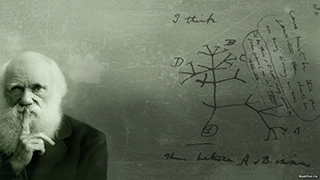
Treating Disease with Fecal Transplantation
Fossils of miniature humans (hobbits) discovered in Indonesia
Paleontology
Dinosaur tail, complete with feathers, found preserved in amber.
Astronomy
Mysterious fast radio burst (FRB) detected in the distant universe.
Big Data & Informatics

Big Data: Buzzword or Big Deal?
Hacking the genome: Identifying anonymized human subjects using publicly available data.